
Roofing for Logistics and 3PL Operators in Missoula, MT
Logistics and 3PL Operators
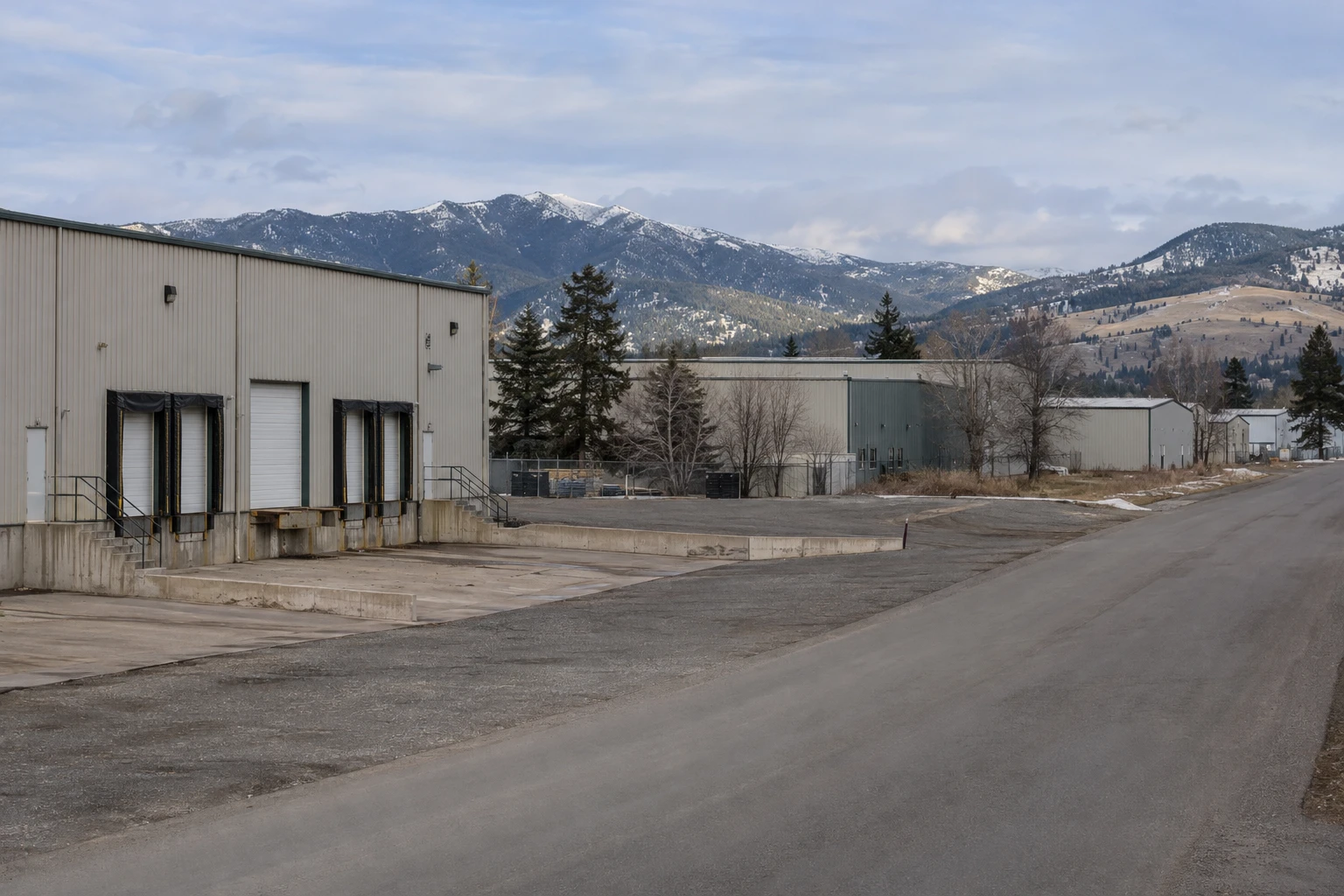
On a distribution roof in Missoula, MT, the dock side goes last. The loading doors are the busiest edge of the building, and the roof edge above them is where staging, hoists and crane picks want to go. If the order is wrong, the crew blocks the trucks, the trucks block the crew and the schedule loses a week of a weather window that is already short. Snow stays on the ground about 120 days a year, so the months for tear-off are limited. We map the dry-in sequence from the quiet end of the building toward the dock, and we put the crane pick in the gaps between inbound loads.
You get the map before material is ordered, with the days the dock lanes are affected.
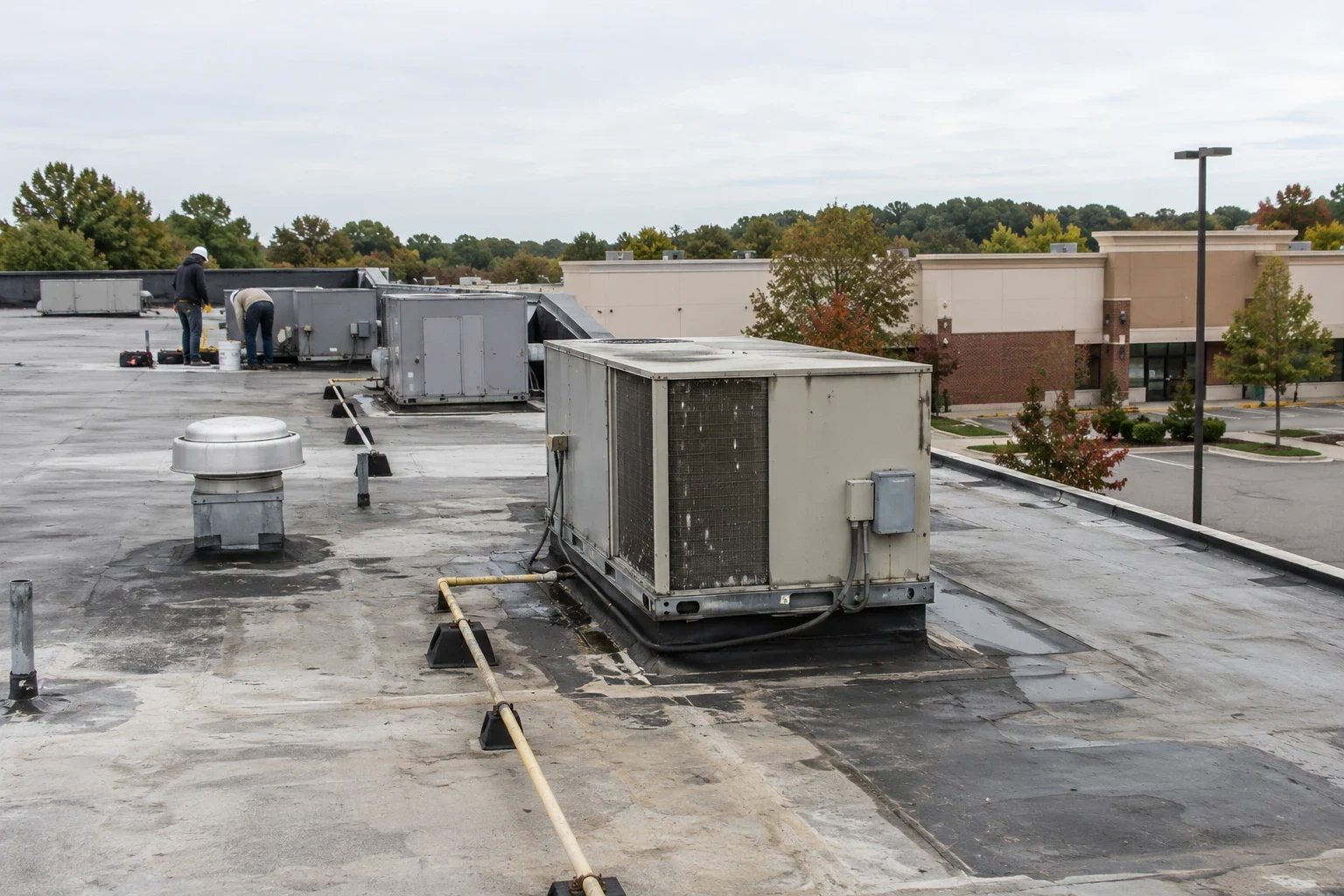
Know where freight meets the roof
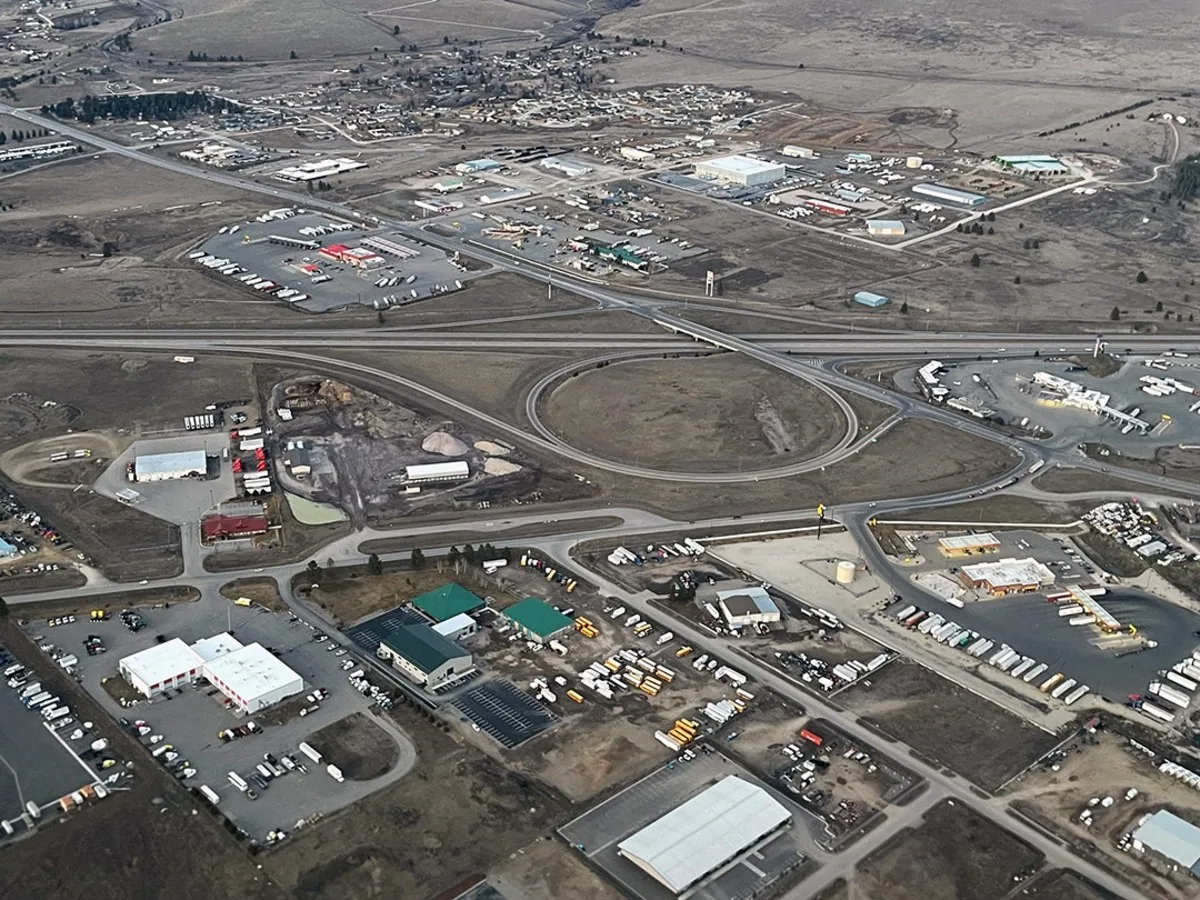
Missoula sits on Interstate 90, with US 93, US 12, Montana 83 and Montana 200 as the county's other major highways. Northern Pacific reached the city in 1883, and BNSF took over Montana Rail Link operations on January 1, 2024. Montana Rail Link was among the largest local employers, with 1,056 workers.
Distribution space is drawn to those routes. About 400 acres of industrial-zoned land south of the airfield at the airport is planned for light manufacturing and industrial use, and the county development park near it has been described as largely filled. Wye, about 8 miles northwest of downtown and immediately south of I-90, is a business park area where US 93 meets the interstate. Our work in the Missoula Development Park and Mullan Road area and in Wye follows the same walk.
Walk the roof from the drains outward
A distribution roof is large and plain, and size works against it. A long membrane field moves as one piece with temperature. The seams carry the strain. Late-summer days swing by more than 30 degrees, and about 45 days a year hold below freezing from morning to night.
We start at the drains and sumps. A drain and scuppers count against the roof area shows whether the building can shed a burst of water. Undersized drainage is a real risk, not a theory, after the 2016 storm that overwhelmed storm drains in central and south Missoula.
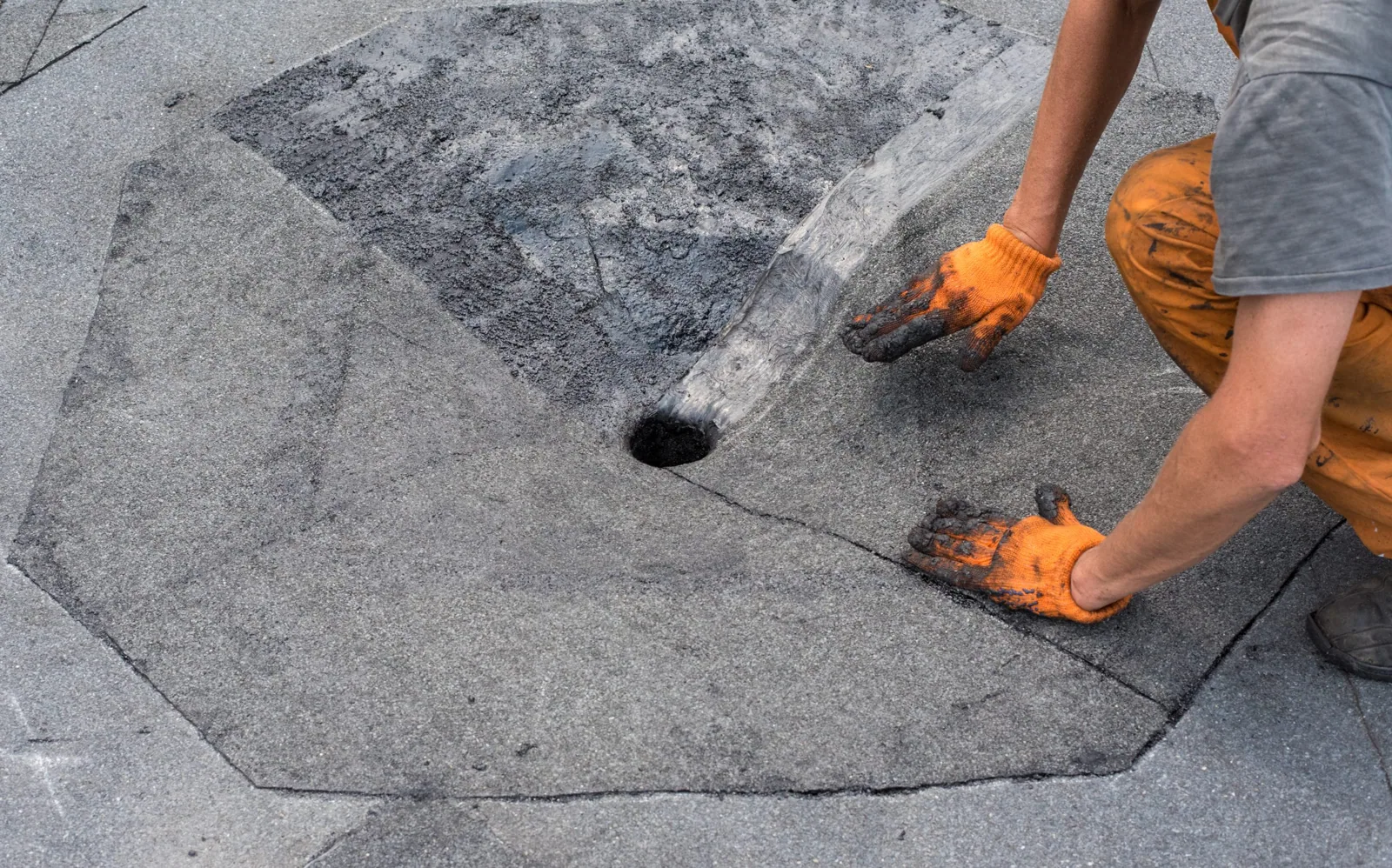
Next come the edges, the dock levelers, the skylight curbs and the vents. Each is a penetration with a seal. Last, we probe the field seams and take cores where the scan flags a damp area.
Fall protection is part of the walk. Open edges at the dock, skylights and roof hatches go on the plan with a note, so anyone who goes up later, from a vendor to a surveyor, knows where the danger is. Roof hatches get a latch check, because a hatch that will not close lets snow and meltwater into the stairwell.
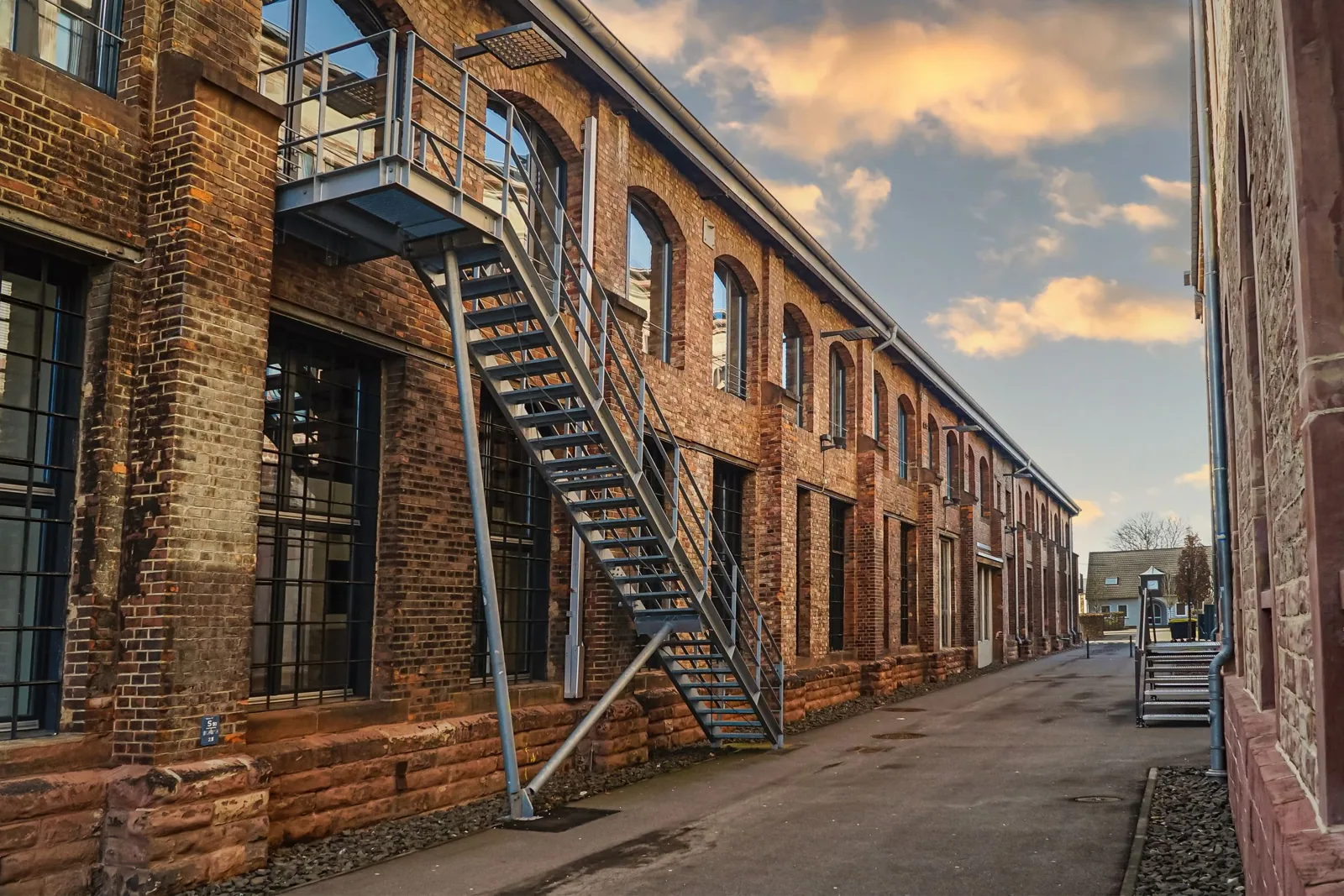
Map drifts and the load path
Snow design begins at 40 psf on the ground, with ASCE 7-16 converting it to roof load. Drifts build against taller walls, rooftop units and any step in the roofline. On a warehouse with a raised office block or a mezzanine wing, the lower roof beside it can carry a heavy drift.
We mark those zones on the plan and look for sag, ponding lines and cracked fasteners along them. If we see distress, we recommend that an engineer review the deck before we recover or add equipment. The 2011 Bonner mill collapse under heavy snow is why this step is never skipped on large low-slope roofs.
Snow slides from lean-to roofs matter at the dock. We note any slope that can drop onto a door, a ramp or a trailer.
Stage the crane pick away from dock doors
Dock doors cannot close. Trucks arrive on a schedule that does not move for a roof. We lay out the staging area and the material hoist on the side of the building that does not interfere with truck turns. Edge protection goes in before tear-off, and drivers get a map of the exclusion zones with the days they apply.
We work in bays, not across the whole roof. Each bay is dried in the same day. That is slower than a full strip, and it keeps the building running and the stock dry. On a large warehouse roof, two small crews at opposite ends can recover some of the time. Crane picks go in the gaps between inbound trucks, and the yard lead gets the pick schedule a day ahead.
The laydown yard stays small. A large one eats trailer parking, and parking is the first thing a dock operator misses.
Weather windows on the dock side are the narrowest. A cold front can arrive in an afternoon and stop adhesive work for a day. Tie-ins are ready at the close of every shift and open bays are covered before the crew leaves; a short list of cold-tolerant tasks, such as flashing prep and drain cleaning, keeps a cold day productive.
Settle who pays before the tear-off
Tenants in a 3PL building often share a roof under separate leases. The lease decides who pays for the membrane, the curbs and the drains, and the dispute starts where a repair ends and a replacement begins. We draw a map of the roof by bay and give each tenant a sheet that shows what we found over their space.
Landlords holding the building through a fund or REIT ownership want the same sheet for their reserve review. A plant that ships through the same corridor, as manufacturers often do, reads the sheet with equipment in mind.
Insulation and cover board come up at replacement. A cover board over new insulation improves resistance to puncture on roofs with regular service traffic, and Montana's 2021 IECC amendments, in effect since June 10, 2022, set the insulation level for a new roof.
Close each bay with a punch list
Every bay closes with a walk, a punch list and photographs, a water test of the drains, a flashing check and a clean roof and yard. The operations lead signs off, and the record goes into the building file with the next review date. Peak shipping weeks and inbound appointments go on the same wall chart as the roof phases, so the yard lead and the roof foreman read one schedule.
Related Roofing Pages
Send the dock layout and the peak-week calendar
Send the building plan with the dock layout, the shipping calendar and the lease roof clause, and we will map the bays, the crane pick and the staging area before any material is ordered.
Call 555-555-5555 or email [email protected].
Questions About Logistics and 3PL Operators
Can a warehouse roof be replaced with inventory inside?
Yes. We cover racking below open sections, work in bays and dry in each bay the same day. Aisle maps tell us what sits under each section, and a catch system below penetrations keeps debris off stock.
What is the main cause of leaks on a dock roof?
Frozen or clogged drains and sumps, then seams and curb seals. Meltwater that cannot leave the roof sits on the membrane and finds the weakest point. We count the drains, test them and mark any that need work.
How do we handle peak shipping weeks?
Tell us the dates. Major work avoids them, and we use those weeks for walks and small repairs. Large phases go into the stretch between the thaw and the first hard freeze.
Does hail matter on a large flat roof?
It can. A 2016 storm brought quarter-size hail to central and south Missoula. After any hail event we walk the roof, press the surface and photograph each bruise.
What should we send before the walk?
A site plan, any roof drawings, warranty papers, the lease roof clause and a list of known leak spots. Mark the dock doors and any areas with sensitive stock.