
Commercial Roofing in Grant Creek, Missoula, MT
Grant Creek
Grant Creek sits on the northwest side of Missoula, MT, north of I-90, with upscale subdivisions, larger lots and a semi-rural feel, and a commercial roof in a setting like that is judged by access and by snow. Long driveways, nearby trees and room around the building change how a crew gets material to the roof and where the snow goes when it leaves. The commercial work here is typically small to mid-size, and the sequence is short: survey, repair or replace, dry in, close out. Driveway and weather window set each step, and both are settled before material is ordered.
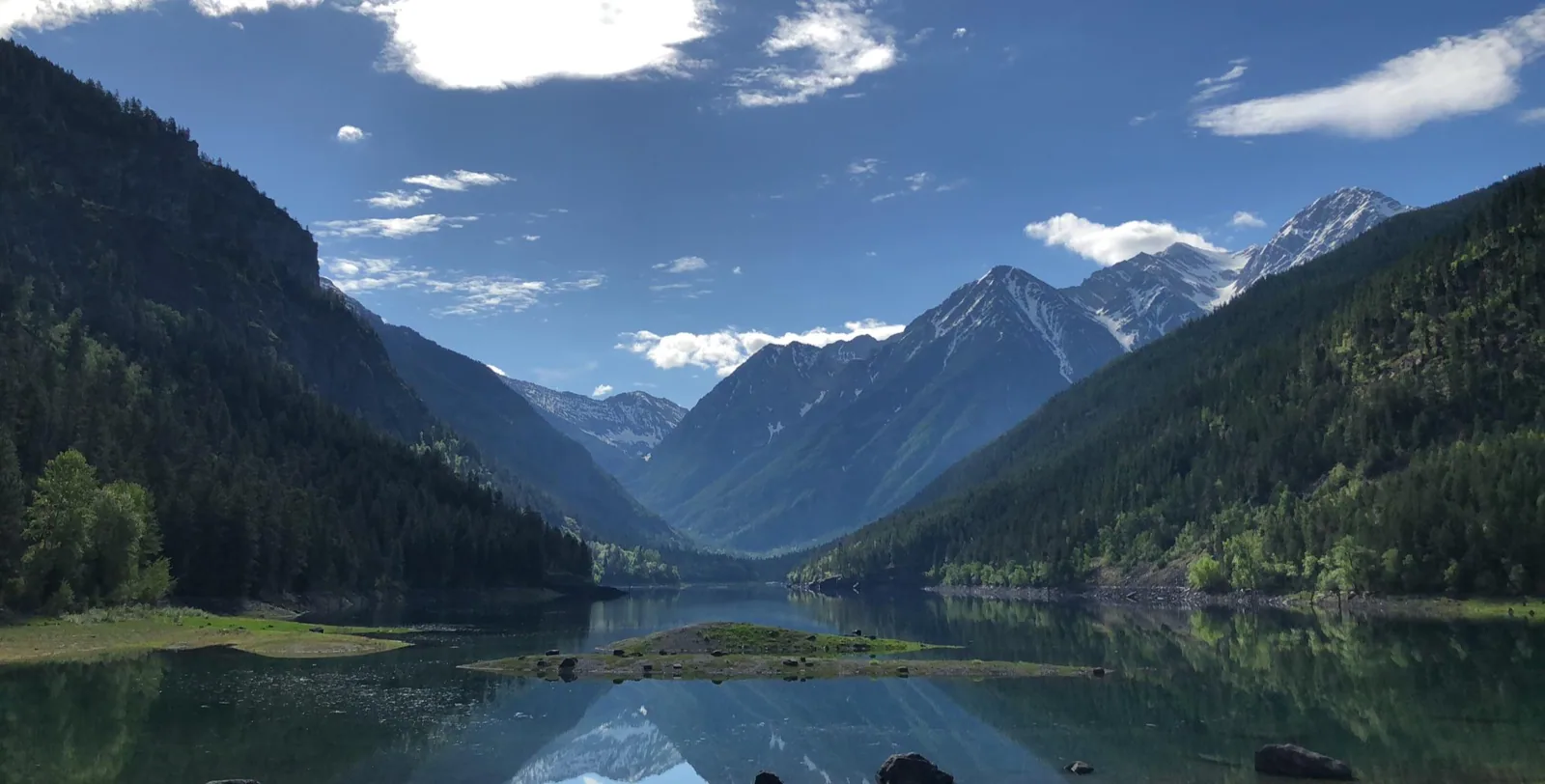
Plan the Crane Pick Around the Driveway
A larger lot can offer more room than a downtown site, yet the road in may be tighter. A delivery truck needs a turning radius, and a crane needs a firm pad with level ground. We walk the route from the main road to the building before the pick is booked, noting overhead lines, gates, culverts and soft shoulders.
In spring thaw, a soft drive can hold a truck on Monday and swallow it on Tuesday. The material hoist and the laydown yard are placed on the firmest ground, and the delivery schedule moves if the road softens. The plan shows the route and an alternative.
Power and utility lines cross many rural drives. A crane boom that touches a line is a fatal mistake, so overhead clearance is checked and flagged before the truck arrives. If a line crosses the pick path, the utility is called, and the schedule waits for their window. The cost of the wait is shown in the bid.
Manage Snow Where It Falls and Where It Slides
Design ground snow load is 40 psf against roughly 39.5 inches of annual snow, which lies down for months. Snowbowl Ski Area sits just above Grant Creek, a reminder that the hills nearby are snow country. A roof here has to carry its load and shed it safely.
Sloped roofs shed snow in sheets, so we check where it lands. Over an entrance, a walk or a parked car, the sheet is a hazard, and snow guards or a changed eave detail manage it. On flat roofs, drifts form behind parapets and units, and we mark the drift zones on the plan. The Bonner mill roof that gave way under heavy snow in 2011 shows what a long, unwatched load can do, so a building with a long span gets a deflection check after a big storm.
Ice at the eaves is the other winter problem. Meltwater that refreezes at the edge backs up under the roofing and enters at the first lap. We check the eave detail, add underlayment or heat cable where ice repeatedly forms and clear the downspout path so the water has somewhere to go.
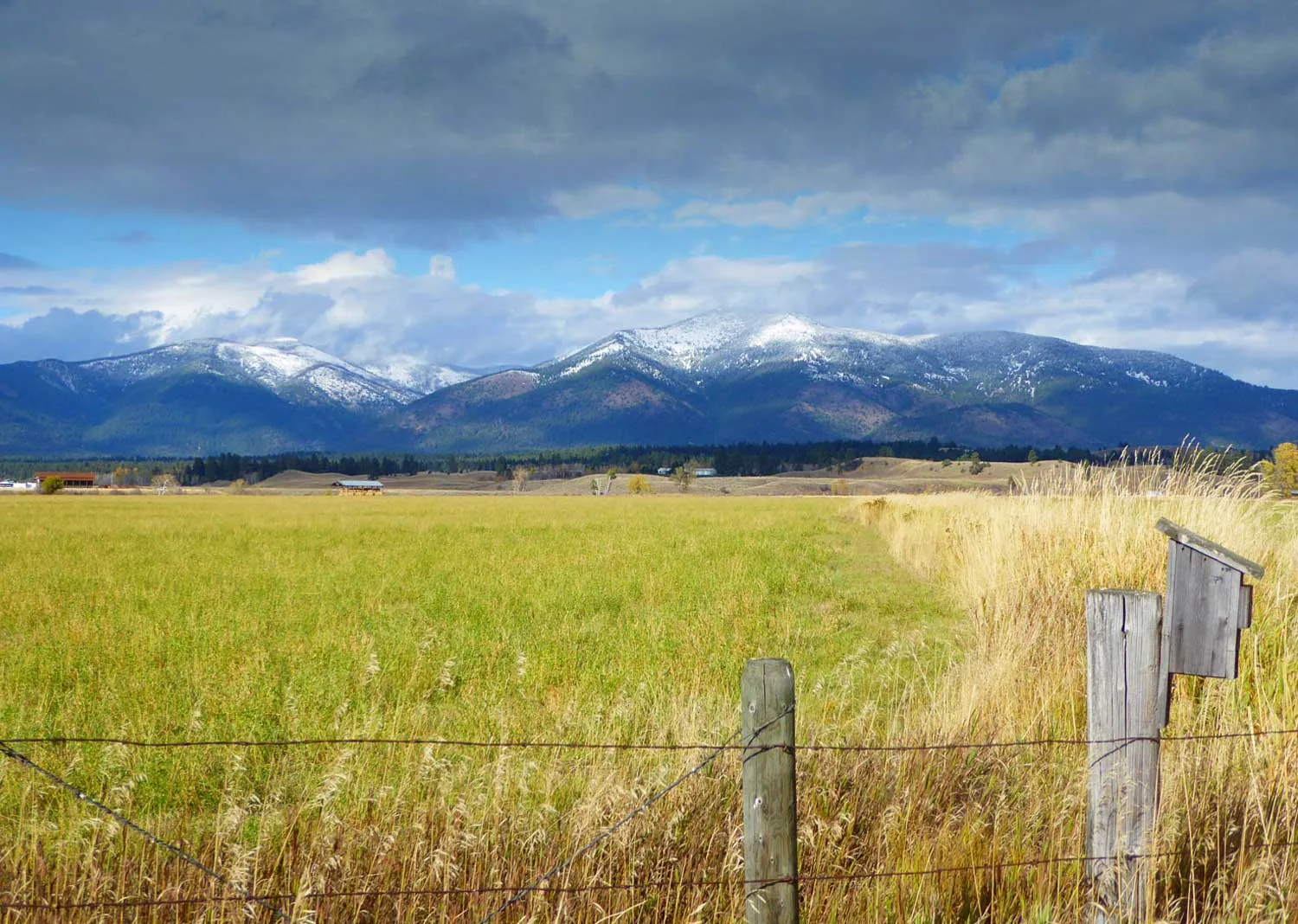
Check the Trees and the Debris They Drop
Where trees stand near a building, they drop needles, leaves and branches on the roof, and the debris collects in valleys, drains and gutters. A gutter full of needles pulls away from the fascia under snow load, and a clogged drain holds water through the thaw.
We clear the debris on each visit and trim back what touches the roof where the owner allows. A tree limb that rubs the membrane will wear a hole in a season. The same goes for bird nests and wasp nests under edge metal, which hold moisture and block drains. We photograph any contact and note it on the list. A maintenance program puts the clearing on the autumn and spring calendar.
Match the Wind Details to an Open Site
A building on a larger lot has fewer neighbors to block the wind, and the design wind speed in Missoula is 102 mph for a Risk Category II building. The perimeter and corners of a roof take the highest uplift. Edge metal, coping and the first rows of fasteners are the parts that fail first when a gust arrives.
We check each run of edge metal and coping by hand and pull a sample of fasteners. Loose sections are re-fastened into sound material, and the count goes on the punch list. A lifted edge is cheaper to fix than a peeled membrane.
Hail is the other open-site risk. Central and south Missoula took a 2016 hailstorm of quarter-size stones, and a building anywhere in the city can be hit by a similar cell. After a storm, we walk the roof, press the surface for bruises and photograph dents on vents and units with a scale and a date.
Choose a System for a Small Roof
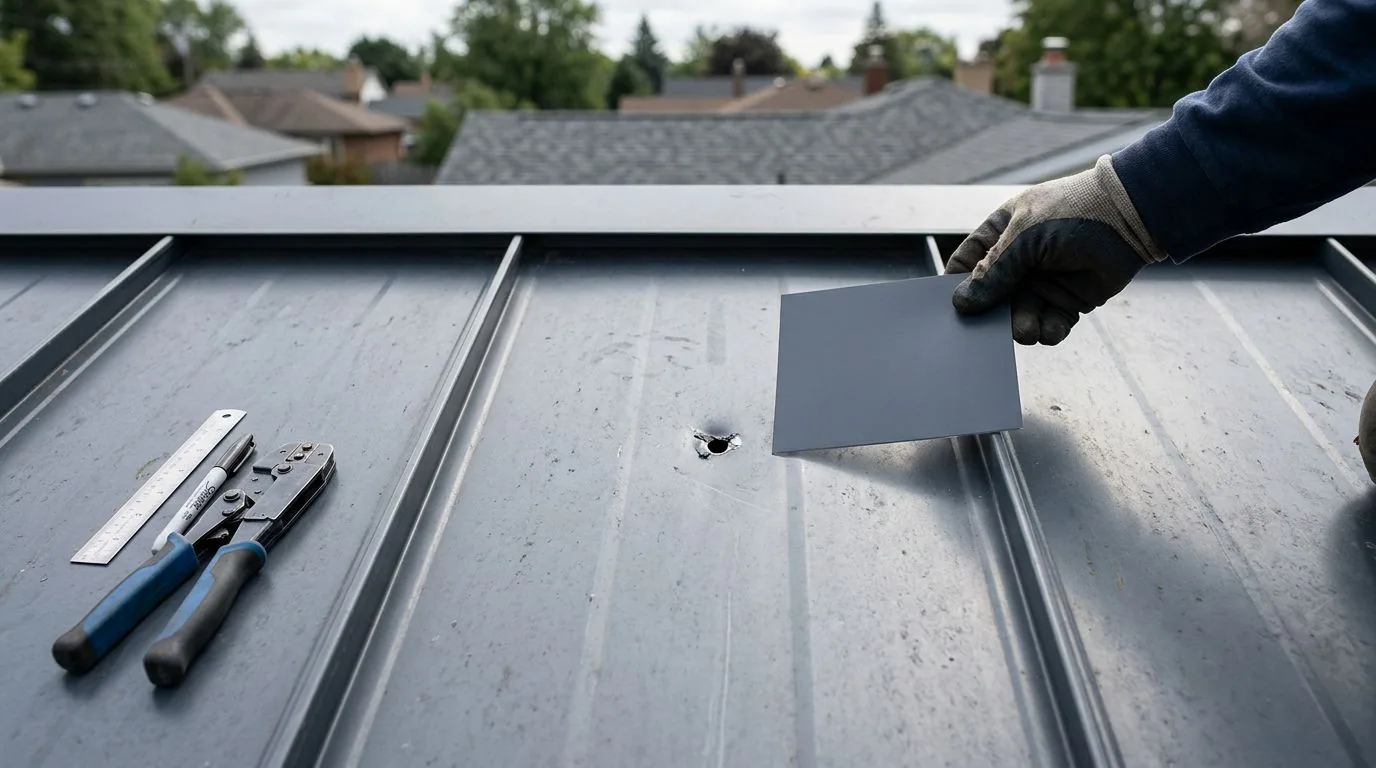
Small roofs have different economics. A standing seam metal roof sheds snow cleanly and lasts, and it suits a sloped building. A TPO roof fits a low-slope one at a lower first cost. The choice depends on slope, the structure and the owner's tolerance for upkeep.
We price both when the roof allows either, and we show the maintenance line beside the first cost. Insulation thickness comes from the amended 2021 IECC, and the building department confirms the path. A replacement may need added insulation, and the price shows that line apart from the membrane.
Close Out and Stay Within Reach
At closeout, the owner receives a punch list with photographs, the layer schedule, the product data and the warranty paperwork. For a building outside the busier corridors, a quick response matters, and we set the call-out plan in the file: who to call, what to photograph, and what the crew will do first.
Wye, about 8 miles northwest of downtown and the nearest I-90 and US 93 junction community, is the reference point for the route, and Wye work follows the same calendar. Owners near the University District and the northern edge of the city can follow the same calendar. Gates and cattle guards, where they exist, are listed on the route sheet with their widths, since a crane carrier that fits the road may not fit the gate. Where a gate is too narrow, the plan shifts to a smaller truck and more trips instead of improvising on the day.
Related Roofing Pages
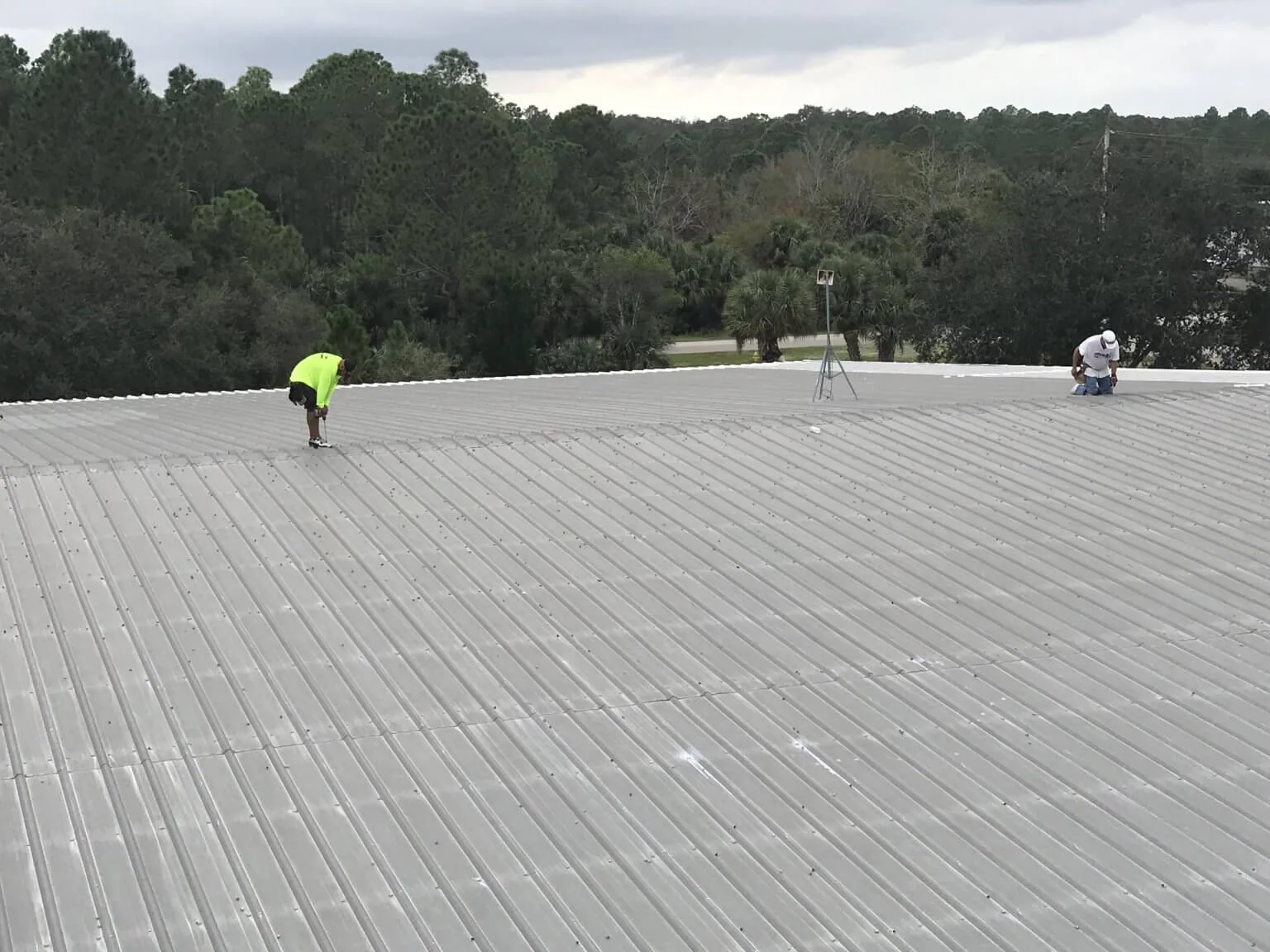
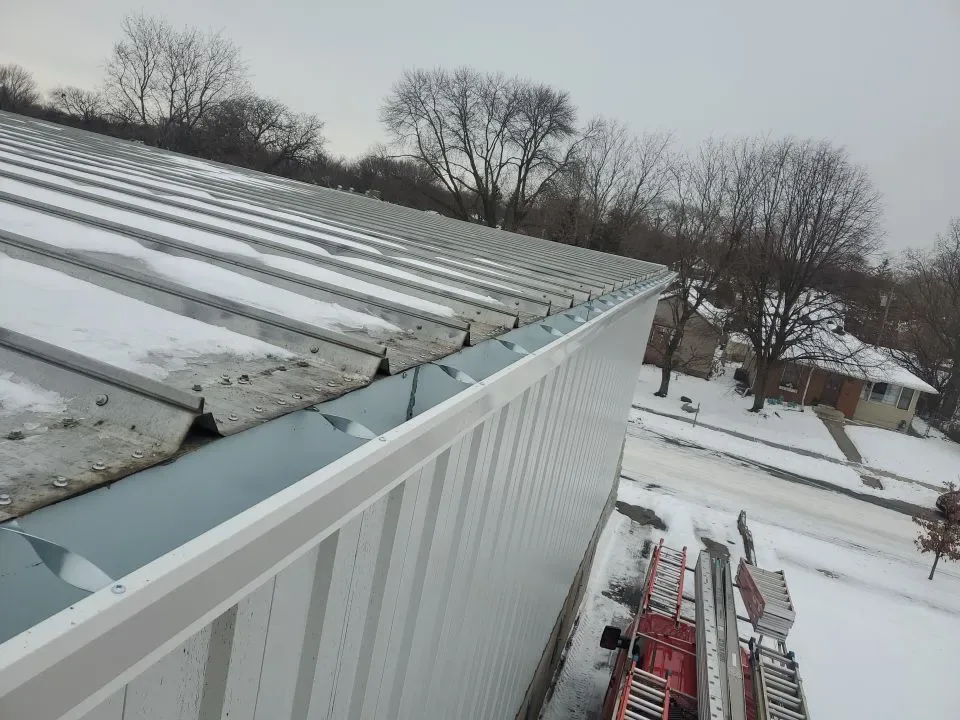
Send the Site Plan and the Driveway Details
Send the site plan, the roof type and any photographs of the driveway, and we will walk the route and the roof together. The first sheet shows the pick, the staging area and the work window.
Call 555-555-5555 or email [email protected].
Questions About Grant Creek
Can a crane reach a building with a long driveway?
Usually, after a route survey. We check width, turning radius, overhead lines and ground strength, and we book the pick when the drive is firm. If the route will not take a crane, a material hoist or a smaller truck can do the work in more trips.
How do I keep snow from sliding onto an entrance?
Add snow guards, change the eave detail or move the entrance protection. The right choice follows the roof slope and where the snow lands, and we mark it on the plan. Guards fixed to a standing seam roof use clamps that grip the seam, so the roof stays free of new holes.
Do trees shorten roof life?
Debris holds moisture and clogs drains, and limbs can wear the surface. Clearing twice a year and trimming back contact limits the damage.
Is metal or single-ply better for a small commercial roof?
Metal suits sloped roofs and sheds snow well. Single-ply suits low-slope roofs and costs less at first. We price both and show the upkeep.
How fast can you reach a leak outside town?
Emergency calls are answered at any hour, and the crew brings tarps and patch material. Travel time depends on the road and the weather, and a snowy night adds to it. The call-out plan in the file names the first steps so the owner can protect contents while the crew is on the way.