
Grocery Store Roofing in Missoula, MT
Grocery Store Roofing
A grocery roof fails around its refrigeration lines, and the repair has to be sequenced so the cold chain is never interrupted. Condenser units, line sets, condensate drains and exhaust fans all pass through the roof or sit on it, and each is a place where a leak can start. If the roofing crew disconnects a line before the store's refrigeration contractor is ready, the cost is not water on the floor but product in the dumpster. In Missoula, MT, we plan grocery roof work by equipment first and membrane second.
The roof is also exposed to a wide temperature range, with daily swings averaging more than 30 F from late June through late September and a record high of 107 F on June 30, 2021. Those swings work the seams and the flashings around every penetration. A grocery roof has more penetrations than most, so it has more places for the swing to do its work. The map of penetrations is the document everything else hangs on.
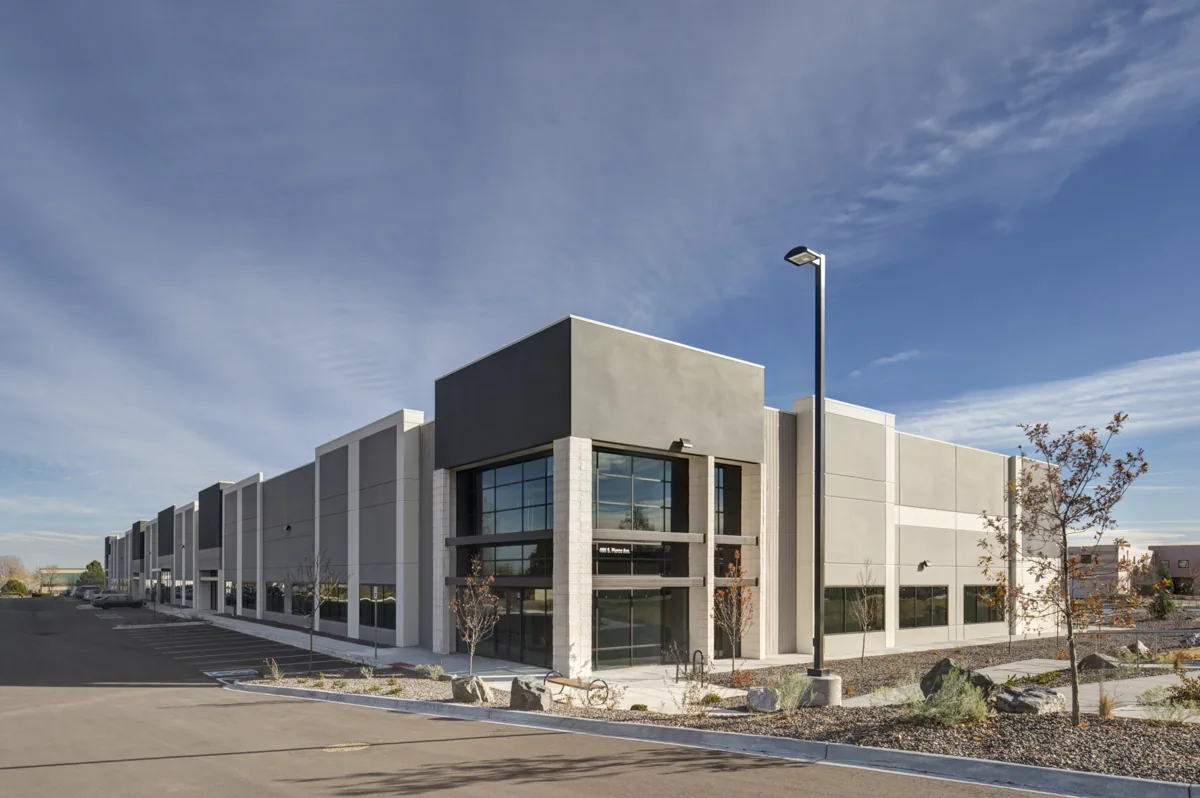
Trace every line through the roof
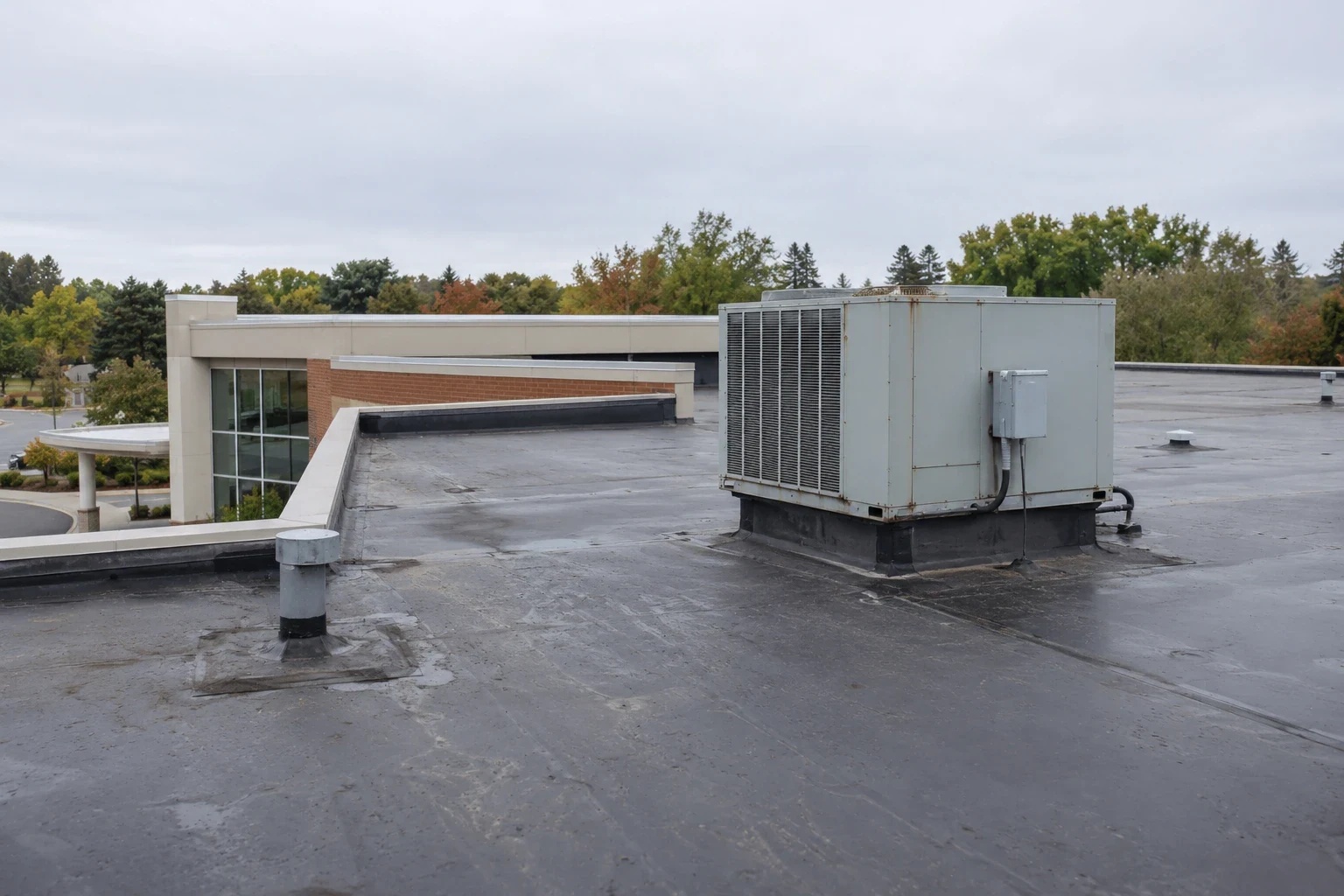
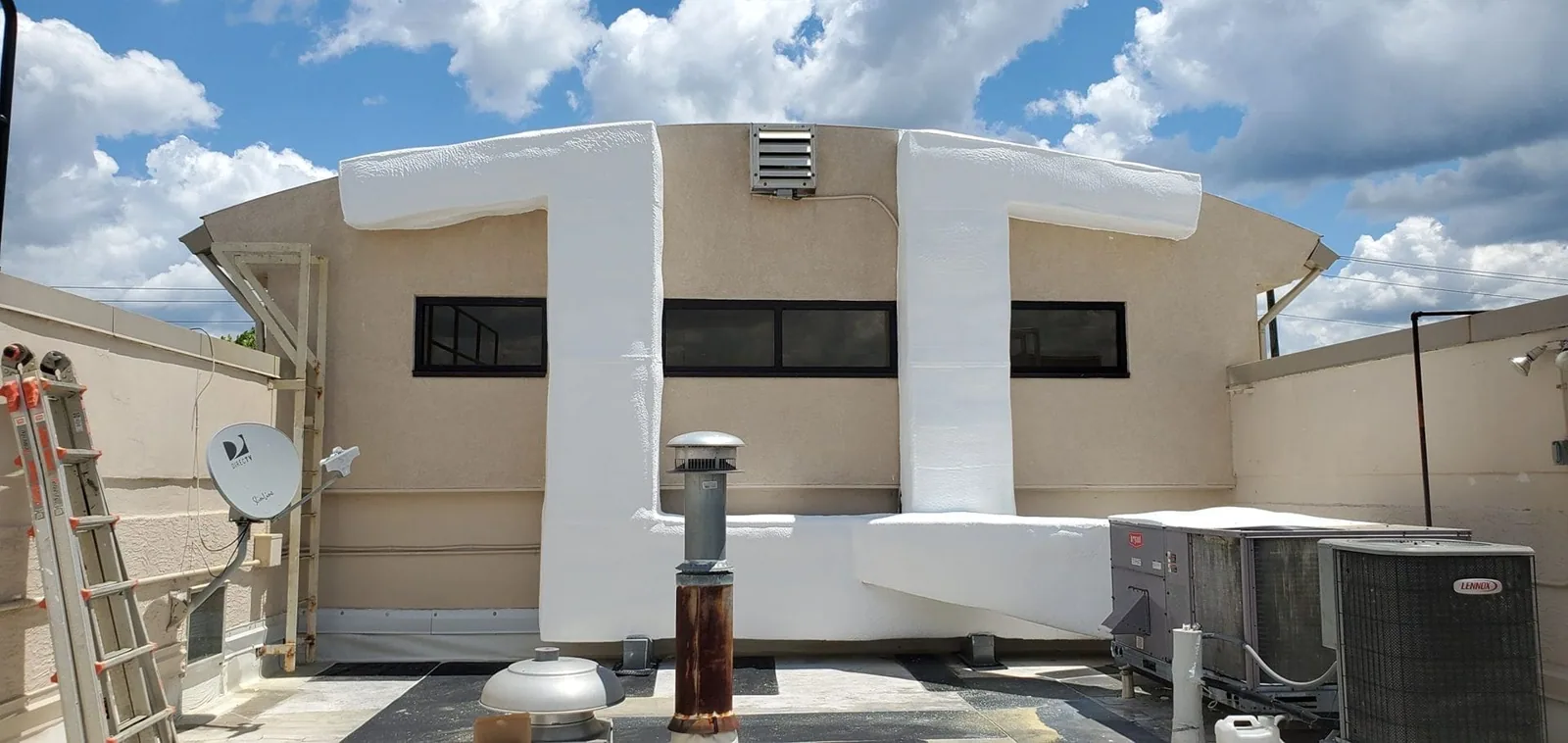
We begin by mapping every penetration. Refrigerant lines, condensate drains, electrical conduits and exhaust ducts each get a number on the roof plan. For each one we note the flashing type, the condition of the sealant and the support that holds it.
Condensate lines need special attention. A line that empties onto the roof, and not into a drain, can look like a failed membrane. A line that has frozen and split can leak into the building. We follow each line from the equipment to its end. The walk tells us whether the leak the store sees is a roof problem, a line problem or both, and it saves a repair that would not have fixed the cause. We also look for hot spots near condensers, where discharged air warms the sheet, and for ice buildup near exhaust in winter. Both change how the membrane ages in that zone, and the report marks them so the next walk checks those spots first.
Sequence around the cold chain
The sequence starts with a meeting between the roofing crew and the store's refrigeration contractor. We agree on which units can be shut down, for how long and in what order. Condenser stands are raised or moved only when the contractor is on site, and lines are reconnected before the crew leaves for the day.
The rest of the roof follows a dry-in sequence. We open a section, set the new flashings and membrane around the equipment and close the section before nightfall. A weather hold is never an excuse to leave a line exposed. The schedule names the hours for each shutdown and the person responsible for each reconnection, so the store manager sees the plan before the first day. The refrigeration contractor gets a copy of the same schedule. If product has to move to a backup unit, the plan says when. A grocery manager reading it can decide whether to schedule the work in a slow week and can tell the staff in advance.
Keep customers and deliveries moving
A grocery store is busy early and late. Delivery trucks arrive at dawn, and shoppers fill the lot after work. The staging area and the material hoist have to sit away from the loading dock and the main entrance. The crane pick happens before the lot fills.
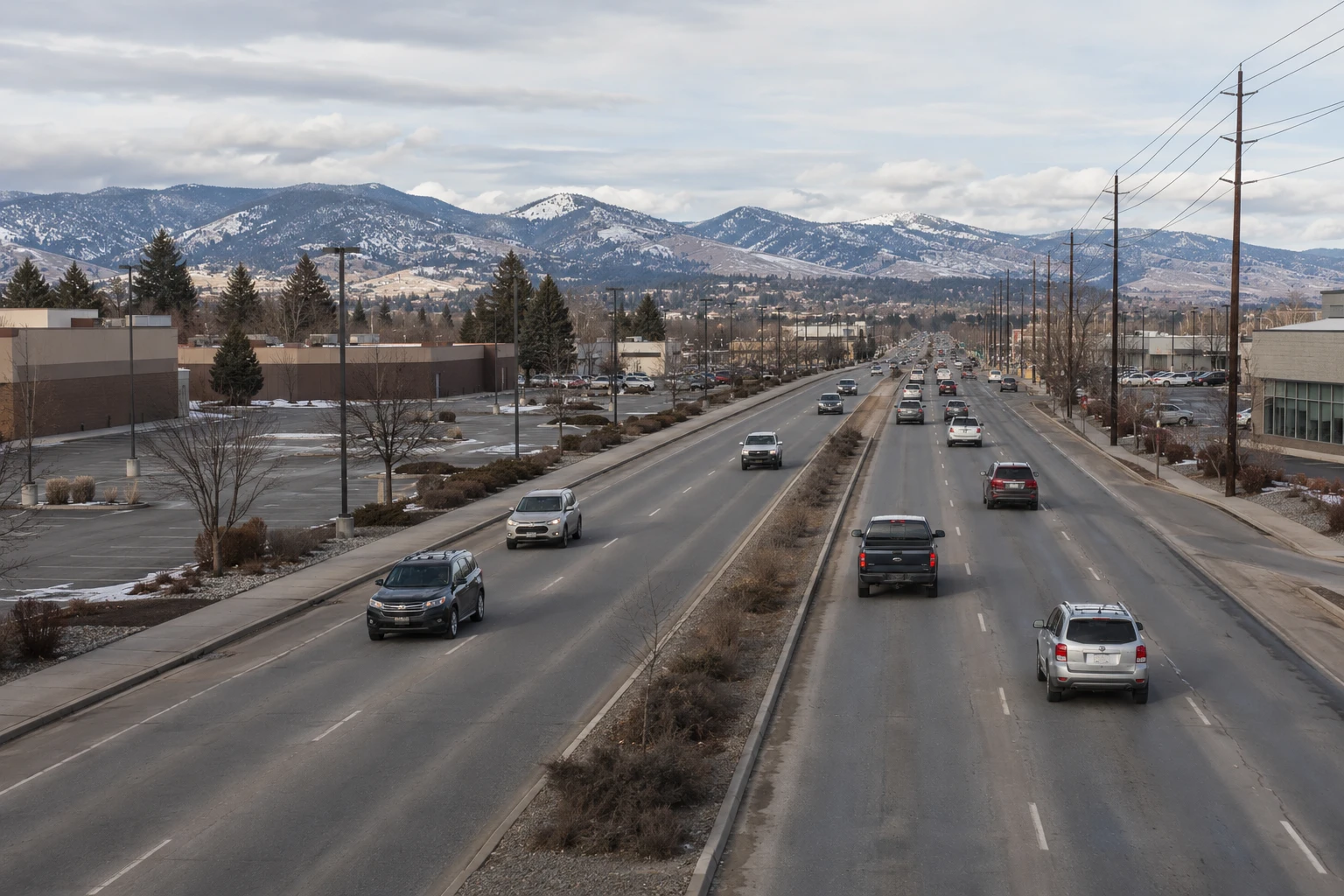
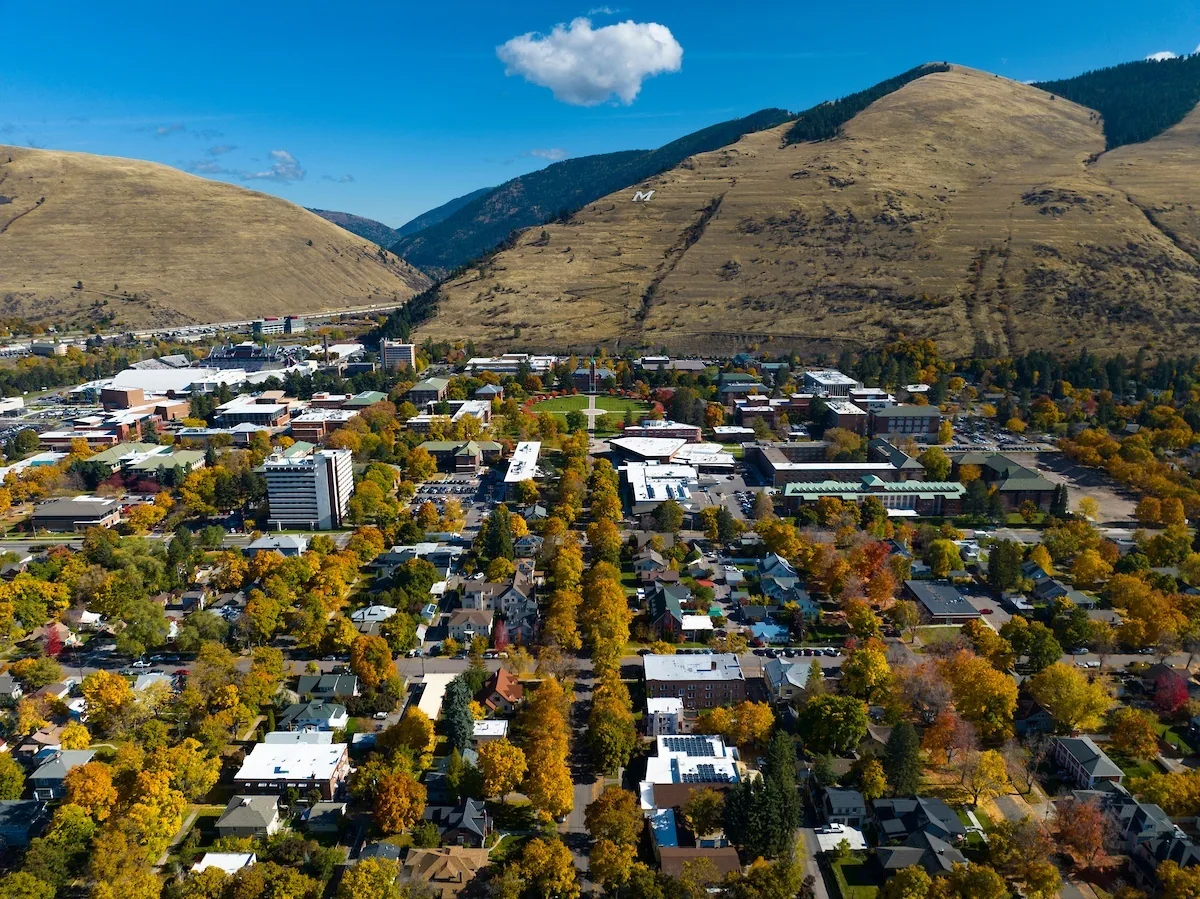
We coordinate with the store on delivery times and avoid blocking the dock. Where the work is above a sales floor, we install interior protection first. The crew's hours, the noise limits and the safety barricades are written into the scope, and the manager gets a note at the end of each day. A store on North Reserve Street and one in a quieter neighborhood may need different staging for the same roof job. A store near the University District gets its own staging review as well. We ask about all of it, and the answers go into the scope as lines with a cost.
Plan for snow, thaw and heat
About 120 days of snow cover and about 39.5 inches of snowfall define a Missoula winter. The ground load used for design is 40 psf. Freezing holds all day on about 45 days, and about 24 days reach 90 F. A grocery roof carries equipment weight on top of snow weight, so the deck and the supports matter.
In winter, thaw cycles drive water into every gap around a penetration. In summer, heat softens sealant and expands the membrane. We check the sealant, the boots and the stands in fall, before freeze, and again in late spring. Exhaust fans and vents get a look for ice buildup around their housings. A flashing failure found in October costs a fraction of one found after a January thaw. Ice also forms at the edge, where gutters and downspouts meet the sidewalk, and a slip hazard at a grocery entrance is a liability. We check outlets and heat trace before the first hard freeze and clear what needs clearing.
Select the membrane for the exposure
Grocery roofs often see grease and oils from kitchen exhaust, bakery vents and deli equipment. A PVC sheet resists many of those contaminants, while TPO offers a reflective surface at lower cost where no exhaust reaches the roof. We compare the two for each store, with installed cost, expected service and repair path side by side.
Where the layers are sound a recover may work; saturated insulation calls for full replacement, and core cuts show which. The big-box retail approach applies to larger formats, and a store with a food-service counter shares many details with a restaurant roof. A store that bakes on site or fries chicken adds exhaust and grease to the roof, and the membrane choice should reflect it. A store with only packaged goods and a produce section may do well with a cheaper sheet. The walk tells us which case applies.
Close out with the punch list and a test
At closeout we test the drains with water, check every flashing and walk the roof with the store's maintenance lead. The photographs go into the file, with the system, the attachment and the next review date. The refrigeration contractor signs off on the lines, and the store has a clean record of the work. The file also notes the next review date and the open items, with a cost range for each. A manager who changes jobs hands the next one a roof that has a history.
Related Roofing Pages
Send the equipment list and the roof plan
Send the roof plan, the equipment list and the delivery schedule, and we will map the shutdown windows and the staging area before any material is ordered.
Call 555-555-5555 or email [email protected].
Questions About Grocery Store Roofing
How do you protect refrigerated product during roof work?
We schedule shutdowns with the store's refrigeration contractor, keep each interruption short and reconnect lines before the crew leaves. The plan names who is responsible for each step.
Can a condensate line cause a roof leak?
Yes. A line that empties onto the roof or splits in freezing weather can look like a failed membrane. We trace each line before repairing the sheet.
What membrane suits a grocery roof?
PVC resists grease and oils, so it suits roofs with kitchen or bakery exhaust. TPO may do the same job for less where no exhaust reaches the roof.
Can the store stay open during the project?
Yes. We stage away from the dock and entrance, protect the interior below the work and dry in each section daily.
What does the store manager provide first?
The roof plan, a list of equipment, who the refrigeration contractor is and the delivery schedule. We then map the shutdown windows and the staging area.