
Soprema Roofing Systems in Missoula, MT
Soprema Roofing Systems
The heat source decides what can be built on an occupied roof, and in Missoula, MT the choice between flame, hot asphalt and cold adhesive is a scheduling decision as much as a technical one. Soprema makes modified bitumen membranes, liquid-applied waterproofing such as Alsan, insulation and related accessories. We install, repair and maintain assemblies of those types, and we plan the application method for each building before material is ordered, since the method sets the fire watch, the odor, the cure time and the days the tenant will notice.
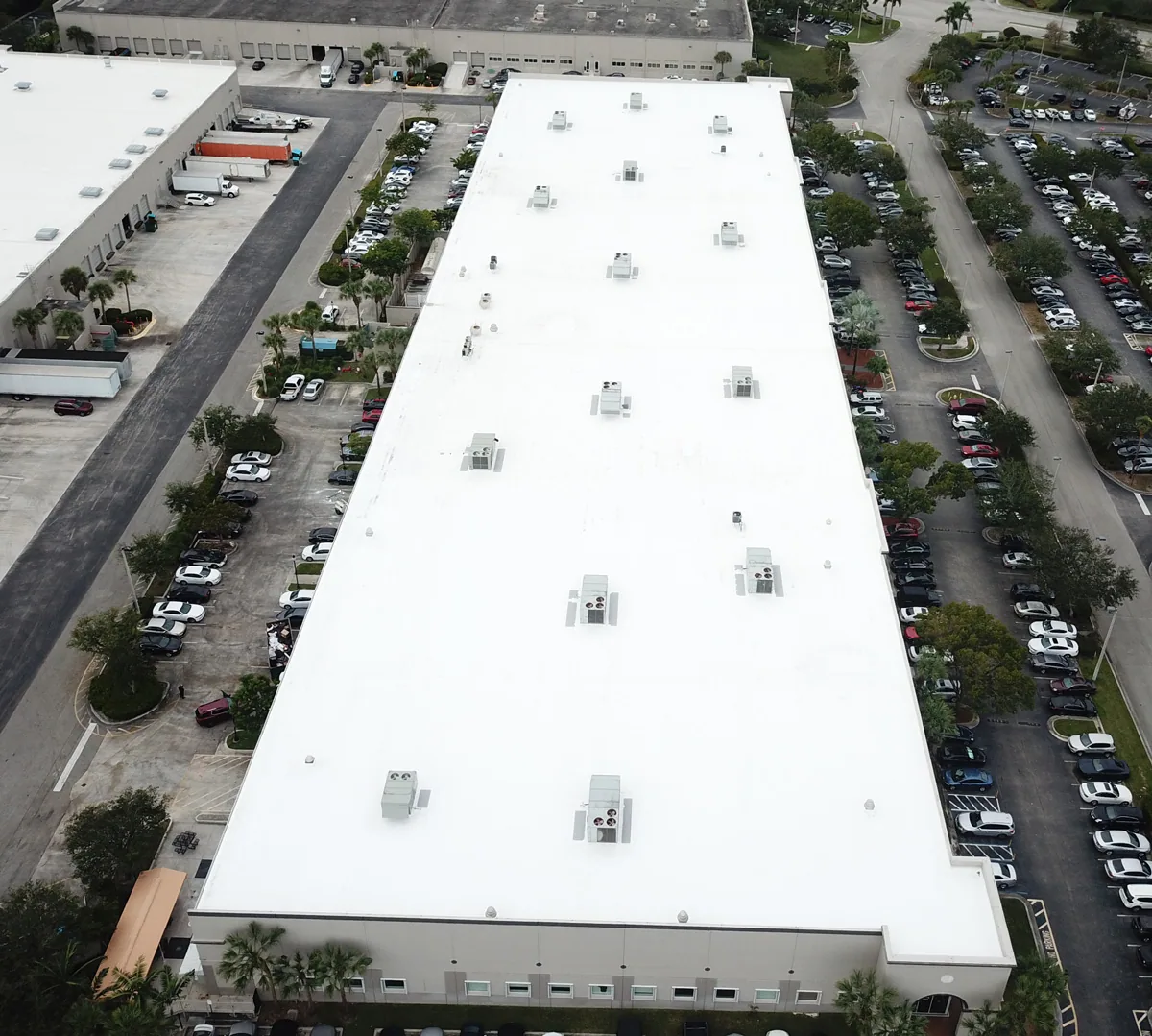
Pick the Application Method for the Building
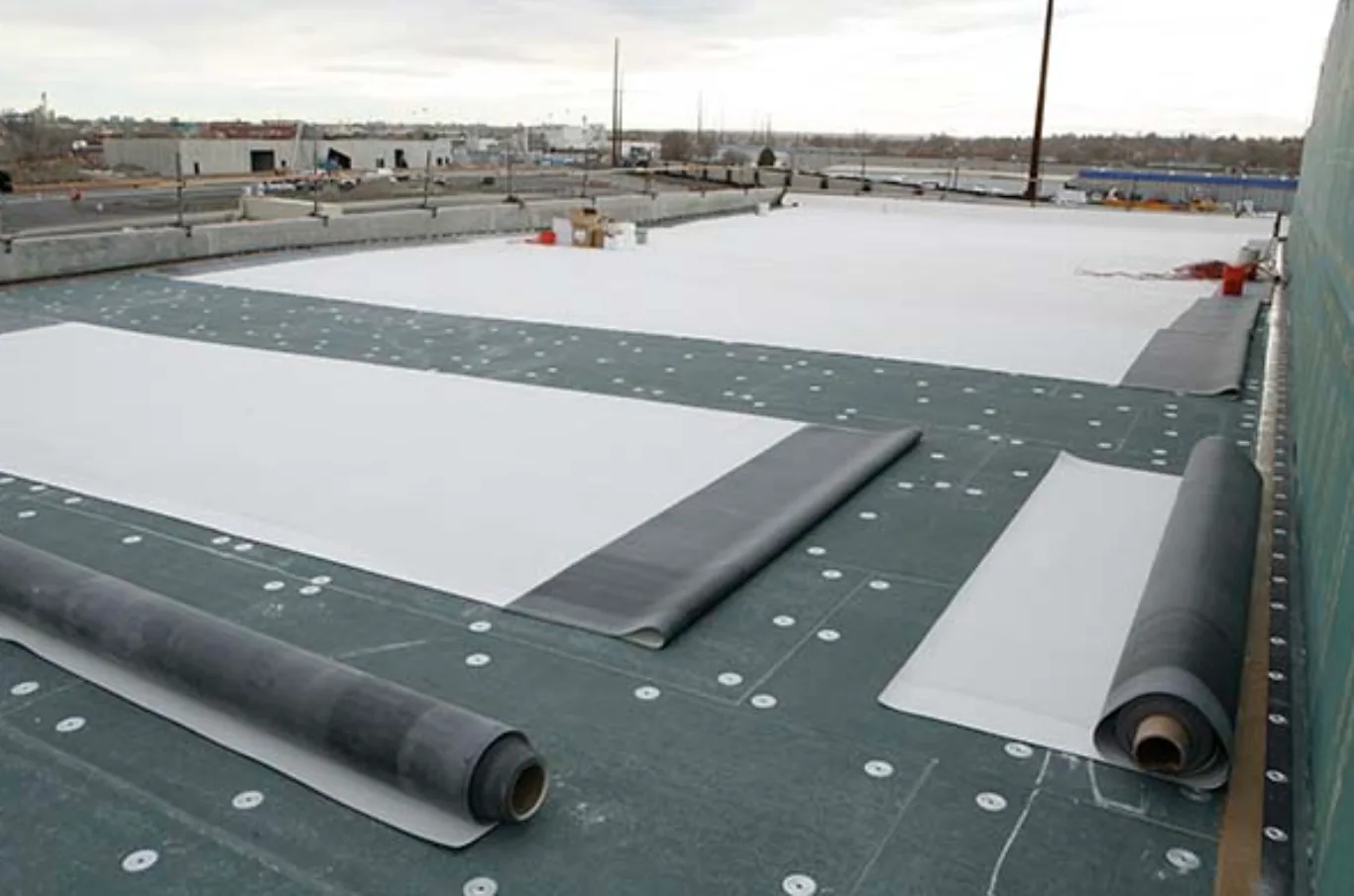
Modified bitumen sheets can be heat-welded with a torch, set in hot asphalt, laid in cold adhesive or applied self-adhered. Torch work is fast and gives a strong lap, but it puts an open flame on the roof and needs a fire watch. Hot asphalt brings fumes. Cold-applied and self-adhered sheets avoid flame and most odor, at some cost in speed and in temperature limits.
For a hospital, a hotel or a building with wood framing, we lean toward cold-applied or self-adhered methods. For a plain industrial roof with no ignition concern, a torch may be acceptable. The written plan names the method, the fire watch and the post-work check for each roof, and the facilities team approves it before work begins.
Fire watch deserves a specific line. When a torch is allowed, a trained watch stays on the roof during the work and for a set time after the last flame, with extinguishers staged and the roof walked for hot spots. The log records start and end times, who watched and what was found. Insurers and owners often ask for it, and a log kept the same day is easy to produce. When a cold method is used, the plan says so and skips the watch.
Use Liquid-Applied Waterproofing Where Sheets Cannot Go
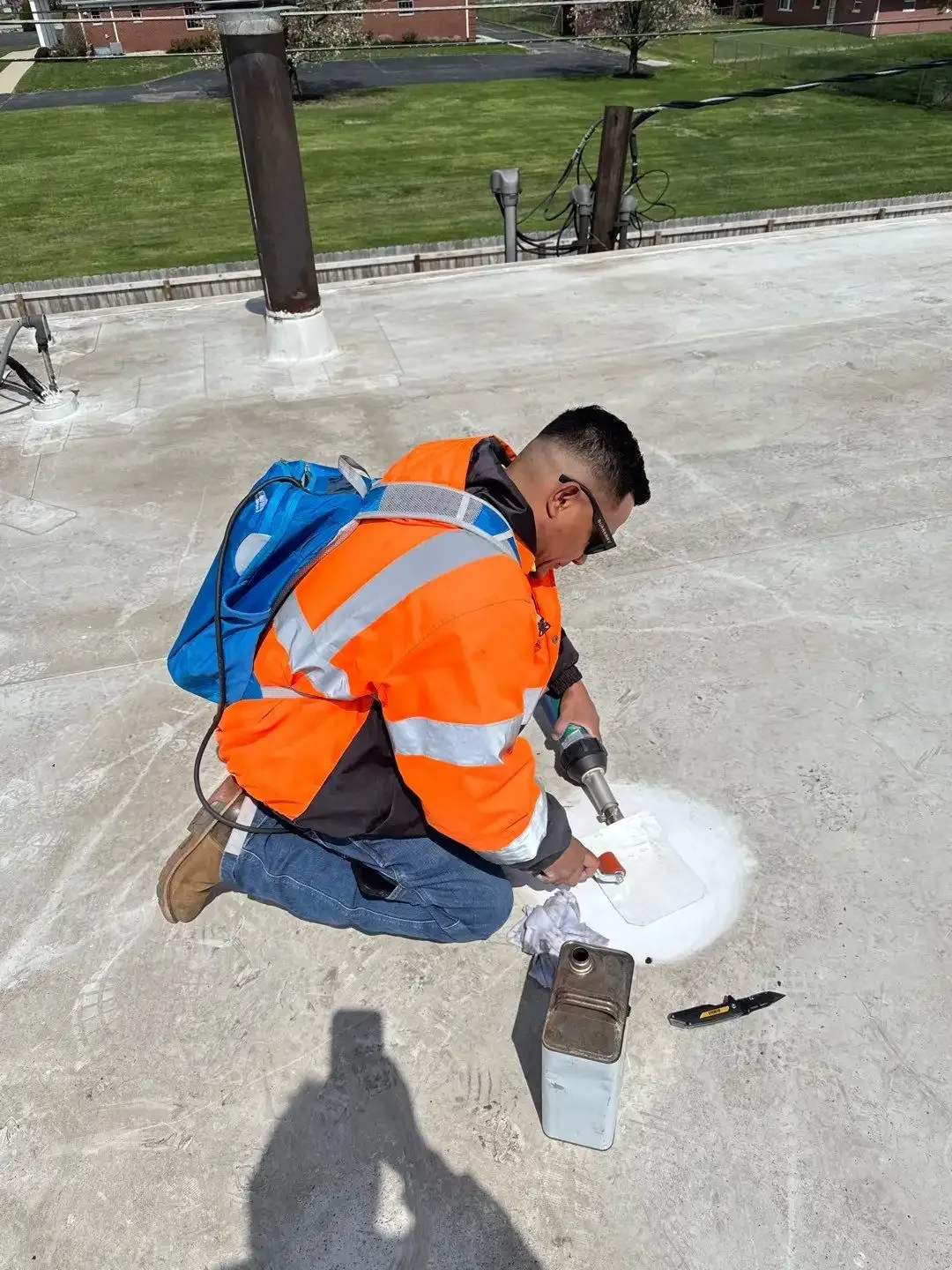
A liquid-applied resin is brushed or rolled over details that sheets handle poorly: tight penetrations, irregular curbs, dense pipe clusters and complex terminations. The resin cures into a continuous layer, often reinforced with fabric. Its limits are temperature and moisture at application, so it is scheduled in the warm months and on dry surfaces.
We record the product, the location, the thickness where measured and the cure date for each liquid-applied detail. A later repair has to be compatible with it, and a file that names the resin saves a mistaken choice. The resin is also tested for adhesion on a small patch before the full detail is coated, and we pull the patch after cure and photograph the bond. Liquid-applied flashing is a common repair on older bitumen roofs where a metal curb has outlived its sealant.
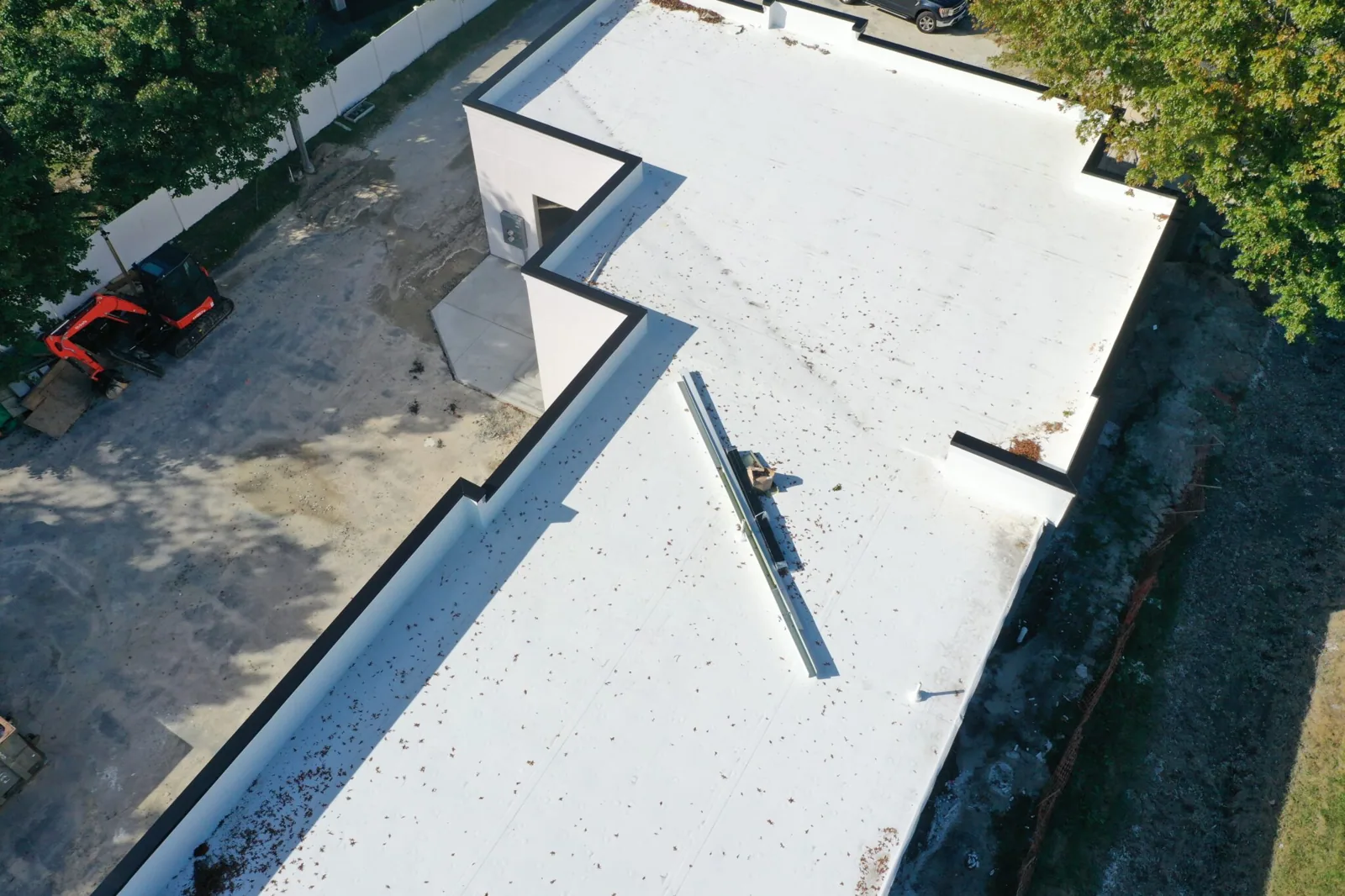
Plan Around Cold Brittleness and Thaw Cycles
Bitumen stiffens in the cold. Missoula sees about 45 days a year that never rise above freezing, and snow lies on the ground about 120 days a year. A cold cap sheet can crack where it bends at a parapet, and a lap that was pressed in warm weather can open in a deep freeze. Polymer-modified sheets handle cold better than plain asphalt, and the polymer type matters.
We install in the warmer part of the year, store rolls warm and keep adhesives above their minimum temperature. After the final spring thaw, we probe laps and flashing corners. Granule loss at drain sumps and edges is photographed, because bare asphalt ages quickly and a coating may be needed. A modified bitumen roof that is watched this way lasts longer than one that is not.
Drains and sumps get the same discipline. A blocked sump turns one thaw into a pond, and bitumen softens under standing water in summer. Each sump is cleared before the first freeze, photographed clear and measured against the nearest ponding line. Where water stays for days, the scope adds tapered insulation or a drain as a separate line.
Where These Methods Matter in Missoula
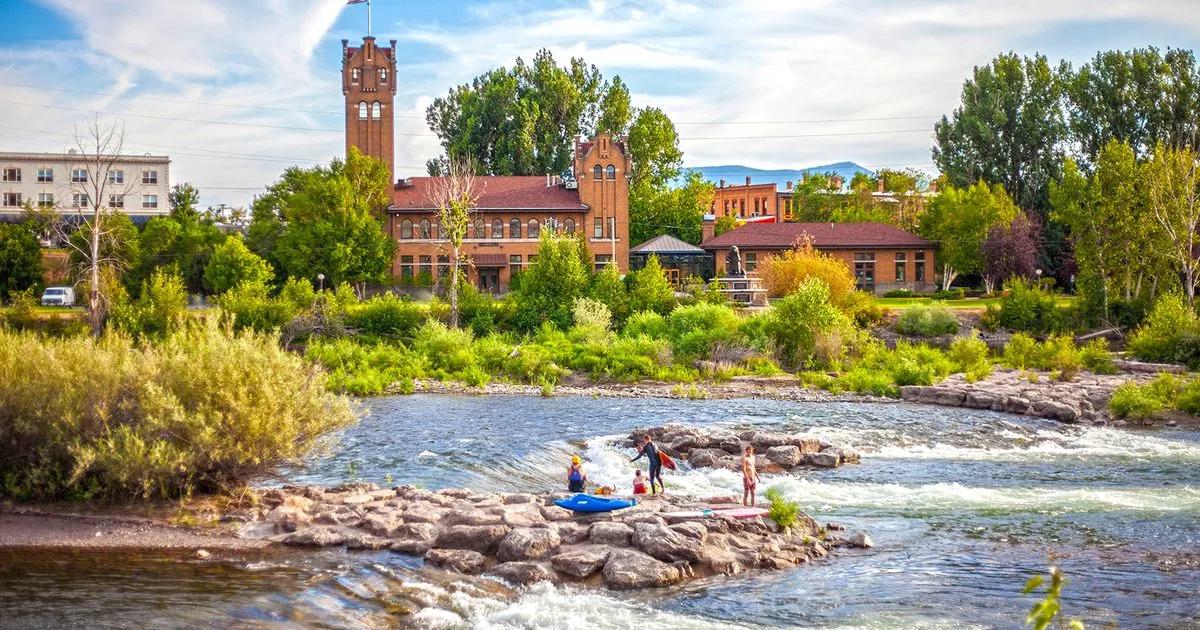
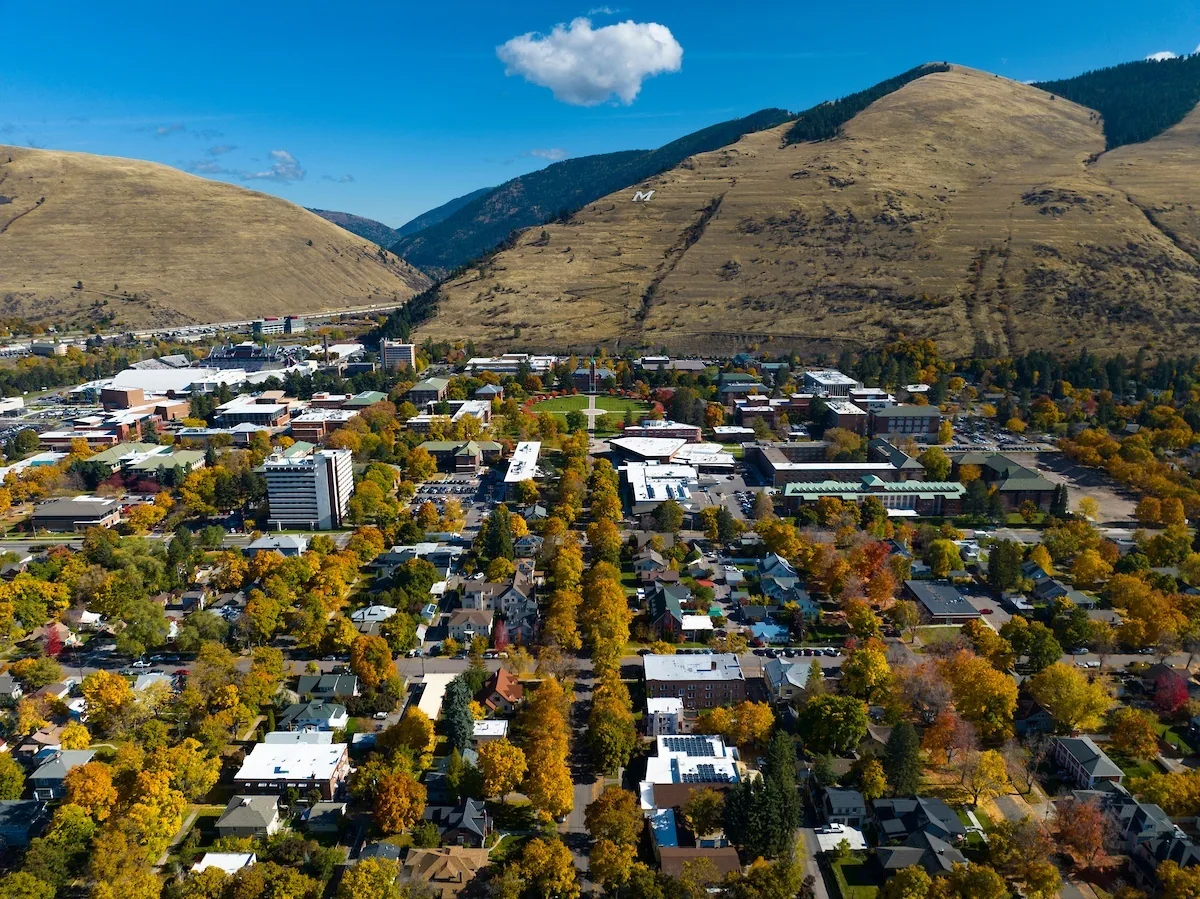
Occupied buildings with sensitive neighbors are the clearest case. St. Patrick Hospital and Community Medical Center are among Missoula's largest employers, and hospital roofs bring intake protection and infection control into the plan. The Old Sawmill District, a mixed-use redevelopment on a former mill site near downtown, adds new residential and commercial roofs close together, where flame and fumes can affect neighbors. University buildings, with nine residence halls among 64, carry students under the work in term.
Each setting gets a written plan, and the plan lists the neighbors who must be told, the days the crane is on site and the hours loud work may run. The Old Sawmill District, the University District and downtown each have different neighbors and different quiet hours.
Keep the Method in the File
The roof file records the sheet type, the polymer, the application method, the fire watch log and the cure dates. The roof warranty management record adds the terms and each repair. Coverage decisions belong to the manufacturer, and our role is to keep the owner's record complete.
Owners comparing makers can look at Johns Manville and GAF, which sell in overlapping categories. The comparison that matters is the assembly, the method and the record behind it.
In 2016 hail the size of quarters reached central and south Missoula, and a bitumen cap sheet shows hail as scuffed granules and bruises. After an event like that we walk the roof, mark the damage on a plan and photograph the drains. The record supports an insurance review and gives the owner a clean timeline. A hail damage repair follows the map. Torch, hot-asphalt and cold-applied options are priced side by side, with the fire-watch hours shown as their own line. The material hoist and the staging area are set before any torch or kettle arrives, and the weather window decides the first day.
Related Roofing Pages
Send the Roof Plan and the Fire Safety Rules
Send the roof plan, any fire or insurance requirements for hot work and the occupancy schedule, and we will map the application method, the fire watch and the dry-in sequence before any material is ordered.
Call 555-555-5555 or email [email protected].
Questions About Soprema Roofing Systems
Is a torch ever acceptable on an occupied building?
Sometimes, on a noncombustible roof with an approved plan, a fire watch and a post-work check. Many owners and insurers prefer cold-applied or self-adhered methods for occupied buildings. We write the method into the plan and get written approval from the facilities team before work.
What does a liquid-applied detail add to a repair?
It handles shapes that sheets cannot, such as dense pipe clusters or oddly shaped curbs. It cures into a continuous layer. We record the product and cure date so later repairs use a compatible material, and we photograph the detail before and after.
How cold is too cold for bitumen work?
Limits depend on the product and the method. Cold-applied adhesive and liquid resins have minimum temperatures, and sheets stiffen in the cold. We read the product limits, watch the overnight low and stop when conditions fail. Emergency leaks get a temporary patch and a permanent repair later.
What does granule loss mean for the roof?
Granules shield the asphalt from sun. As they wear off, the bare asphalt oxidizes and cracks. We photograph bare areas at drains and edges and track their growth. A reflective coating can protect a sound roof, but only after a moisture scan shows the insulation is dry.
Can a bitumen roof be recovered with a different system?
Often, if cores show dry insulation and a sound deck and the new system is compatible with the old. Some materials react with asphalt, so a separation layer may be needed. We cut cores at several points and tell the owner's engineer about the added load. The cores also show whether moisture is trapped between the old plies, and trapped moisture changes the plan from a recover to a partial tear-off, with the wet sections removed first.