
GAF Commercial Roofing Systems in Missoula, MT
GAF Commercial Roofing Systems
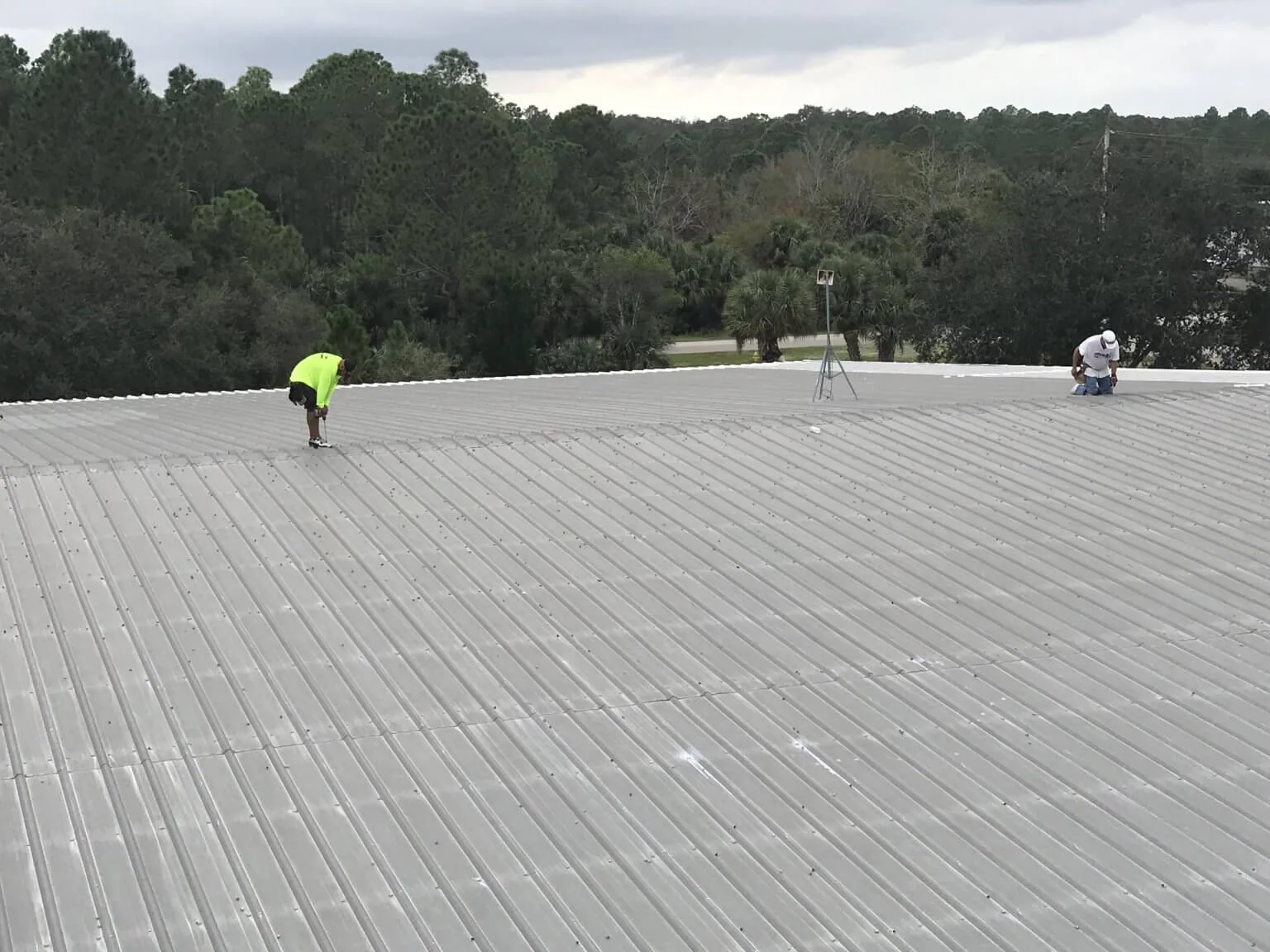
A manufacturer's system fails where its instructions were not followed, and in Missoula, MT the instructions meet 40 psf of ground snow load, about 120 days of snow cover and thaw cycles that test every seam. GAF is a large commercial roofing manufacturer whose systems include single-ply membranes, modified bitumen and built-up assemblies, along with insulation and accessories. We install, repair and maintain those system types according to the written installation details, and we keep the record that lets an owner show the work was done as specified.
Know Which System Type Is on the Roof
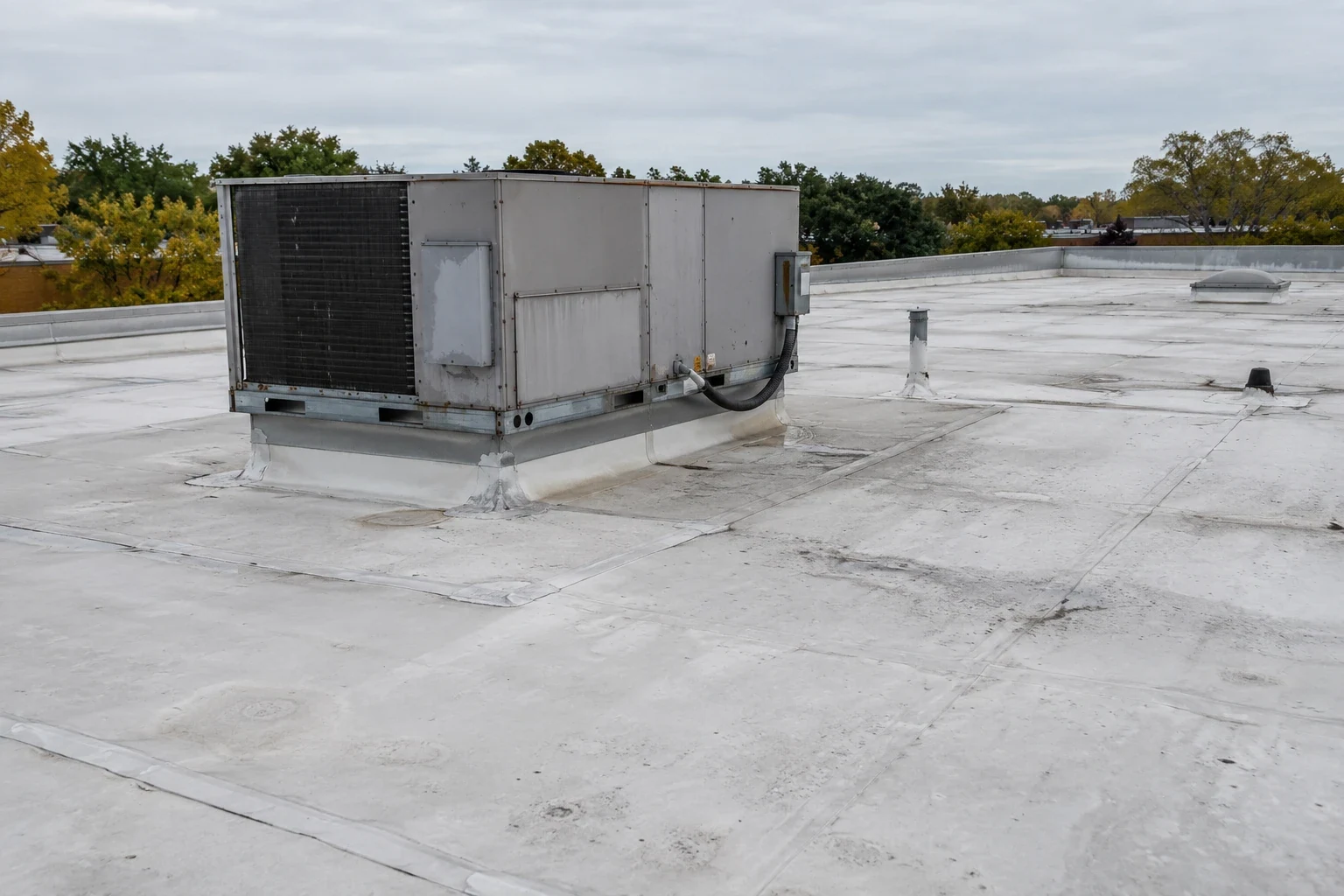
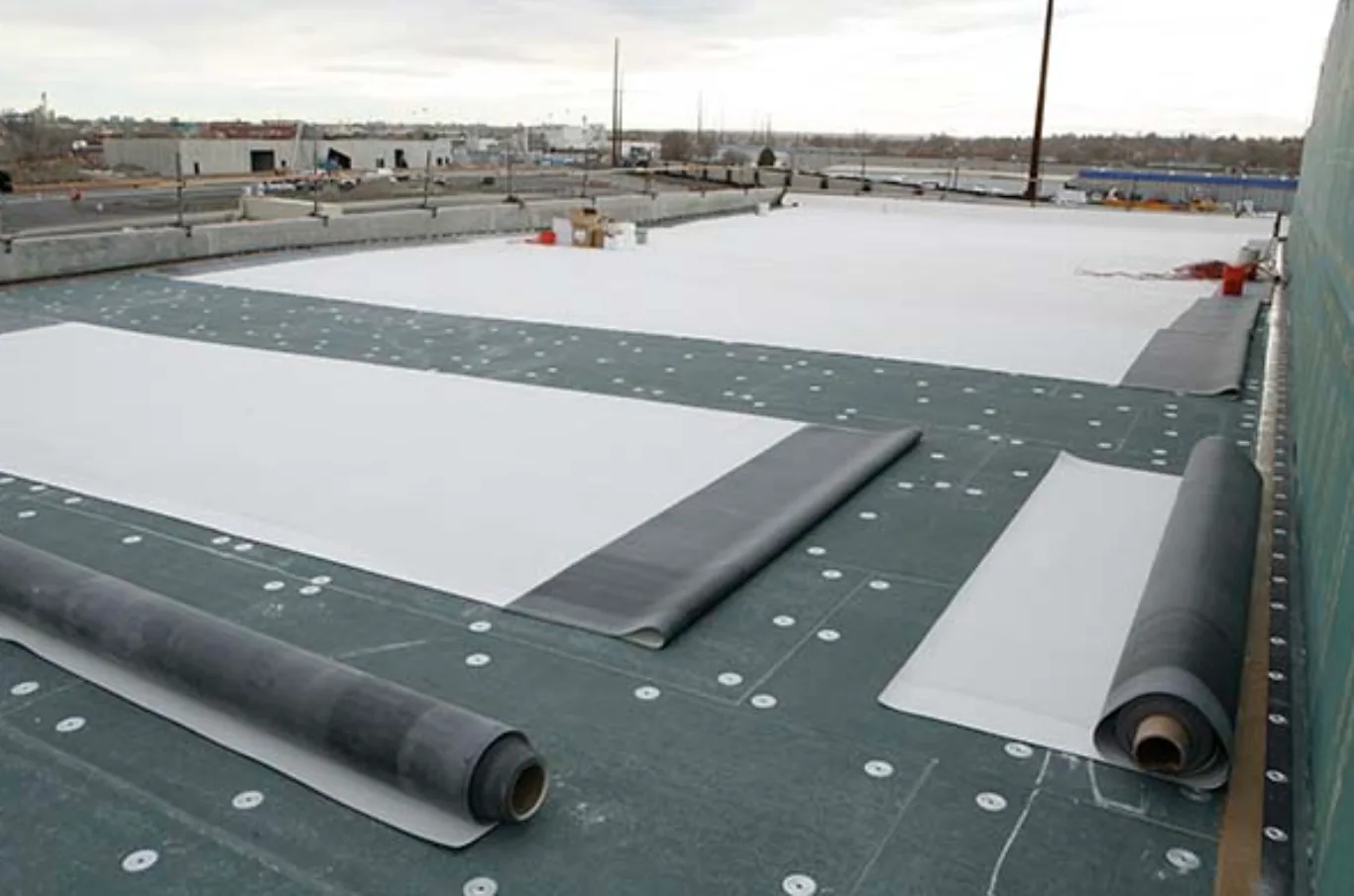
The first step on any GAF roof is to identify the assembly: the membrane type, the attachment method, the insulation and the cover board. A single-ply sheet in TPO or PVC is welded at the seams. A modified bitumen roof is built in plies and joined by heat, adhesive or self-adhering backing. A built-up roof adds layers of asphalt and reinforcement. Each type has its own repair method.
We find the type from the records and confirm it by core. A core shows the layers and the insulation, and it tells us whether the roof is a new assembly, a recover or a patchwork. Repairs then use compatible materials, because mixing incompatible membranes and sealants is a common source of repeat leaks.
Owners who compare systems across brands will find similar categories at other makers, such as Carlisle SynTec and Johns Manville. The comparison that matters on a given roof is not the logo but the assembly: the attachment, the insulation, the seam method and the details at edges and penetrations. Two roofs from different makers with the same assembly fail in similar places, and two roofs from the same maker with different assemblies do not.
Sequence the Installation Around Snow and Thaw
Adhesives, welds and coatings need dry surfaces and moderate temperatures, so most membranes go down between late spring and early fall. The installation sequence starts with deck repair and drainage, moves to insulation and cover board, then the membrane, then flashings and edge metal. The drain sump is set before the membrane covers it, because a sump fixed after a thaw cycle means cutting new material.
Crane pick, hoist and laydown yard get mapped ahead of the first roll. Each day ends with a dry-in at the tie-ins, since a tie-in left unsealed overnight invites the storm to do more damage than the original leak did. We log each dry-in with a photograph.
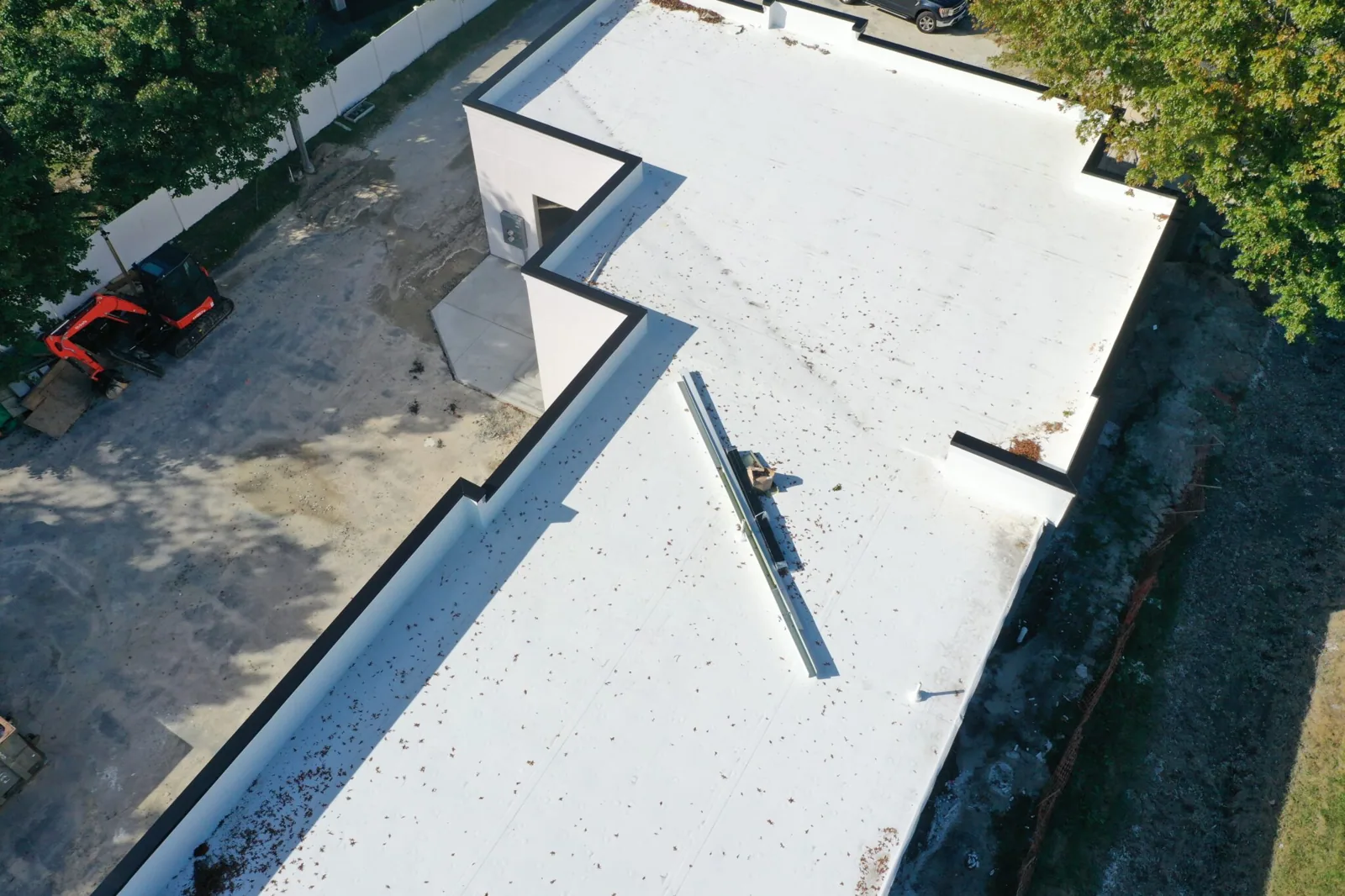
Edges get their own sequence. Wind uplift is highest at the perimeter, and the design wind speed here is 102 mph. We install edge metal and coping to the system's detail, fasten it at the specified spacing and photograph the fasteners before the cap goes on. A later wind event can then be judged against the record, and a loose cap can be repaired without guessing how it was fixed.
Repair With Materials the System Accepts
A repair on a single-ply roof uses the same family of sheet and a method suited to it: heat welding for thermoplastic sheet, primer and cured tape or patches for rubber. A repair on a bitumen roof uses compatible plies, sealant and surfacing. Using the wrong sealant on the wrong sheet can swell or crack the membrane.
We record each repair on the roof plan with the date, the cause, the material and a photograph. Hail, such as the 2016 storm that dropped quarter-size stones on central and south Missoula, leaves bruises that we mark and watch. Cracked or punctured areas get patched, and the pattern of damage goes into the file for an insurance review.
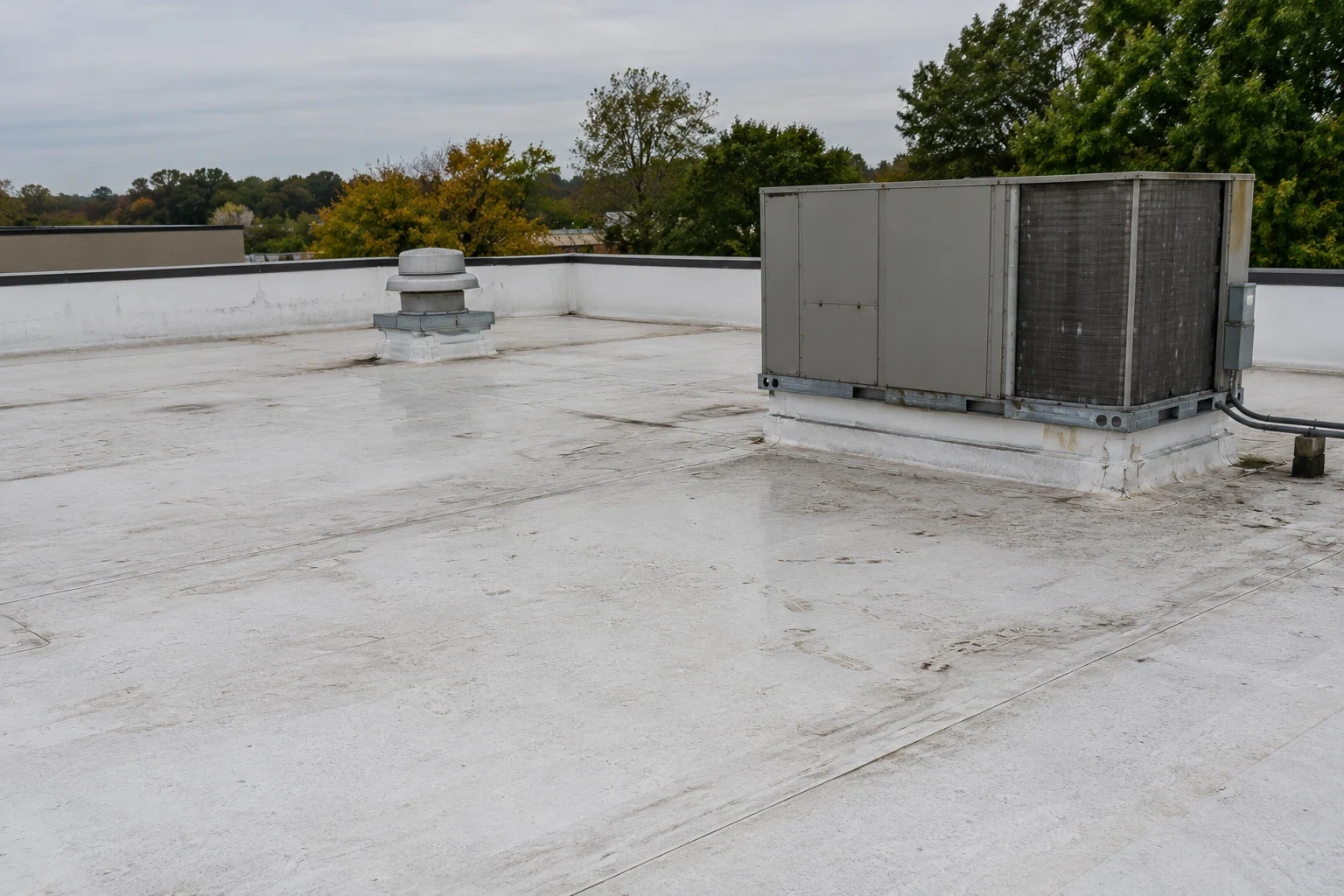
Maintenance is the quiet half of the work. A drain sump cleared before the first freeze, a seam probed after the final thaw and a flashing resealed in summer keep a membrane inside its design life. We run those visits on a fixed calendar and note each one in the file. The preventive maintenance record often decides whether a leak is treated as ordinary wear or as a claim, and it takes only a few hours a year per roof.
Keep the Paper That Backs the Warranty
Manufacturer warranties carry conditions, and the conditions are in the documents, not in our summary. We read them for each roof and list the owner's duties: notice of repairs, restrictions on foot traffic and snow removal, and the inspections that must happen. The roof warranty management file holds the terms, the repairs and the photographs.
Snow removal deserves a rule of its own. A shovel or an ice tool can cut a membrane, and many warranties treat that as owner damage. We write a snow plan for each roof and photograph the surface afterward, so a later claim rests on records and not on memory. Snow guards, where installed, are noted on the plan, since a slide of snow can damage edge metal and equipment below.
Where These Systems Appear in Missoula
Single-ply and bitumen systems appear across the commercial stock. Large roofs on North Reserve Street serve retail and hotels. Campus buildings at the University of Montana, which has 64 buildings on 220 acres, run on a mix of ages and systems. Industrial roofs near the airport and at the redeveloped Bonner mill site add equipment loads. Which system a given building has is something we confirm by walk and core.
A TPO roof, a modified bitumen roof and a built-up roof each behave differently in a snow climate, and the assembly decides which one suits a building.
Related Roofing Pages
Send the Roof Plan and the Warranty Papers
Send the roof plan, any warranty documents and the occupancy schedule, and we will map the staging area, the weather window and the repair sequence before any material is ordered.
Call 555-555-5555 or email [email protected].
Questions About GAF Commercial Roofing Systems
Can you repair a roof installed with a GAF system?
We repair roofs of these system types by identifying the assembly and using compatible materials and the written details. We do not speak for the manufacturer on coverage. If the warranty requires notice before a repair, we draft it for the owner and keep the response in the file.
Does the manufacturer's name change how snow load is handled?
No. Snow load is a structural matter set by the building and the state table, with Missoula at 40 psf. The manufacturer's system sits on top of that. We check the deck, drifts and drainage, and we flag structural questions for the owner's engineer.
How are leaks found on a modified bitumen roof?
Water travels between plies, so the stain is often far from the entry. We use an infrared scan and cores to find wet areas, then trace the path to the seam or flashing. The photographs mark each suspect point, and the repair follows the map.
When is a recover possible over an older system?
A recover works when cores show dry insulation and a sound deck, and when the old roof will accept the new one. We cut cores at several points and scan for moisture. If water is in the layers, the wet material comes out first. A recover also adds weight, so the deck and framing are checked against the snow load before the new sheet goes on, and the owner's engineer is told about the added layers in writing.
What records do you keep after an installation?
Photographs of each stage, the drain tally, flashing details, the dry-in log, material lot information and the final punch list. They go into the warranty file with the manufacturer's terms, and the owner receives a copy for the building records. When the roof is sold or refinanced, the same file is the first thing a buyer or lender asks to read, and it saves a second survey.