
Johns Manville Roofing Systems in Missoula, MT
Johns Manville Roofing Systems
The layer under the membrane fails in a snow climate before the membrane does, and the order of installation decides whether it stays dry. Johns Manville makes roofing membranes and insulation boards for commercial buildings, including single-ply sheets, modified bitumen and built-up components. In Missoula, MT, where ground snow load is 40 psf and snow lies on the ground about 120 days a year, the insulation, the cover board and the drain sump are the first details we check. We install, repair and maintain assemblies of those types and keep a record that shows each layer went down dry and in the right order.
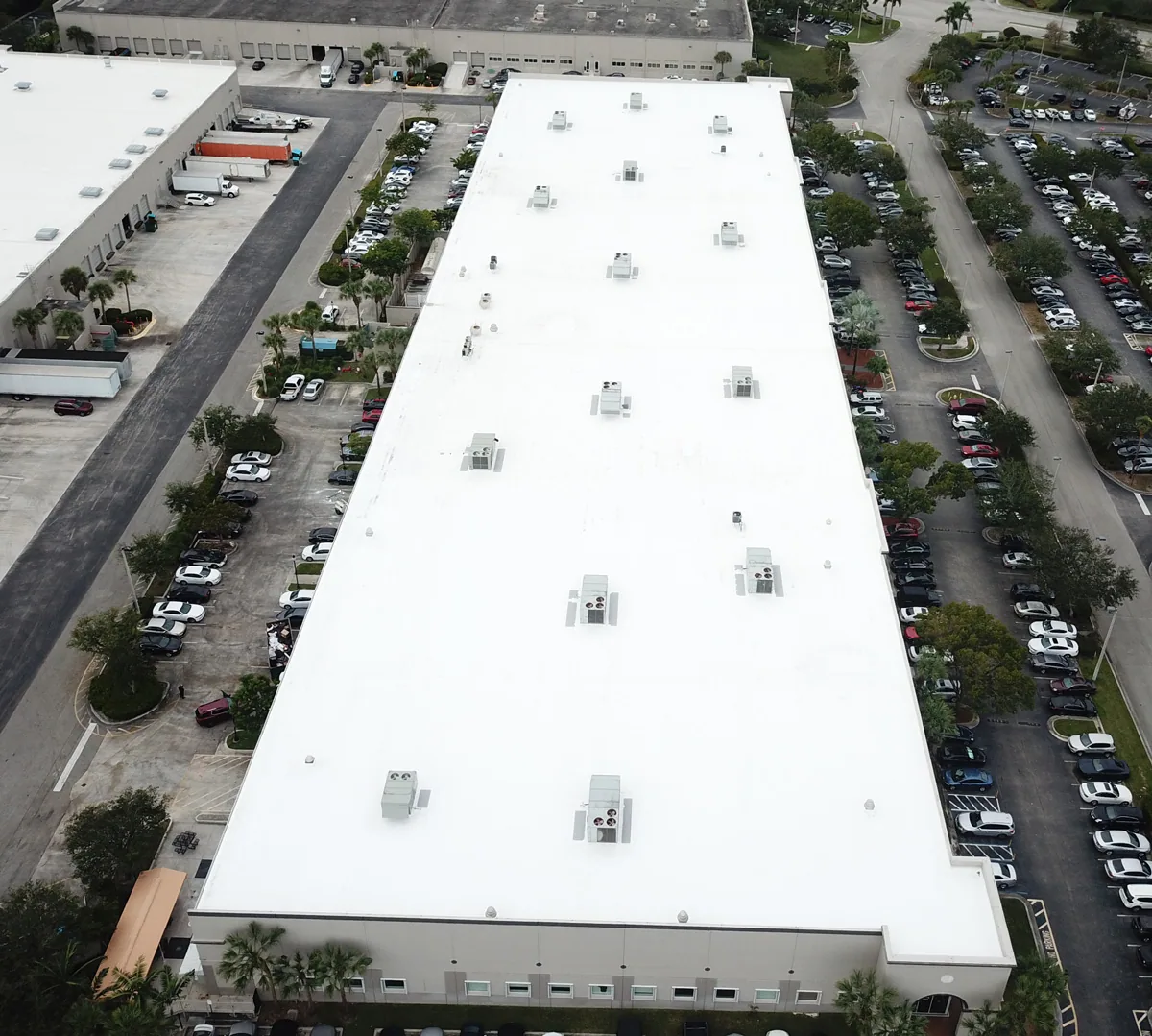
Read the Roof From the Deck Up
An assembly has layers: deck, vapor control where needed, insulation, cover board, membrane and surfacing. Each layer has a job, and each can fail on its own. Insulation absorbs water if the membrane leaks. A cover board protects the membrane from hail and traffic. The deck carries the load.
We read the layers by core. A core shows the thickness of the insulation, the type of cover board and the condition of the deck. It also shows whether a roof has been recovered, which adds weight that the framing must carry under snow. The core photographs go into the register beside the plan.
Industrial roofs carry the heaviest layers. The redeveloped Bonner mill site, off Interstate 90 Exit 109, and the county development park near the airport add equipment curbs, vents and wide fields, and an older building there may hold several recover layers. We count them. A roof with three layers and a wet middle cannot be coated or recovered, and the core photograph is the proof that makes the case for tear-off to an owner or a lender.
Place Insulation Before the Weather Window Closes
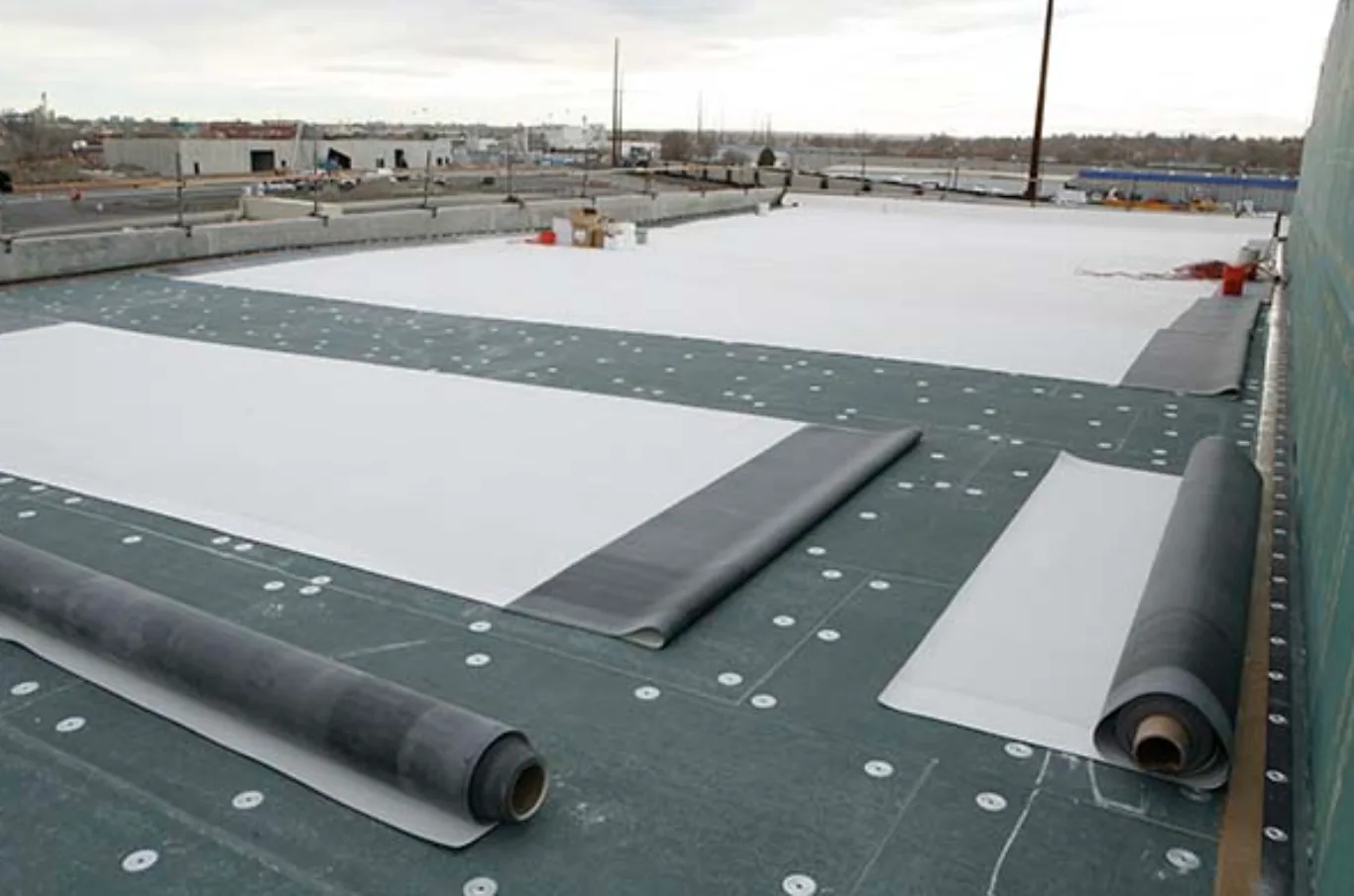
Insulation boards go down dry and are covered the same day. Board left uncovered in a thaw takes on water, and wet board loses its value and adds weight. So the crane pick delivers only what the crew can cover before the dry-in. The laydown yard is sized to a day's work, not a week's.
Insulation levels get reviewed with the designer at replacement, because Montana's amended 2021 IECC has been in force since June 10, 2022. We note the existing thickness, the available parapet height and the effect on drain slopes. Added thickness raises the roof surface, and flashings and curbs may need to rise with it. At a campus like the University of Montana's, parapet height is checked roof by roof before insulation thickness changes, since a short parapet leaves little room for more board and a taller flashing.
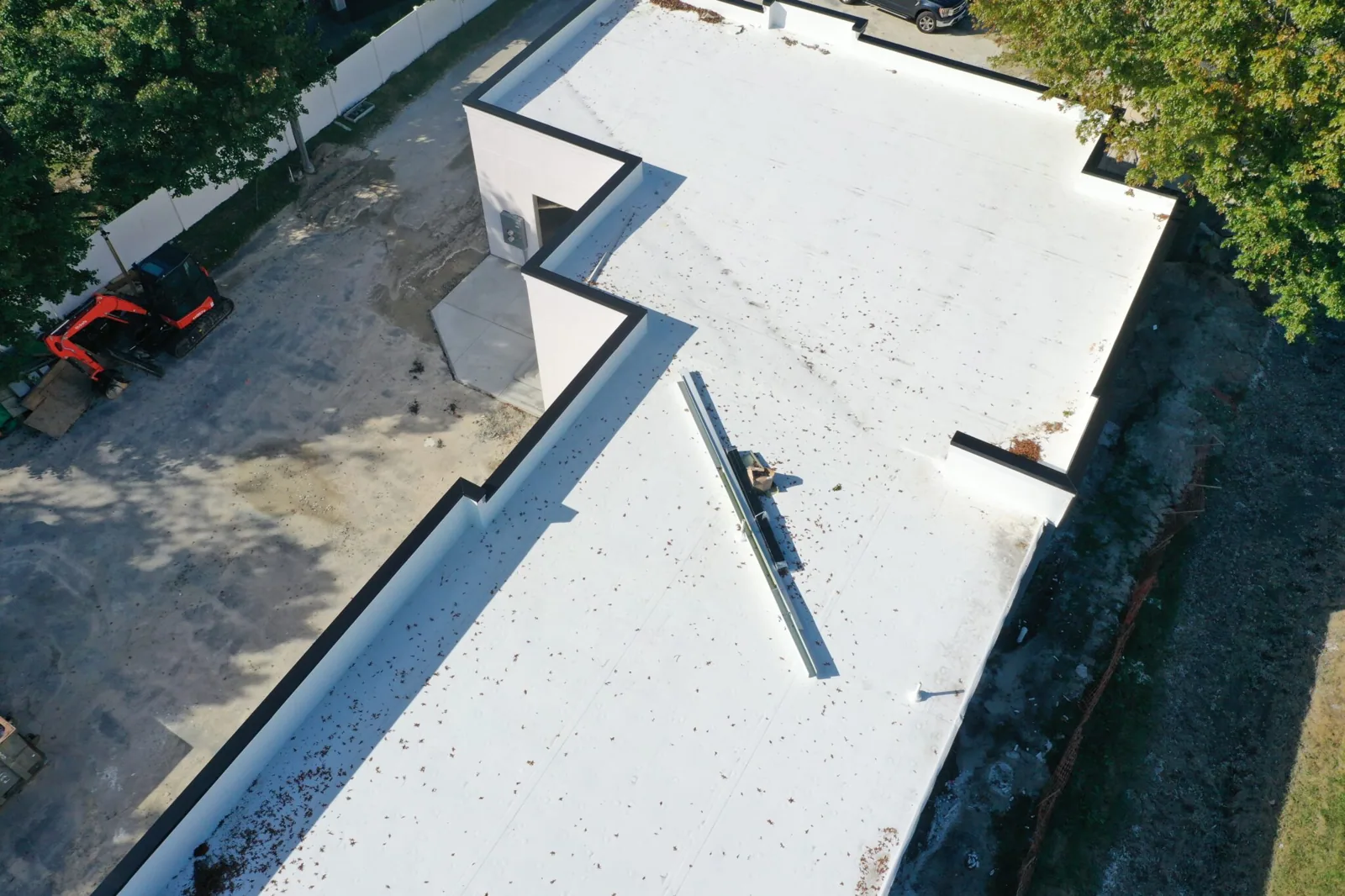
Specify a Cover Board Where Hail Is Possible
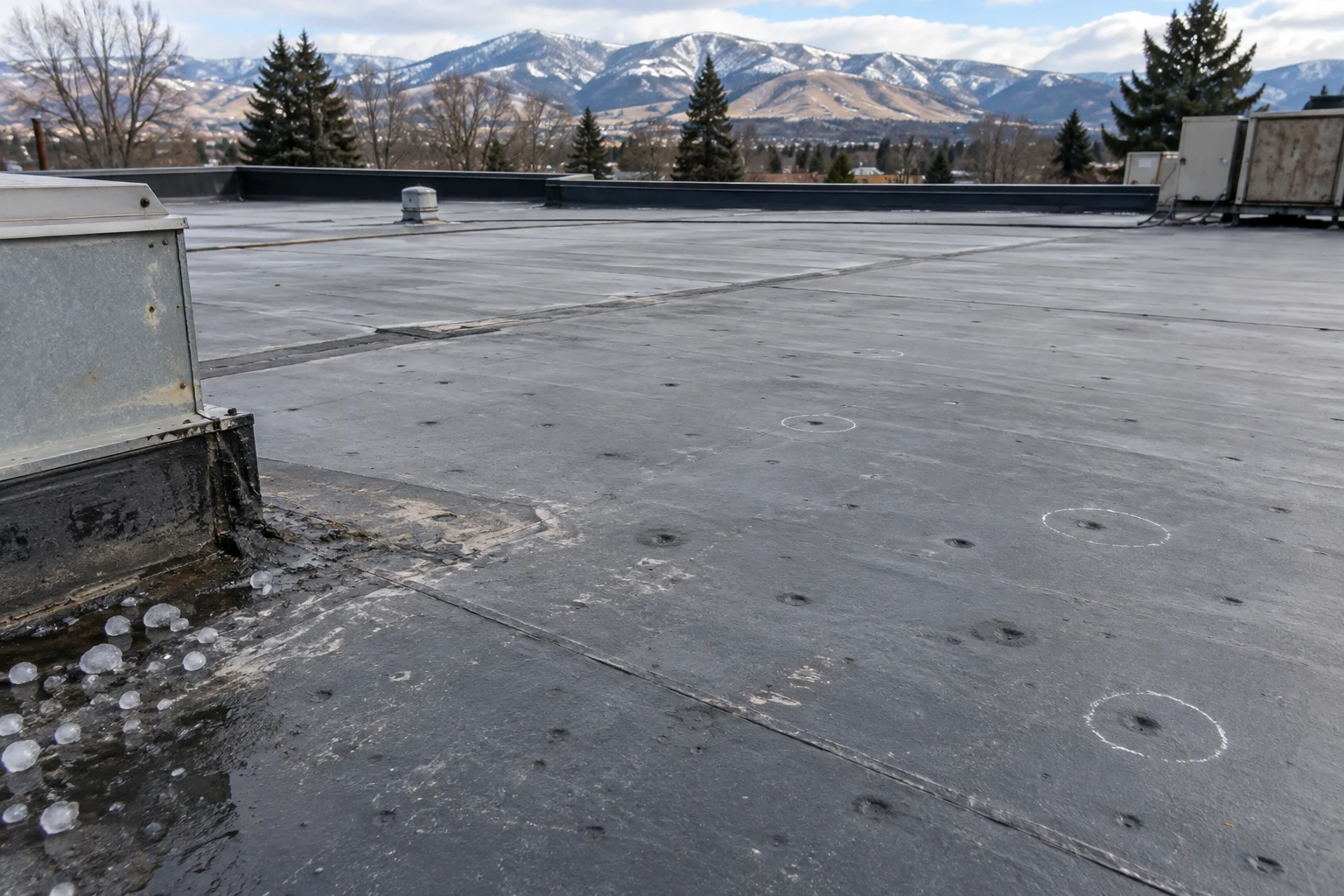
Central and south Missoula had storm drains overwhelmed in 2016 when quarter-size hail arrived with a 20-minute downpour. Hail bruises a membrane over soft insulation, and a firm cover board spreads the blow. The board costs little compared with the membrane above it.
After a hail event we walk the roof and mark every bruise. A cluster over one area often means the insulation there is thin or crushed. The finding changes the repair from a patch to a cut-out, and it goes into the file with a photograph for the insurance review. A hail damage repair follows the map.
Tie Insulation Slope to the Drain Sump
Water must reach a drain. Tapered insulation builds slope on a flat deck, and it needs to be laid out so the sump is the low point. A sump set too high holds a pond every thaw, and a pond ages seams and adds load. We survey the roof for existing ponding lines before designing the taper and record the distance from each low spot to its drain.
The insulation and cover board scope states the taper plan, the board thickness and the fastening or adhesive method. If drains must be added, the plumbing work is coordinated before the membrane arrives, since cutting a deck after the roof is covered is a poor use of a short season. Snow guards and rooftop equipment supports are laid out at the same time, so loads from sliding snow and from equipment reach the deck and not only the board. Where equipment sits on sleepers, we set protection pads under each foot and photograph them before the membrane closes around them.
Keep the Warranty File With the Layers
Warranty conditions are in the documents, not in our summary, and they differ between makers and systems. We read them for each roof and record the owner's duties. The roof warranty management file keeps the terms, installation photographs, lot information and dated repairs together. The manufacturer decides coverage; the contractor's part is a complete record and repairs that follow the written details.
A buyer or lender gets the same file. It shows the layers, the date they went down and the visits since, which saves a second survey at closing. Owners with several buildings, from retail on North Reserve Street to buildings near the airport, receive the same format for each.
Compare Makers on the Same Assembly
Makers such as Holcim Elevate and Soprema sell in similar categories. The useful comparison is by assembly: insulation type and thickness, cover board, membrane, attachment and details. We price the options side by side with install cost, service life and the maintenance each needs, and the owner picks with the numbers on one page. Where a roof carries mixed insulation types from different eras, the core log notes each board by thickness and position, which lets the designer decide whether to keep, replace or cover each layer instead of treating the whole stack alike.
Related Roofing Pages
Send the Roof Plan and the Core Results
Send the roof plan, any earlier core results and the occupancy schedule, and we will map the layer sequence, the staging area and the dry-in plan before any board is ordered.
Call 555-555-5555 or email [email protected].
Questions About Johns Manville Roofing Systems
Can saturated insulation be dried in place?
Rarely. Insulation that has absorbed water loses value and holds the water against the deck. A moisture scan and cores show how far the wetness reaches, and the wet board is cut out and replaced. Drying in place is only considered for small, recent wetting, and the cores must support it.
How thick should the insulation be?
The designer and the energy code set the target. Montana follows the 2021 IECC with its own amendments, so a replacement is the time to review it. We report the existing thickness, the room at parapets and curbs and what added thickness does to flashing heights, so the choice is made with the facts.
What does a cover board add to a hail-prone roof?
It spreads impact so the membrane does not bruise over soft board. It also protects the membrane from foot traffic and old fasteners during a recover. We recommend it where the building has rooftop equipment, frequent service visits or a history of hail, and we list it as its own line.
Can a recover be done over old insulation?
Yes, if cores show dry insulation and a sound deck, and if the framing can carry the added layer under snow. We cut cores at several points and scan for moisture. Wet areas come out first, and the owner's engineer is told about the added weight.
What happens at the end of a job?
A punch list is walked, final photographs are taken, the drain tally is recorded and the warranty file is updated. The roof register gets a new entry with the dates and the layers. The owner holds one folder that tells the story of the roof from deck to surface, with every layer named, dated and photographed, so the next owner, lender or contractor does not have to open the roof to learn what lies beneath it.