Holcim Elevate Roofing Systems in Missoula, MT
Holcim Elevate Roofing Systems
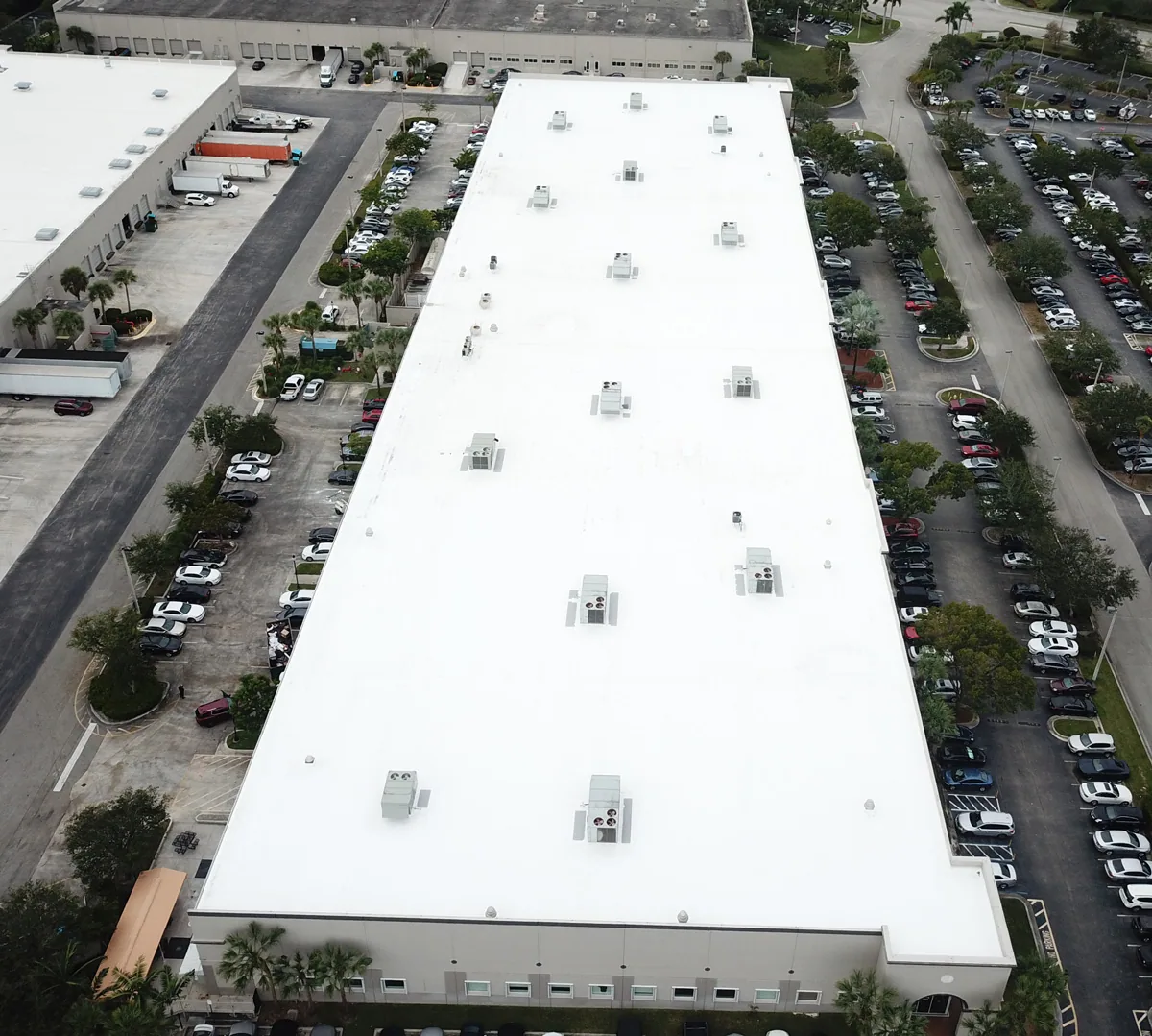
A roof installed under one brand name is serviced years later under another, and the records have to cross that gap intact. Holcim Elevate is the name now used for the business formerly called Firestone Building Products, whose single-ply lines include UltraPly TPO. An owner in Missoula, MT may hold a roof file that says Firestone and a manufacturer letter that says Holcim Elevate, and a snow-covered winter is a poor time to untangle the names. We install, repair and maintain these system types, and we keep the file so the old name and the new one point to the same roof.
Carry the Old Name Forward in the File
The warranty documents, the installation drawings and the product labels on an older roof may carry the earlier name. A claim, a repair notice or a buyer's review has to connect those names to the current company. We put both in the file header: the name on the original documents and the name now in use, with the date of the change and the source of the information.
This is a small step that prevents a large delay. When a leak is reported, the owner sends one folder, and the folder explains itself. The reviewer sees the same roof, the same dates and the same photographs under either name.
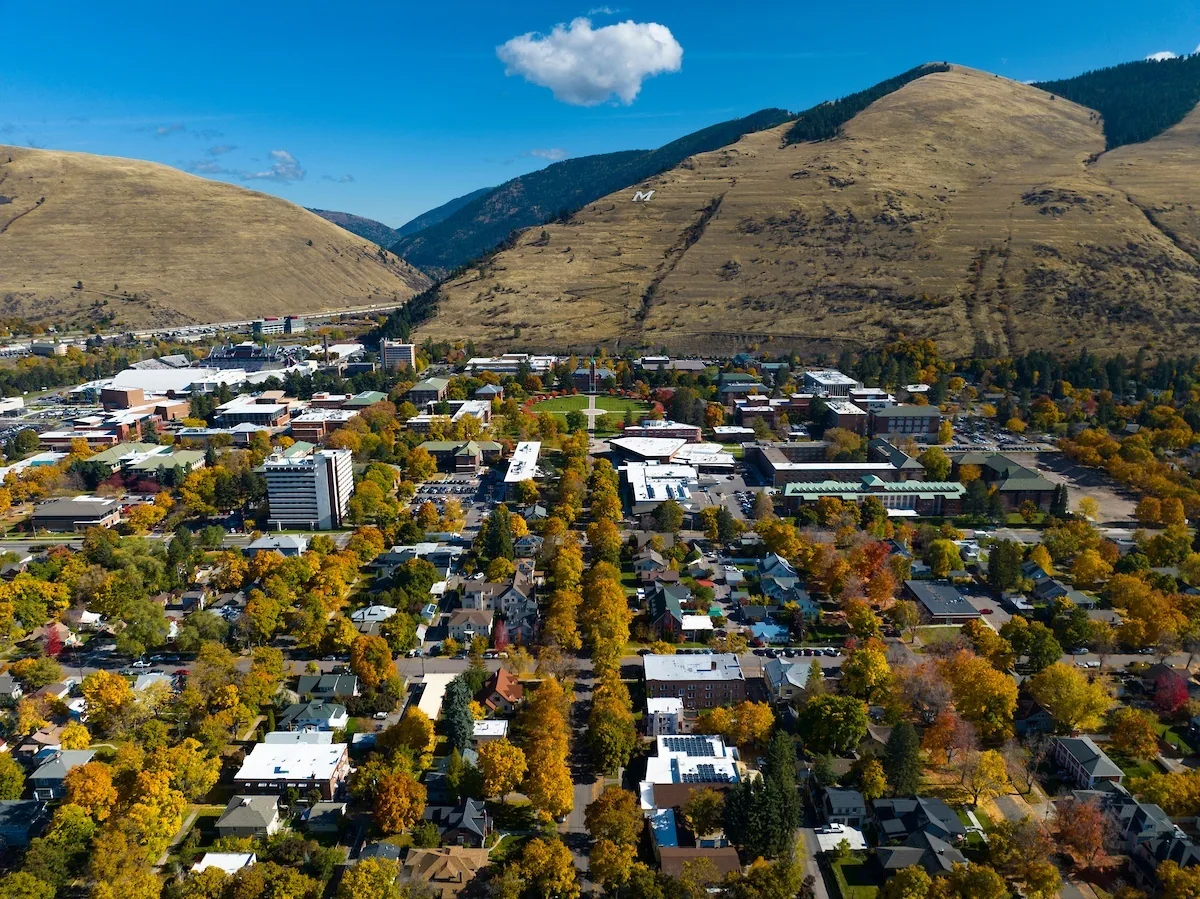
The same habit helps a portfolio. A campus of 64 buildings, like the University of Montana's, may hold roofs from several eras and several makers. The register carries a column for the maker as named on the original documents and another for the current name, so a facilities manager can sort by either and trust that nothing was lost in the change. A University District roof then reads the same as a retail roof across town.
Identify the Assembly Before Planning a Repair
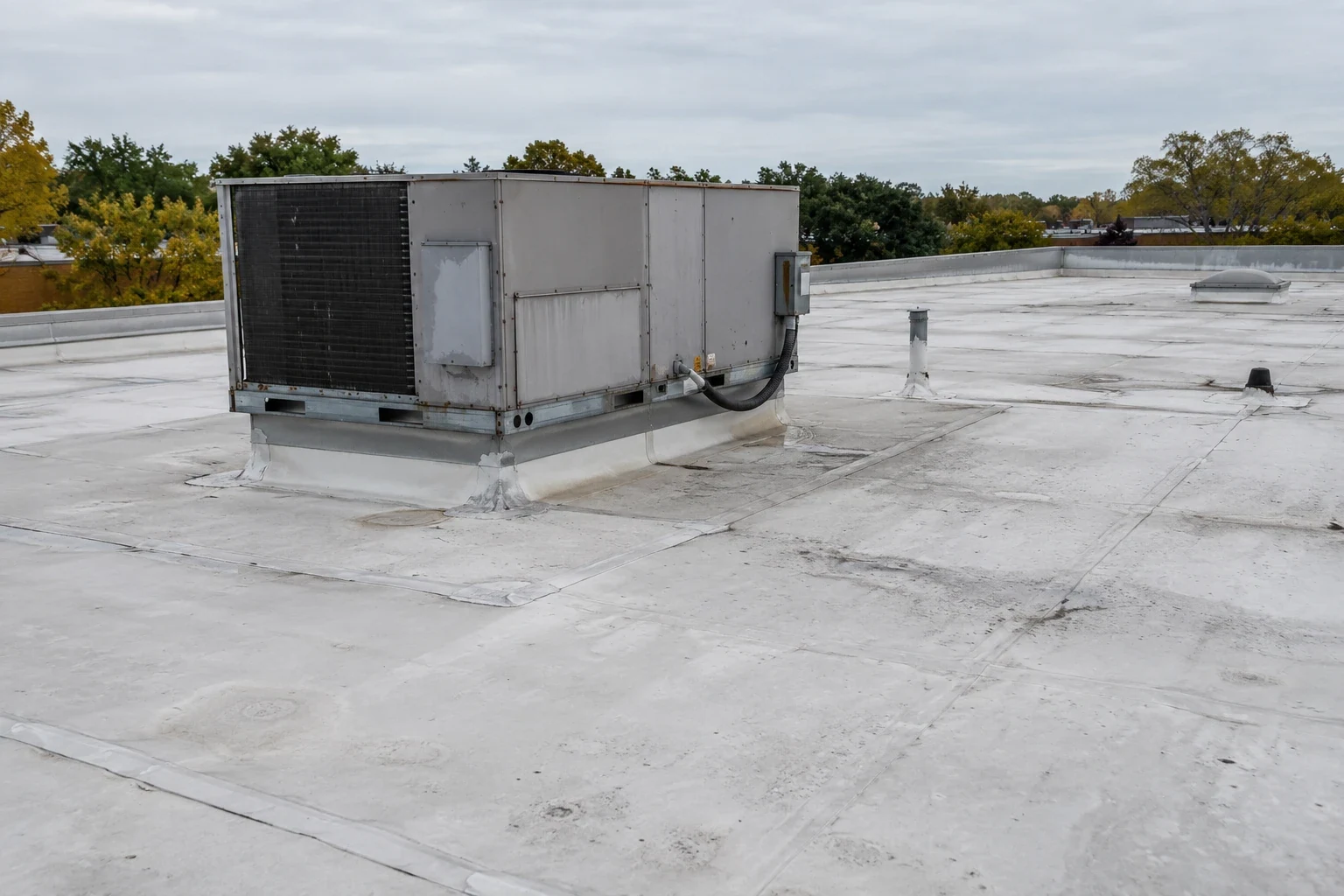
The maker's systems include single-ply sheets in TPO and EPDM, along with insulation, accessories and metal products. A core shows which sheet is on the roof, how it is attached and what lies below. Repairs then follow the sheet: hot-air welds for thermoplastic, tape and primer for rubber, compatible sealants at flashings.
We do not guess from the building's use. A hotel on North Reserve Street, a hospital roof like St. Patrick Hospital's and an industrial roof at the Bonner mill site can each hold any system. The walk and the core tell us which, and the file records the answer.
Accessories deserve the same care. Edge metal, curbs, pipe boots and walkway pads may come from the same maker or from another. A repair that mixes a boot from one family with a sheet from another can fail at the bond, so we identify each component and match repair materials to it. Where the original part is no longer sold, we choose a compatible substitute, note it in the file and photograph the finished detail.
Sequence the Work Inside the Weather Window
The short summer window sets the order. Deck repair and drains come first, then insulation and cover board, then the sheet, then flashings and edge metal. Each day ends with a dry-in at the tie-ins. Crane, hoist and laydown yard sit where tenant access stays open.
For a hospital or hotel roof, access sets the plan. St. Patrick Hospital is the region's only Level II trauma center, so a roof there needs a plan that protects intakes and keeps service routes clear. We write the dry-in sequence and the tenant access plan before any material is ordered, and we share both with the facilities team.
Hotels along Reserve Street run guest schedules that shape the day. Loud tear-off is kept away from late mornings, lifts are placed away from entrances and debris is moved by enclosed chute. Costco, Lowe's and Walmart lead the corridor with large roofs, and a roof there is worked in zones so deliveries and customers keep moving. The plan shows which zone opens on which day and where the dry-in line sits at the end of each shift.
Plan for Snow Load, Guards and Ice at the Drain
Winters average about 39.5 inches of snow, and all-day freezes come on roughly 45 days. Ice builds at drain sumps and edges, and sliding snow can strike equipment and entrances. We check the sump, the edge metal and any snow guards on each visit and photograph them.
After a thaw cycle, we look for lifted laps, ice stains and cracked sealant at the base of penetrations. These marks show where the next winter will do its work. A preventive maintenance visit before the first freeze clears the sumps and fixes the small items while the repair is short.
Heat is the other season. The record is 107 F on June 30, 2021, and late-summer days swing by more than 30 F. A sheet expands in the afternoon and contracts overnight, and the details at walls and curbs take the movement. We probe those details in late summer and photograph any gap, so the winter does not meet an opened flashing.
Compare the System With Its Neighbors
The same assembly questions apply to every maker. Carlisle SynTec and Sika Sarnafil offer systems in overlapping categories, and a TPO roof or EPDM roof can come from several makers. We compare by attachment, insulation, cover board and details, then price the options with install cost, service life and the maintenance each needs. The warranty file follows whichever system the owner chooses. When a manufacturer's name changes, supplier contacts and product numbers sometimes change with it. We record both the old and the new reference for each component, so a replacement part can be ordered without guessing which catalog applies.
Related Roofing Pages
Send the Roof Plan and the Original Documents
Send the roof plan, the original installation documents under whichever name they carry and the occupancy schedule, and we will build the file header and map the staging area before any work is priced.
Call 555-555-5555 or email [email protected].
Questions About Holcim Elevate Roofing Systems
Does the new company name change my warranty?
Warranty terms are set by the documents issued with the roof. A change in company name does not rewrite them, but the owner should confirm contact details and notice procedures with the manufacturer. We list both names in the file and draft any notice the terms require, so the claim path is clear. The owner also learns early whether a notice address or an inspection form has changed, which is easier to settle before a leak than during one.
How can I tell what system is on my roof?
Look at the installation records first, then confirm by core. A core shows the sheet, the attachment and the insulation. Product labels on edge metal or on the underside of flashings sometimes help. We photograph the core and add it to the file, so the answer is on record.
Can UltraPly-type TPO be repaired in cold weather?
Small repairs can be made on dry, clear days when the deck is free of frost, since welds need a clean surface. In deep winter we patch to stop water and schedule the permanent weld for the spring window. Each repair is photographed and logged with its date.
What is the usual first sign of trouble on a single-ply roof?
Lifted laps, cracked sealant at penetrations and ponding at drain sumps appear first. They show up after thaw cycles, when water finds the weak point. We probe every seam and photograph the sumps on each visit, so the trend is visible before a leak.
Who decides whether a hail bruise is covered?
The manufacturer and the insurer decide under their own terms. We document the damage with dated photographs and a map of the bruises, as after the 2016 hail on central and south Missoula, so the owner has what a reviewer will ask for.