
Sika Sarnafil Roofing Systems in Missoula, MT
Sika Sarnafil Roofing Systems
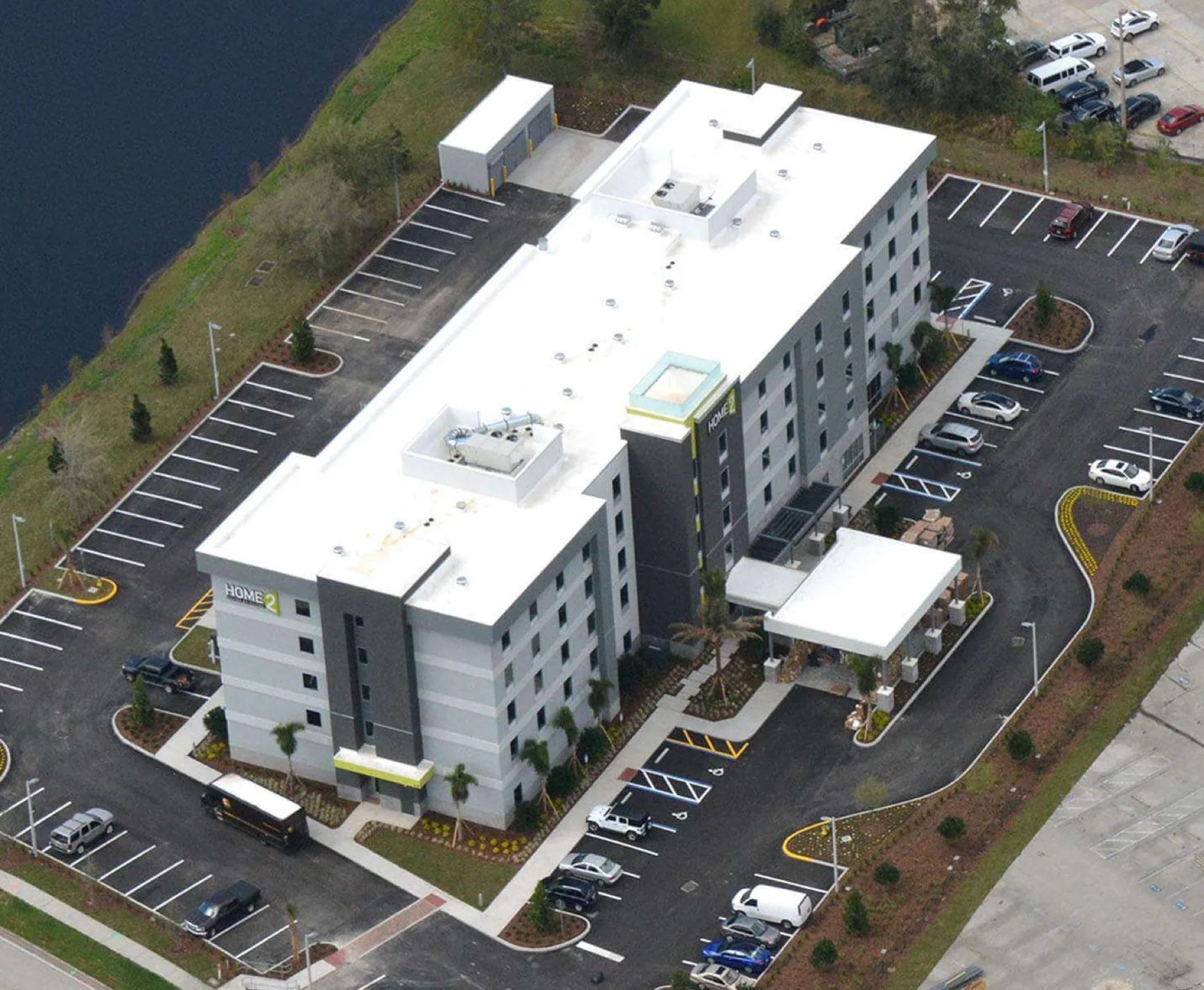
The first thing to fail on a welded PVC roof is a detail, and in Missoula, MT the details are tested twice a year: once by a summer that reached 107 F on June 30, 2021, and again by about 45 days that never rise above freezing. Sika Sarnafil is a maker of thermoplastic PVC single-ply roofing, a system in which sheets are fused at the seams by hot air and flashings are formed from the same material. We install and repair roofs of this type, and the first checks go to the seams, flashings and drain sumps, since those details open before the field does.
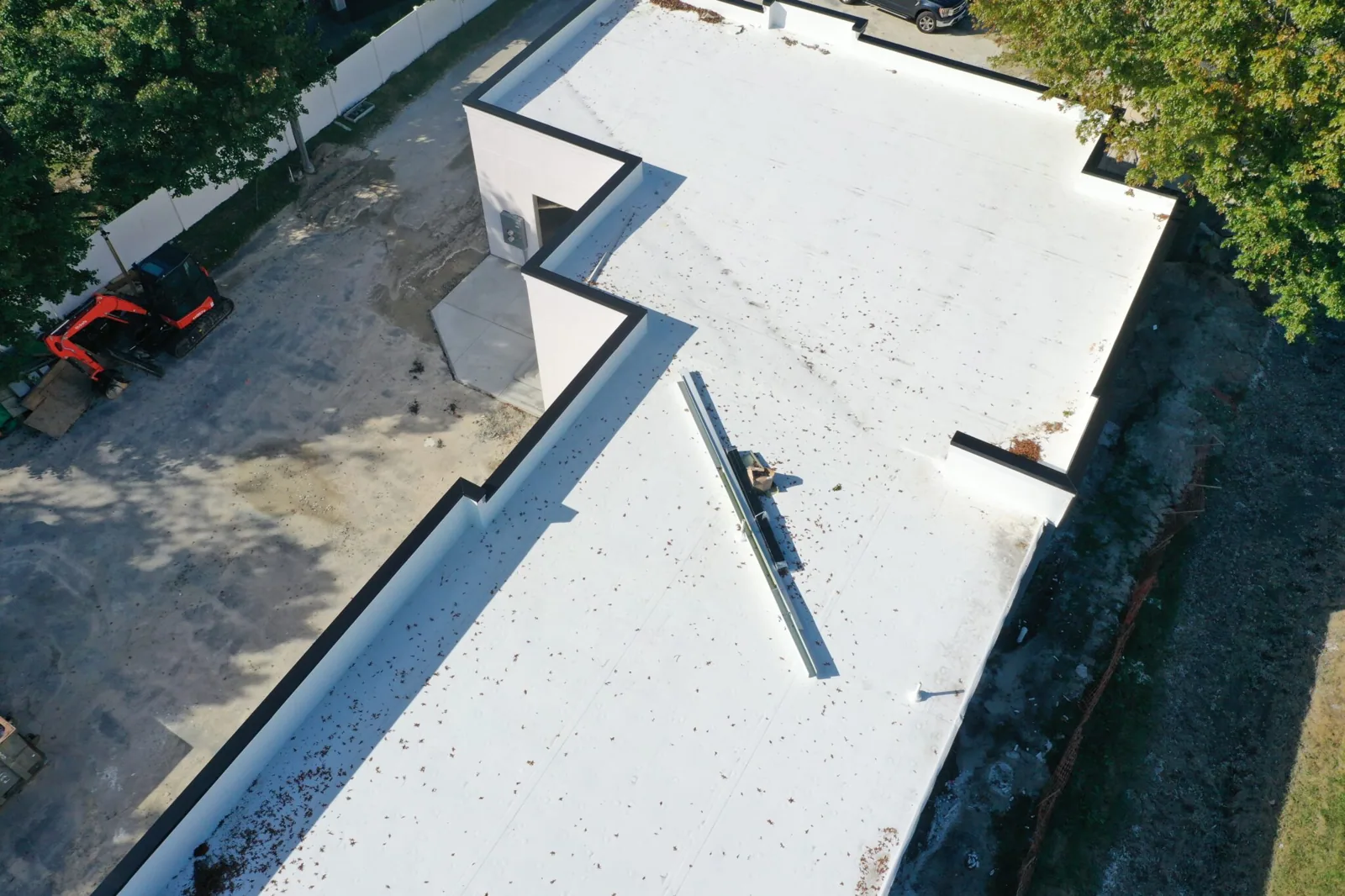
Understand What a Fused Seam Does and Does Not Do
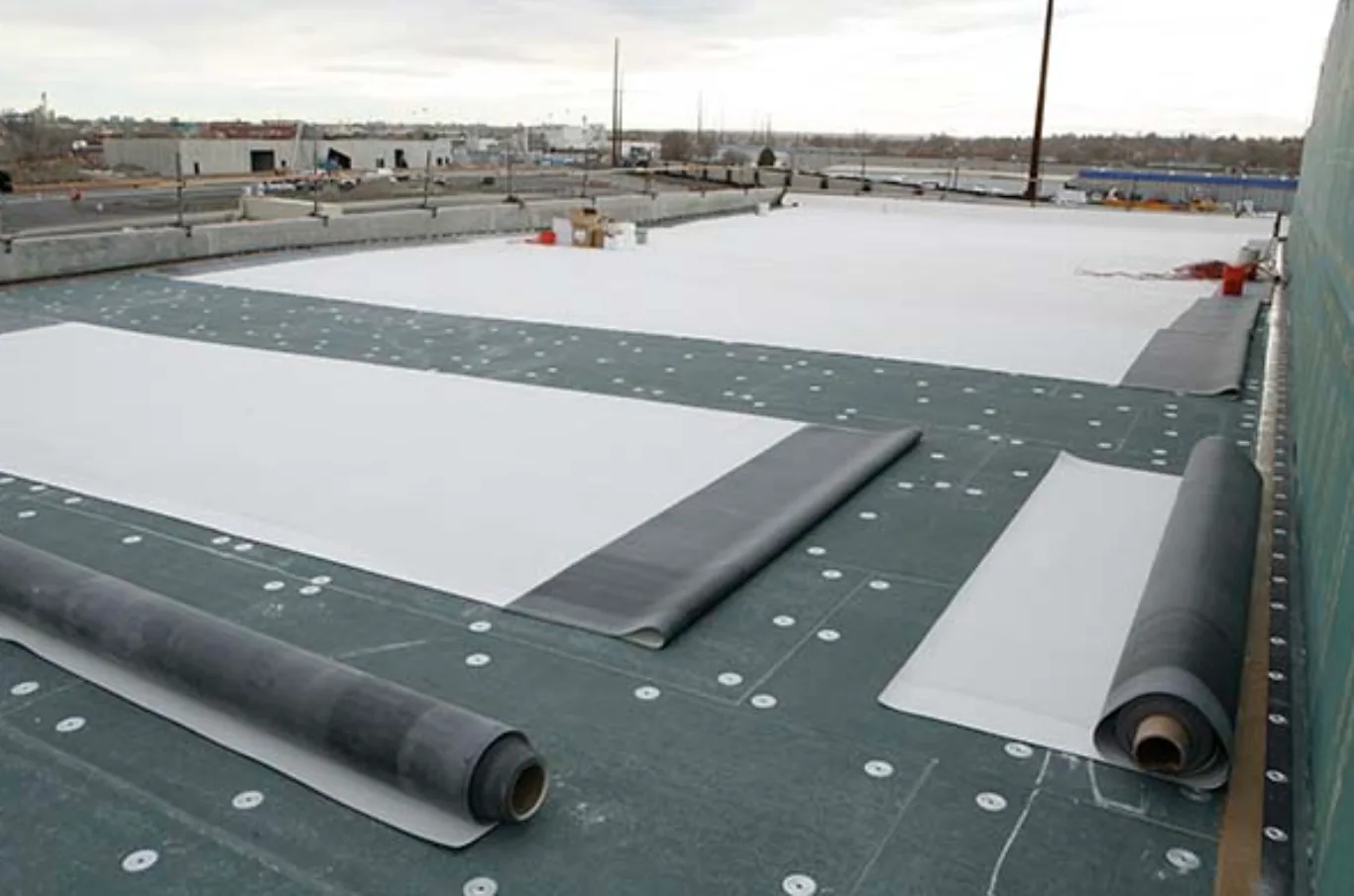
A hot-air weld melts the surfaces of two sheets and joins them into one layer. A good weld is as strong as the sheet. It is also visible: a small bead of melted material shows along the edge. A poor weld shows gaps, burn marks or a lifted lip.
Every seam is probed along its length with a thin tool, and corners where two seams meet get a press test, because that cross-seam junction is the hardest weld to make and the first to lift. A weld that fails gets reworked that day, and a seam opened in service is cleaned, rewelded and capped with a strip of the same sheet. The repair is photographed and logged, and the pattern of any repeat failure goes into the file for the owner.
Repeat failures matter most. When a seam opens twice at the same spot, suspect movement, a fastener pattern that tugs the sheet, or ponding that loads the lap. We trace the cause before welding again. The cause might be a stiff edge metal, a loose deck panel or a drain sump set too high. A fix aimed at the cause lasts. A fix aimed at the seam alone is a second visit.
Form Flashings From the Same Material
PVC flashings are fused to the field sheet, not glued. At curbs, parapets, pipes and corners the detail is cut, formed and welded in place. In a freeze, pre-formed corners and boots help, because cold stiffens the material and a corner forced into place can crack. We keep pre-formed parts warm until they are used.
Where a detail cannot be welded, such as a tight penetration, a liquid-applied flashing resin of a compatible type may be used. The file notes the product, the location and the cure date. Mixed details are a frequent source of repeat leaks, so each one is identified before it is repaired.
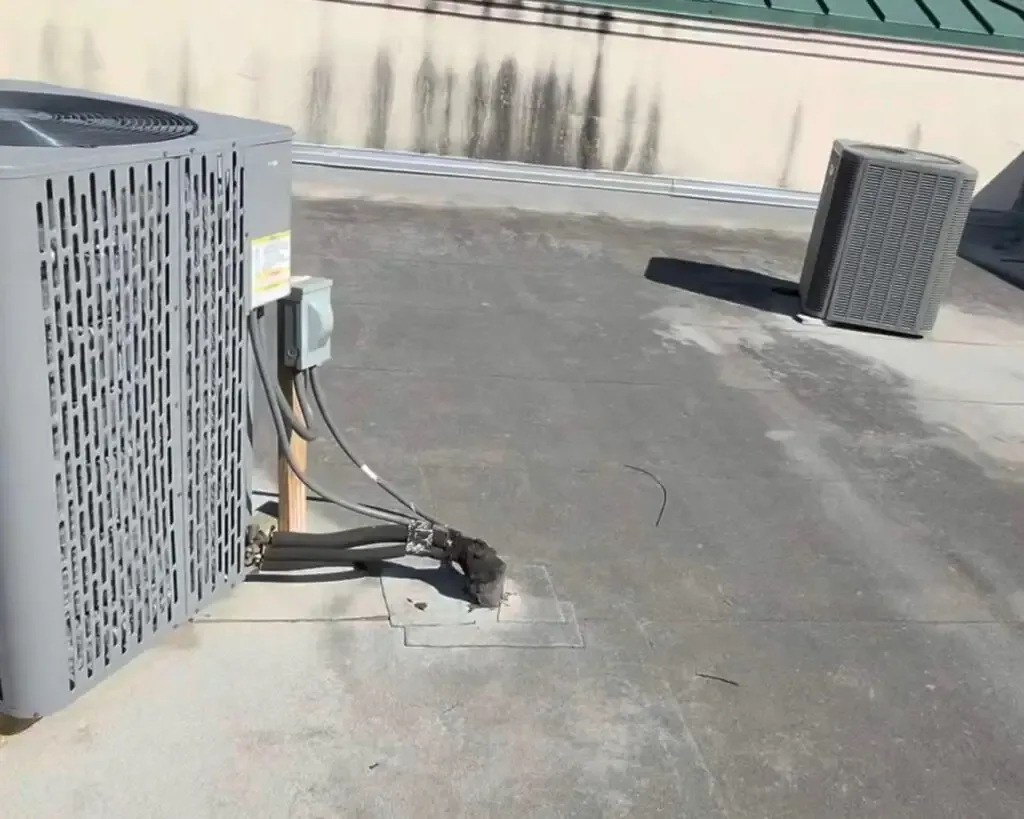
Where PVC Is Chosen in Missoula
PVC resists many fats, oils and chemicals, so it suits roofs near kitchen exhaust and process vents. PVC suits the exhaust near North Reserve Street hotels and restaurants, where Hilton Garden Inn, Courtyard Marriott and Homewood Suites sit among the big-box stores. Hospitals and clinics with constant exhaust, such as the buildings around St. Patrick Hospital and Community Medical Center, are another.
We do not assume what any given building has. The walk and the core tell us the system, and the file records it. An existing PVC roof gets its history read first. Where an owner is choosing, we compare PVC with TPO on cost, exposure and service life.
University buildings add a different question. On the University of Montana campus, 64 buildings on 220 acres including nine residence halls, a roof's exhaust sources vary from building to building. A University District roof near a lab vent is a candidate for a chemical-resistant sheet, while a lecture hall roof with no vents may not need one. We map the vents first and choose the sheet for the exposure, building by building.
Care for the Drain Sump Through Winter
Winters bring about 39.5 inches of snow, and the ground stays under it for months. Meltwater from one thaw cycle backs up behind a blocked sump, and ice can hold water against a seam. We clear every sump before the first freeze, photograph it clear and return after the final spring thaw to check for ice damage. The two photographs sit side by side in the file, so a sump that fills with debris faster than expected is easy to spot, and the maintenance interval can be shortened for that roof.
Snow removal on a PVC roof needs a plan. A metal blade or an ice tool can cut the sheet. We write a plan that names the areas that may be cleared, the tools allowed and the check afterward. Where snow guards are installed, we note them on the roof plan and check them after each major slide.
Industrial sites reached by Interstate 90, such as the redeveloped Bonner mill site, add equipment and wide fields where a single clogged sump matters. Heavy snow collapsed much of the former mill's roof in 2011, which is why we look at the load path and drift areas as well as the membrane when we walk an industrial roof. Any structural concern goes to the owner's engineer with photographs and measurements.
Keep the Warranty File Current
Warranty conditions are in the documents, and we read them for each roof. The roof warranty management file carries the terms, installation photographs, seam probe log and every repair. Coverage decisions belong to the manufacturer. The contractor's job is a complete owner record and repairs that match the written details.
Owners comparing systems can also look at Duro-Last, which makes prefabricated PVC membranes, and at Versico. The comparison that matters is the assembly: attachment, insulation, cover board and details. The seam probe log is kept as a table with one line per run, so a repeat failure shows up as a pattern.
Related Roofing Pages
Send the Roof Plan and the Exhaust Locations
Send the roof plan, the locations of kitchen or process exhaust and the occupancy schedule, and we will map the seam checks, the staging area and the winter drain plan before any work is priced.
Call 555-555-5555 or email [email protected].
Questions About Sika Sarnafil Roofing Systems
Is PVC better than TPO for a hotel roof?
Not always. PVC resists grease and chemicals, which helps near kitchen exhaust and laundry vents. TPO suits quieter roofs at lower cost. We read the exhaust sources on the roof and recommend PVC near them and TPO elsewhere if the owner wants to hold down cost.
Can PVC be welded in cold weather?
It can if the deck is dry and the temperature allows good welds, and we test-weld before work each day. In deep cold or on frosted decks, we wait. Emergency leaks get a temporary patch, and the permanent weld goes on the first workable day.
What does heat do to a PVC roof?
Sustained heat can stiffen the sheet over many years, and daily swings above 30 F work on seams and flashings. Missoula's record high is 107 F, and the heat of that afternoon is followed by a cool night that pulls every flashing back. We probe seams and press flashing corners each summer and photograph any shrinkage at walls.
How do you find a leak on a welded sheet?
Water often enters at a detail and travels under the sheet. Infrared scanning and cores locate the wet areas, and the trace runs from there to the nearest seam, penetration or flashing. The photographs mark the entry, and the repair follows the map. A lifted lap rewelded in October costs a short visit, while the same lap opened by a January thaw means ice, water and a larger repair.
What happens if hail bruises the sheet?
We mark each bruise, press it and cut a core where bruises cluster, since the cause is often soft insulation below. A written record of any hail damage supports an insurance review, as it would after the 2016 storm over central and south Missoula.