
Carlisle SynTec Roofing Systems in Missoula, MT
Carlisle SynTec Roofing Systems
On a single-ply roof the seam decides how long the sheet lasts, and in Missoula, MT the seam is tested by about 45 days a year that never rise above freezing and by daily swings of more than 30 F through the summer. Carlisle SynTec makes single-ply systems in TPO and EPDM, among other lines, including the Sure-Weld TPO family. We install, repair and maintain roofs of those types, and the work starts with the seam, the flashing and the drain, because those three details fail before the field of the sheet does.
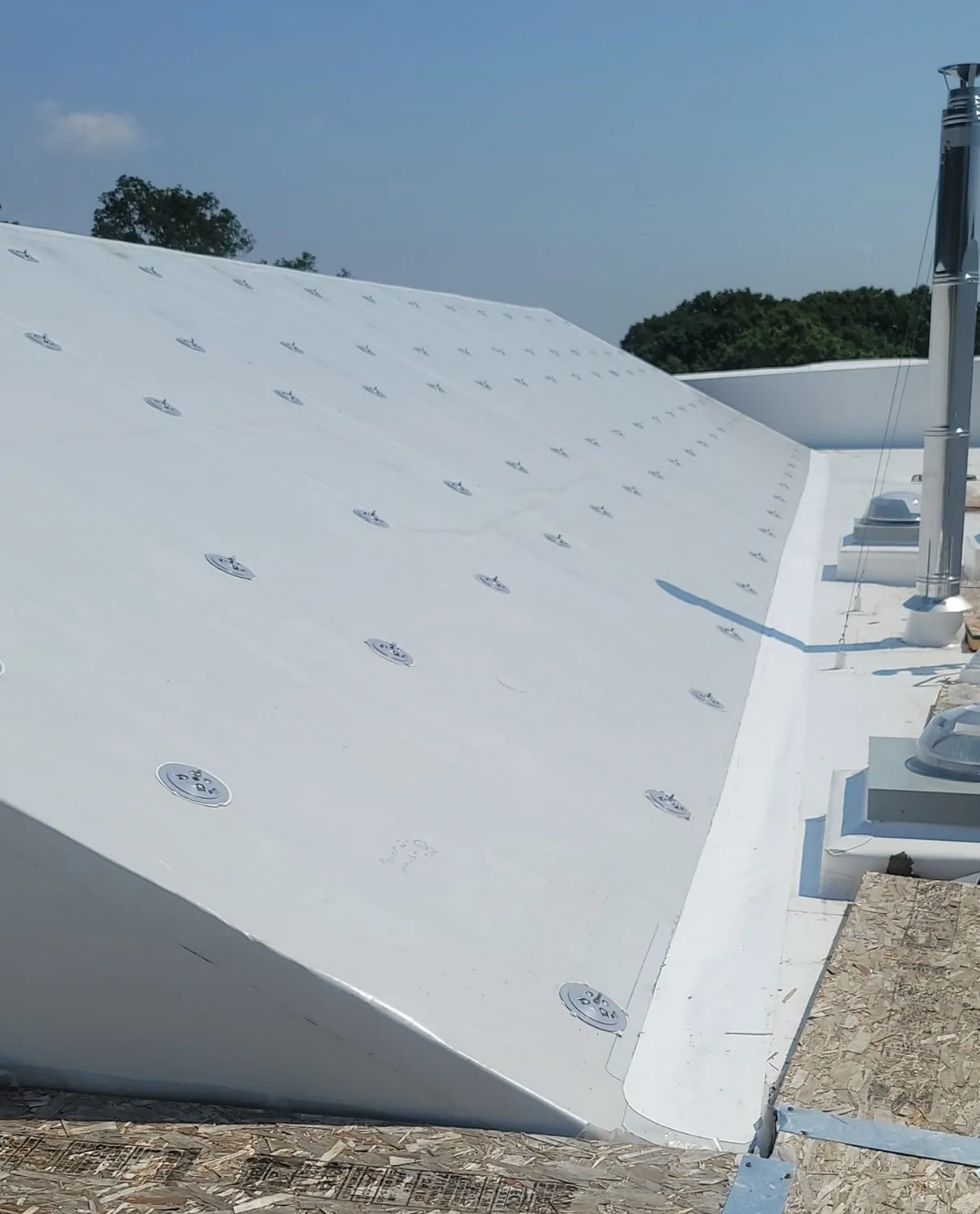
Separate Welded Seams From Taped Seams
TPO sheets are joined by hot-air welding, which fuses two layers into one. EPDM sheets are joined by tape or splice adhesive, which depends on clean surfaces and good pressure. The two systems fail in different ways. A bad weld shows as a gap or a lifted lip. A bad tape seam shows as a fish-mouth, a small opening at the edge of a lap.
We probe every seam by hand and photograph any lift. A weld that fails the probe is reworked the same day. A tape lap that has opened is cleaned, re-primed and re-taped, with a cover strip where the edge has curled. The repair method follows the seam type, and the file records which type each roof has.
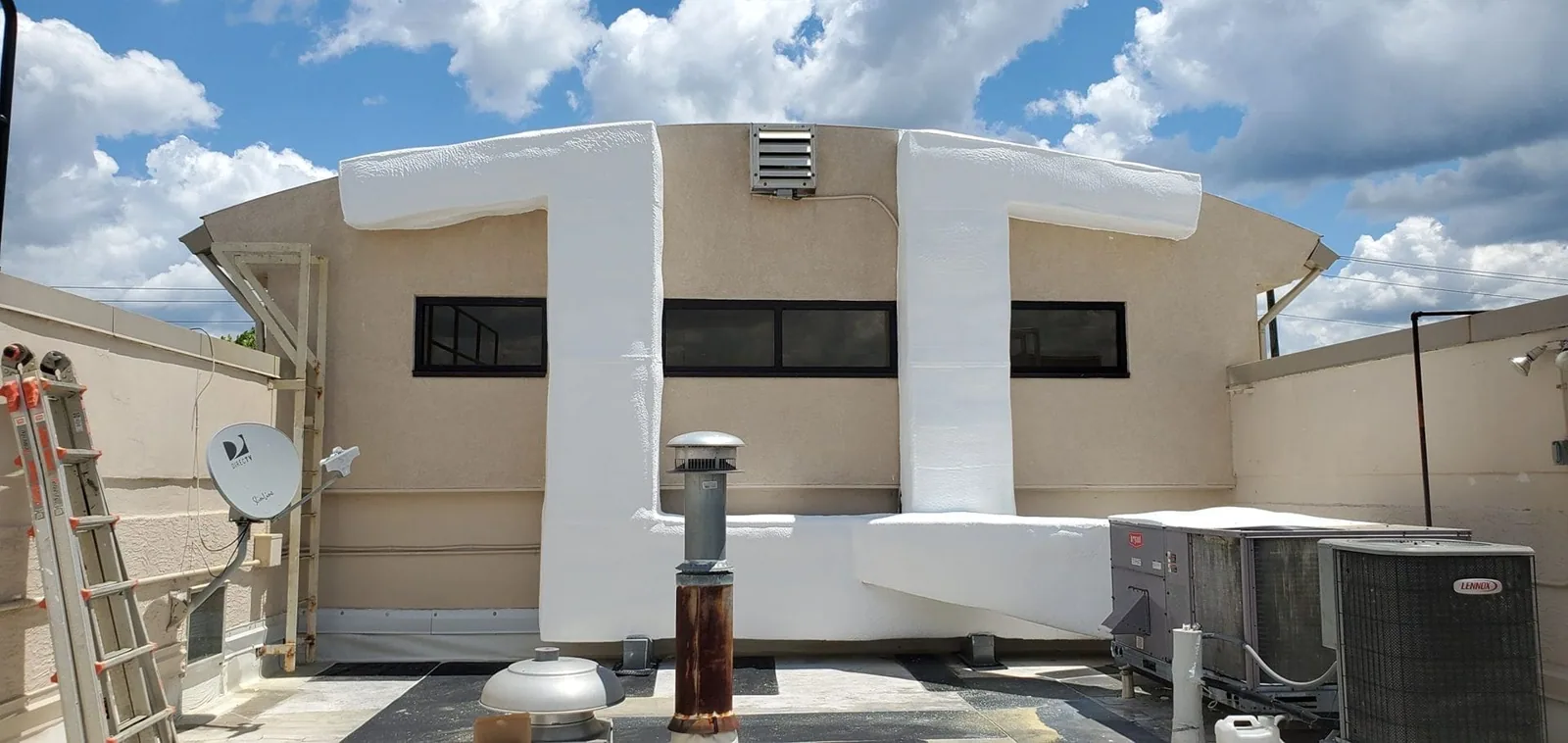
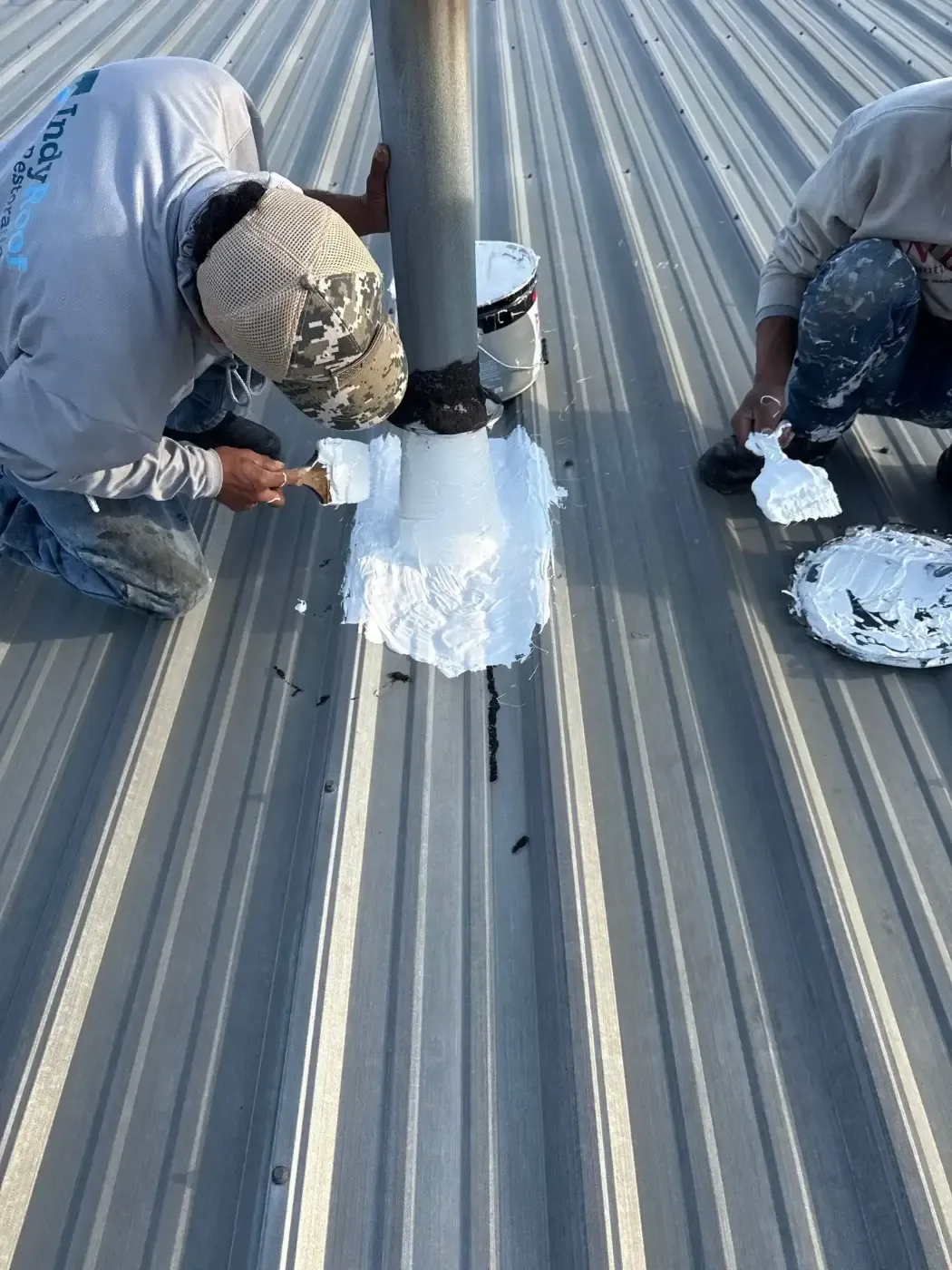
Flashings are the second check. Walls, curbs and parapets take the most movement, and a flashing that was fitted tight in summer can pull in a January cold snap. We press every corner, look for gaps behind termination bars and test the sealant at the top edge. A flashing failure repair that starts with a photograph of the gap lasts longer than a smear of sealant, because the cause is found first.
Match the Attachment Method to Wind and Snow
A single-ply sheet can be fully adhered, mechanically attached or ballasted. Missoula's design basis includes a 102 mph basic wind speed and a 40 psf ground snow load, and the choice of attachment answers both. A fully adhered sheet resists uplift without penetrating the deck. A mechanically attached sheet relies on fastener pattern and plates. A ballasted sheet relies on stone weight, which adds dead load that the framing must carry under snow.
We check the existing attachment and note the perimeter and corner zones, where uplift is highest. If the roof is ballasted, we measure stone depth near edges and drains, since stone shifts and clogs sumps. The 2011 snow collapse at the former Bonner mill is why added load is never treated as free.
Drains complete the check. A single-ply roof sheds water to its sumps, and a sump that holds ice after a thaw can back water behind a seam. We clear each sump before the first freeze, photograph it clear and record how far any ponding line sits from it. Where water stays on the sheet for days, tapered insulation or an added drain goes into the scope, priced as its own line.
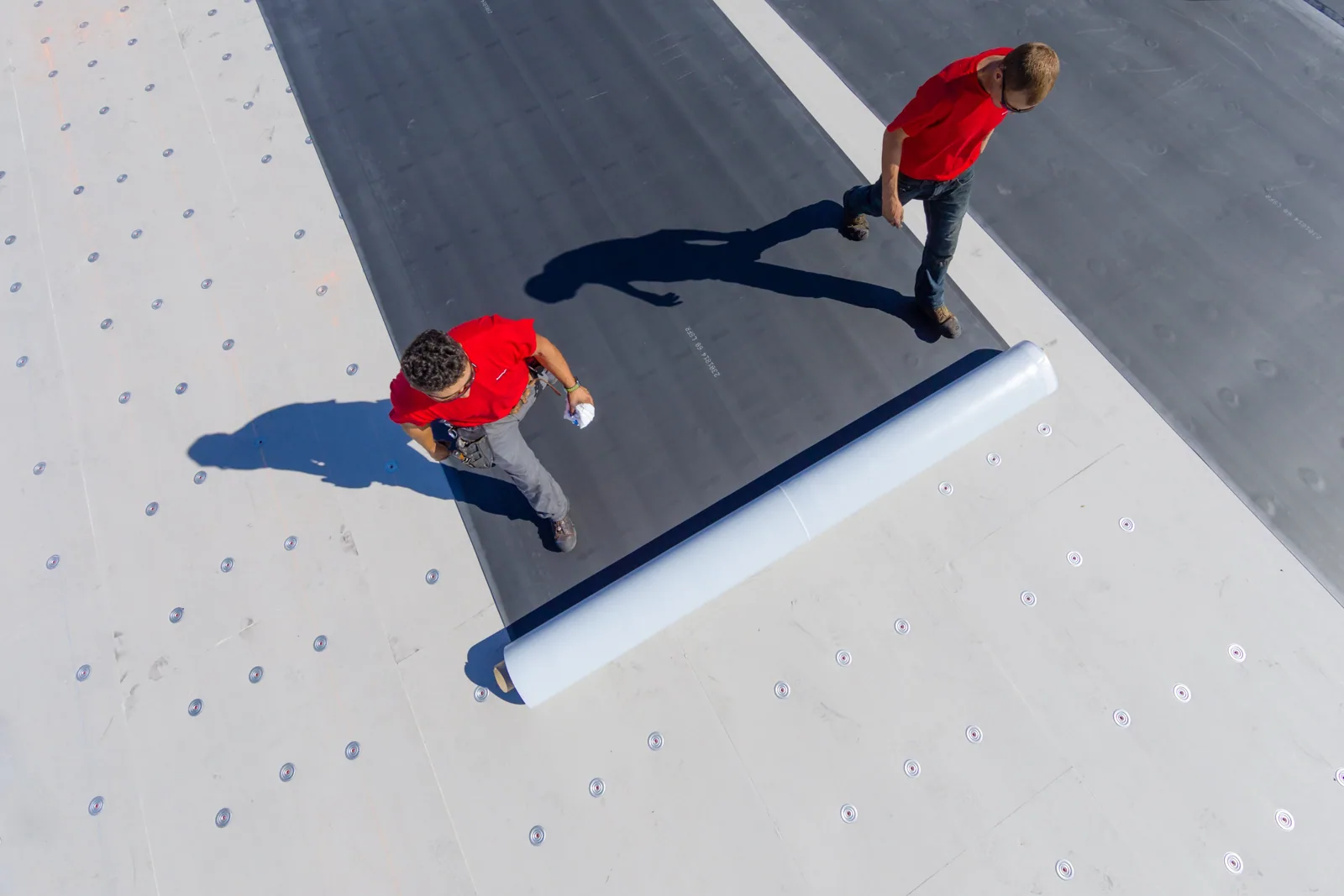
Sequence Tear-Off So the Deck Is Never Left Open
The sequence on a replacement runs from deck repair to insulation, cover board, sheet, flashings and edge metal. Each day's work ends with a dry-in at the tie-ins, because an open edge in a storm does more damage than the original leak. The crane pick, the material hoist and the laydown yard are placed so tenant access stays open.
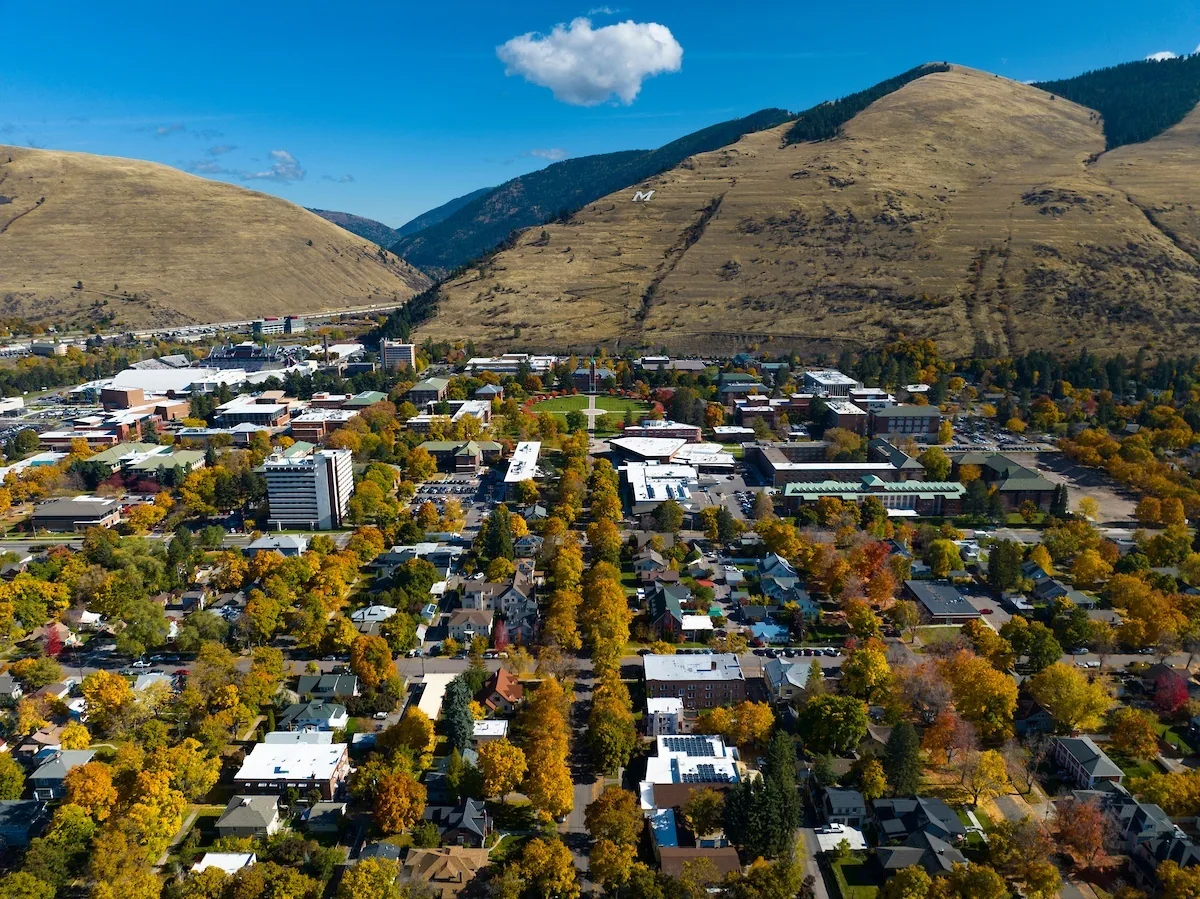
On the University District campus, with 64 buildings on 220 acres, tear-off is phased around term, and loud work is timed away from lecture hours, with residence halls handled during breaks where the schedule allows. On North Reserve Street, a corridor of more than 30,000 vehicles a day, delivery windows keep trucks off the main lanes.
Keep the Records a Warranty Review Will Ask For
Warranty terms are in the documents, and we read them roof by roof. The file holds the installation photographs, the seam probe log, the flashing details, the drain tally and each repair with its date. The roof warranty management record also notes snow removal rules and walkway routes, since tool damage is a common owner-side exclusion.
Our role is to keep the owner's record complete and to repair roofs in line with the written details. Coverage decisions belong to the manufacturer. If notice is required before a repair, we draft it and keep the reply in the file.
Compare Systems on the Assembly, Not the Name
An owner choosing between systems should compare the whole assembly: sheet, attachment, insulation, cover board and details. A TPO roof and an EPDM roof each suit different buildings. TPO reflects heat and welds well, which helps on a roof that reached 107 F in June 2021. EPDM stays flexible in cold and comes in very wide sheets with few field seams.
Makers such as Versico and GAF offer systems in similar categories, and the same comparison applies. We price the options side by side with their install cost, service life and maintenance visits.
Insulation and cover board are part of the comparison too. Missoula follows the 2021 IECC with Montana amendments, so a replacement is the moment to review insulation levels, and a firm cover board protects the sheet from hail. Quarter-size hail reached central and south Missoula in 2016, and a sheet over soft insulation bruises easily. The cover board is a small line that protects a large one.
Related Roofing Pages
Send the Roof Plan and the Warranty Terms
Send the roof plan, the warranty terms if you have them and the occupancy schedule, and we will map the staging area, the seam checks and the weather window before any material is ordered.
Call 555-555-5555 or email [email protected].
Questions About Carlisle SynTec Roofing Systems
Can a TPO repair be made in winter?
Small repairs can be made on dry days when the deck is clear of snow and frost, since welds need a clean, dry surface. Larger repairs wait for the spring window. For a leak in winter, we stop the water with a temporary patch and schedule the permanent weld for the first workable days.
What do fish-mouths on an EPDM roof mean?
A fish-mouth is a small opening at a lap edge where tape has lost its grip or the sheet has shrunk. Water can enter through it. We clean and re-tape the lap, add a cover strip and probe the neighboring laps, since one opening often points to others.
Is a ballasted roof a problem for Missoula snow?
Ballast adds dead load, and drifted snow adds more. The framing has to carry both, and an engineer should confirm it. We record stone depth, check drains for stone and flag any deflection we see. If the structure is marginal, a lighter attachment method is priced.
How long should a new single-ply roof go before the first inspection?
Walk it before the first freeze and again after the final thaw in the first year. Those two visits catch seam and flashing problems while they are short repairs. We add a visit after any hail or high-wind event and file the photographs with the warranty record. The first-year visits also check that walk pads sit where technicians actually walk, because foot traffic wears a sheet faster than weather does.
Do you work on roofs installed by other contractors?
Yes. We identify the assembly by core, read the warranty terms and repair with compatible materials. If the terms limit who may repair the roof, we say so before any work starts, and we help the owner give the manufacturer notice. Either way the repair is photographed before, during and after, and the entry goes into the roof file with the date, the location on the plan and the materials used, so a later reviewer can follow what was done.