
Duro-Last Roofing Systems in Missoula, MT
Duro-Last Roofing Systems
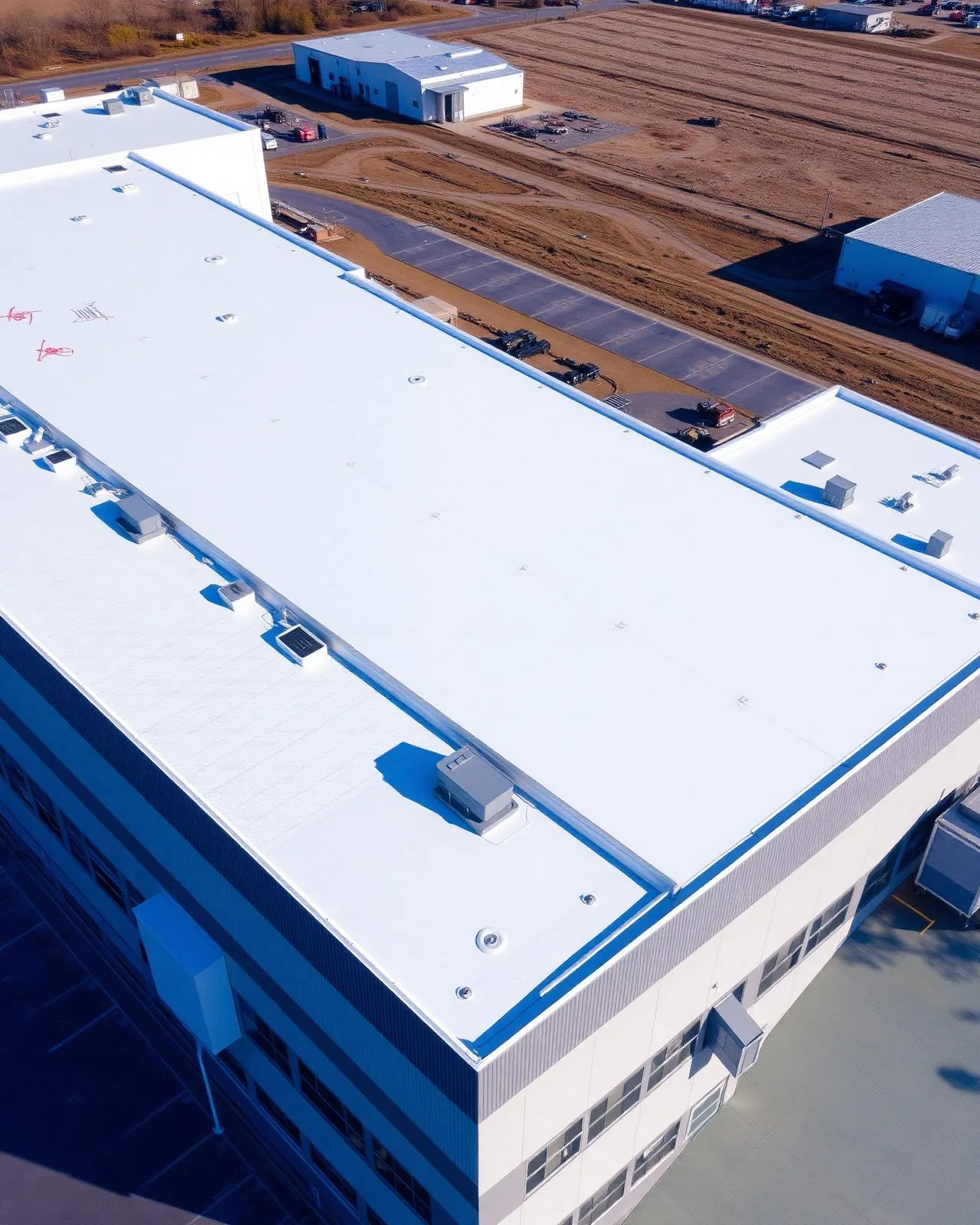
A prefabricated roof is built twice: once in the shop from measurements, and again on the building from the panels. In Missoula, MT the first build decides whether the second fits inside a short weather window. Duro-Last makes custom prefabricated PVC membrane systems, in which panels are cut and welded in a factory to the measured dimensions of the roof, then shipped for installation. We install, repair and maintain roofs of this type, and the work starts with measurement, because a panel made from a wrong dimension cannot be fixed with a roll of material on site.
The same discipline applies to the order of work on the roof. Deck repairs, drainage fixes and insulation come before the panels, because the panels are cut to a surface that must not change. If a drain sump is moved or insulation thickness is added after measuring, the dimensions shift and the panels no longer fit. We freeze the scope before the order and issue changes in writing.
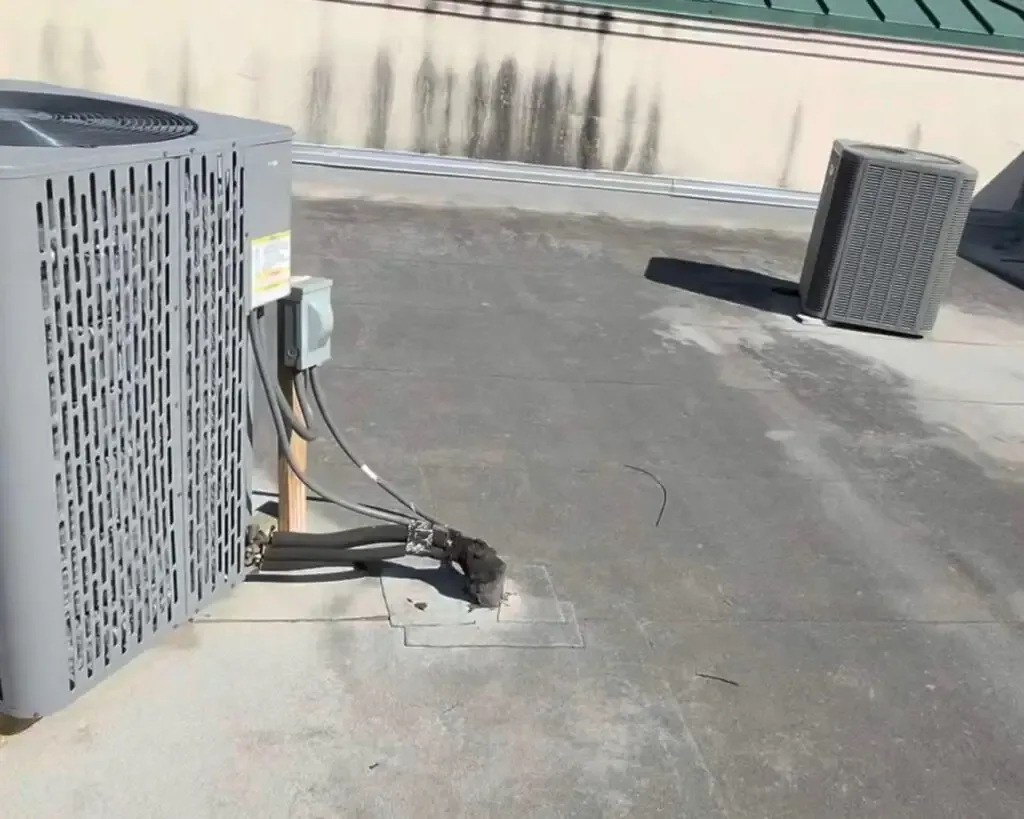
Measure Once and Verify Twice
The sequence begins with a measured roof plan: parapet heights, curb sizes, pipe positions, drain locations and edge lengths. Any error carries into the panel. We measure on the roof, cross-check against drawings and photograph each dimension with a tape in the frame. The measurements go into the file with the date.
Roofs in a snow climate have a complication. Drifts, ice and snow cover can hide details, and a measurement taken in winter may miss a drain or a curb. So we schedule measurement for a clear roof, usually in late spring, and we confirm the order dimensions before the shop cuts anything.
Work Backward From the Shop Lead Time
Prefabrication adds a step between the order and the install. The panels are made after the measurements are approved, and shipping follows. That lead time has to land inside the window from late spring to early fall, because the rest of the year is snow cover and all-day freezes.
So the plan runs backward from the target install month. Measurement and approval come first, then the order, then delivery to the laydown yard, then the crane pick. An owner who approves late in summer should expect the roof to go on the following year. We state that in the plan, with each date, so the owner sees the schedule before committing.
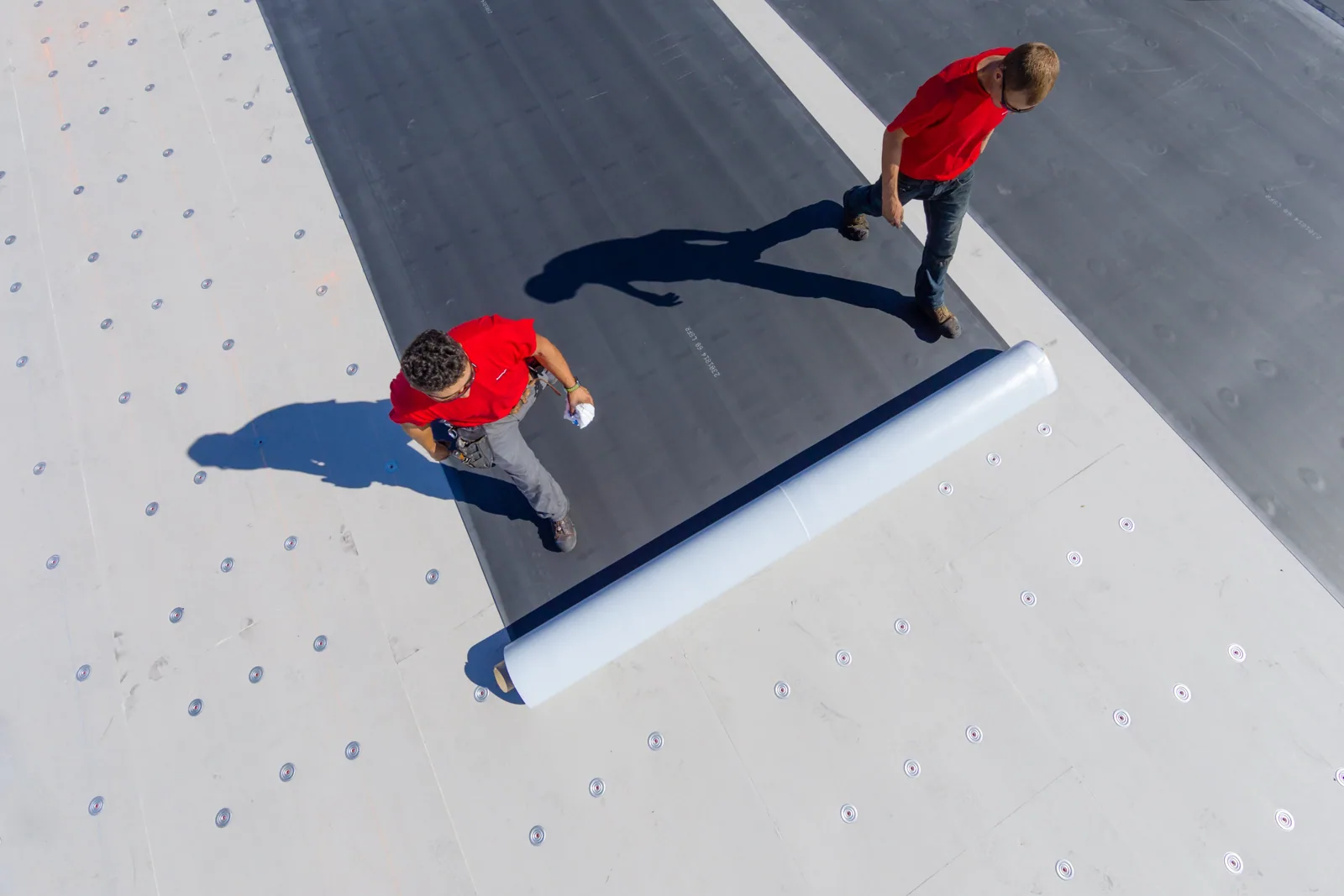
Delivery and staging need the same planning. Panels arrive rolled or folded in large bundles, and a crane pick sets them on the roof in the order they will be unrolled. The laydown yard must hold them dry, and the wind must be low when they are lifted. In Missoula, the design basis includes a 102 mph basic wind speed, and a large sheet is a sail. We check the forecast for each pick and stop if gusts rise.
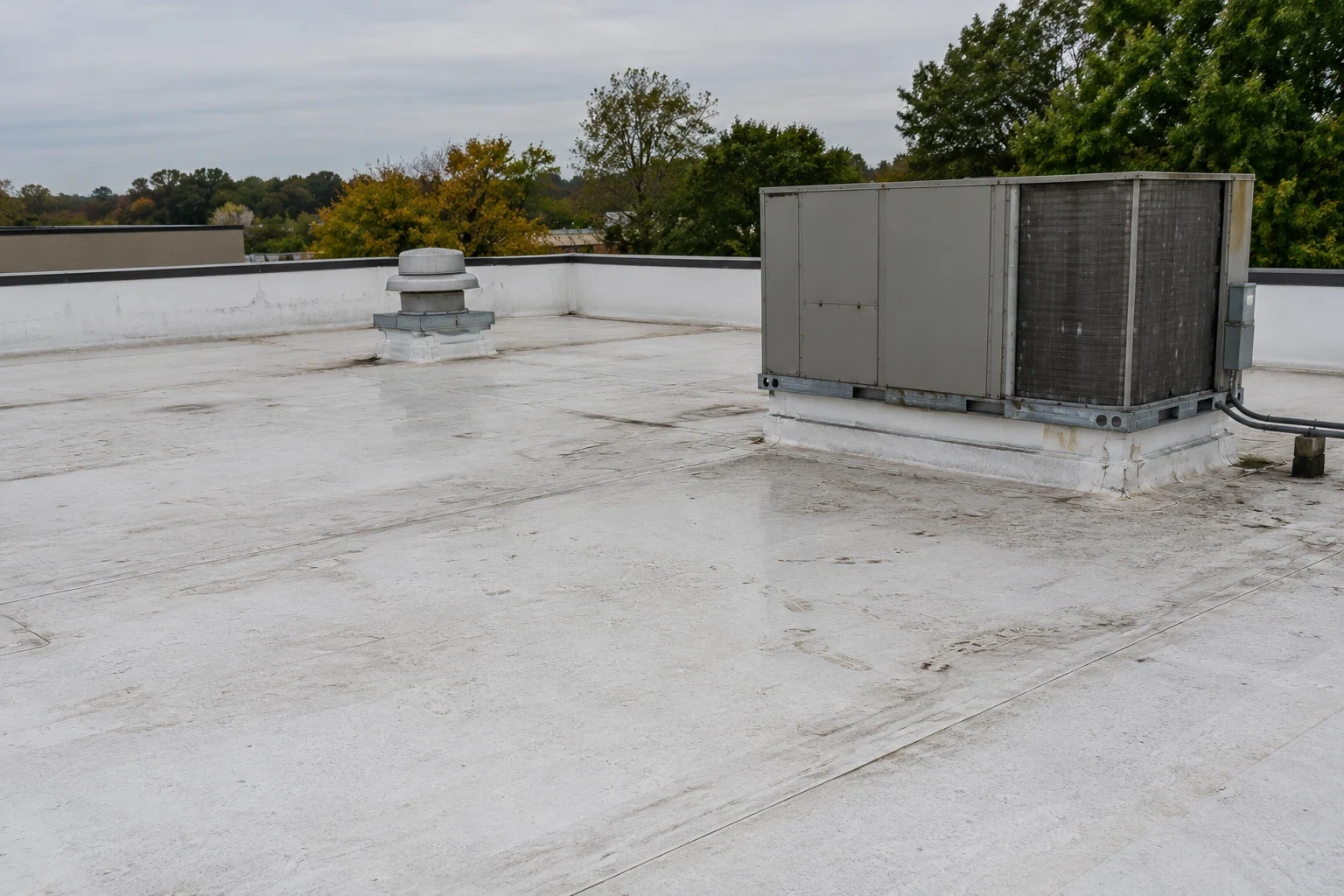
Check the Field Seams and the Details
Shop-welded panels have fewer field seams than a roll roof, because most welding happens in the factory under controlled conditions. The seams that remain are the joins between panels, the perimeter and the flashings at curbs and penetrations. Those are welded on the roof with hot air and tested by hand.
We probe every field seam along its length and photograph any lift. Flashings at curbs, pipe boots and corners get a press test. The file records the position of each seam on the roof plan, so a later repair finds it quickly. A seam failure repair uses a compatible patch welded with hot air and probed after cooling.
Where Prefabricated Panels Fit in Missoula
Plain, mid-sized roofs with many penetrations can suit it. A shop or small office on North Reserve Street or an industrial building in the Missoula development park near the airport could be a candidate once the walk confirms the deck and the details. Because panels arrive formed to the roof, installation can be quick on a day when the weather holds, which helps where the window is short.
We do not assume the system on any building. The walk and the core tell us what is on each roof. Where a prefabricated PVC roof is already in place, we read its history and repair it with compatible parts. Where an owner is choosing, we compare it with field-welded PVC roofing and with Sika Sarnafil and Versico systems on cost, lead time and details, since each maker approaches seams and details differently.
Keep the Measurements and the Warranty Together
The file for a prefabricated roof holds the measured plan, the order approval, the shop panel layout, the installation photographs, the seam probe log and the warranty terms. When a panel must be repaired or replaced, the layout shows which panel it is. The roof warranty management record notes the owner's duties, including snow removal rules, and each repair with its date.
Coverage decisions belong to the manufacturer. Our role is to keep the record complete and to repair in line with the written details. A buyer or lender reading the file sees the roof's measurements, age and history in one place.
Load and drainage stay in the file too. Added insulation or equipment is checked against the framing, since roof loads start from the 40 psf ground snow load. Near the University of Montana, with 64 buildings on 220 acres, and at the Wye business park along I-90, roofs differ in age and use, and each gets its own entry. A drain and scupper tally with photographs completes the record. Panel layout sheets are kept beside the measured plan, so a damaged panel can be identified by its number and a replacement ordered to the same dimensions.
Related Roofing Pages
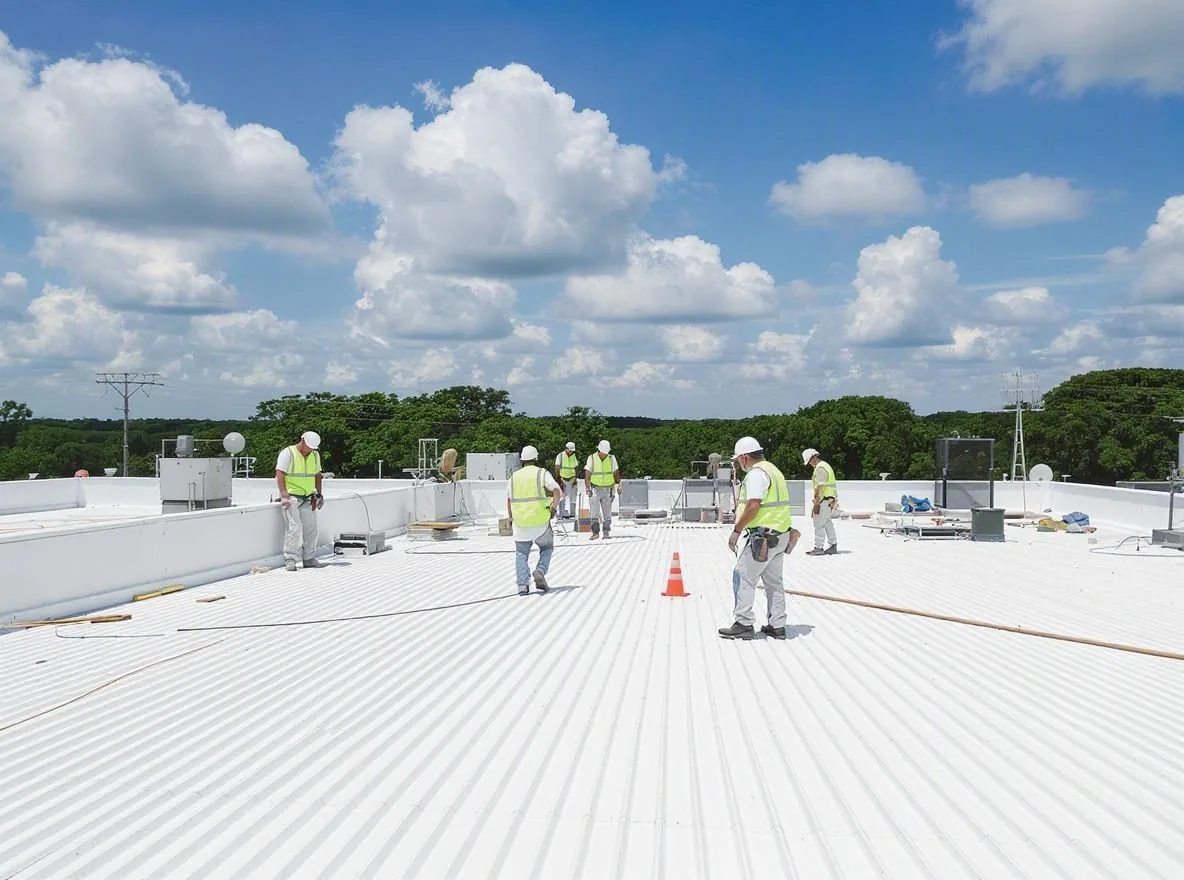
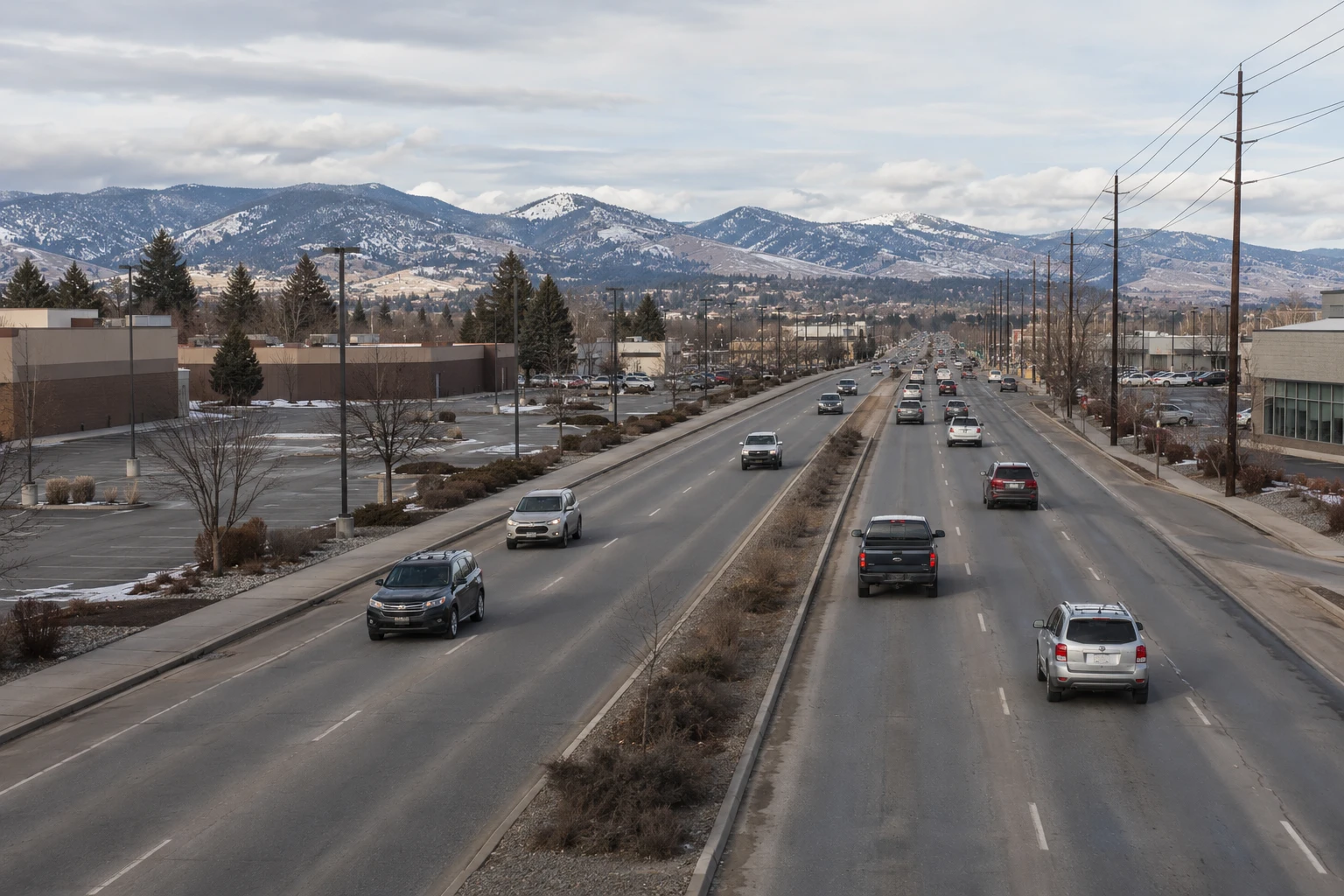
Send the Roof Plan and the Target Install Month
Send the roof plan, the month you want the roof installed and the occupancy schedule, and we will map the measurement date, the order deadline and the crane pick before any panel is ordered.
Call 555-555-5555 or email [email protected].
Questions About Duro-Last Roofing Systems
What happens if a measurement is wrong?
A panel made to a wrong dimension is remade or adjusted, and either costs time. We verify dimensions on the roof, cross-check them and photograph each one before the order. A second check by another person is part of the plan. Errors found before the order cost far less than errors found at delivery.
Can the roof be installed in winter?
Rarely. Welds need a dry, clean surface and moderate temperatures, and snow cover hides details. We plan installation for the warm months and use winter for measurement review, approval and ordering where the roof is accessible. Emergency leaks get a temporary patch in winter, and the permanent repair waits for the first dry, mild days of spring. The patch is photographed and logged so the permanent crew knows exactly where to start.
How do you repair a prefabricated membrane?
We find the seam or flashing that opened, clean the area, weld a compatible patch with hot air and probe it after it cools. The repair is photographed and logged on the roof plan. A seam that opens twice in the same place points to movement or ponding, and we trace that cause.
Is prefabrication a good fit for a roof with many penetrations?
Often yes, because the shop forms boots and flashings to the measured positions. It depends on accurate measurement and a stable roof. We compare it with field-built options, price both and show the owner the lead time and the details each one handles.
How does hail affect this kind of roof?
A sheet over soft insulation bruises under hail, as after the 2016 storm that hit central and south Missoula with quarter-size stones. We mark bruises on the plan and watch them. A cover board adds protection on a new roof, and the damage record supports an insurance review.