
Cool Roof Installation in Missoula, MT
Cool Roof Installation
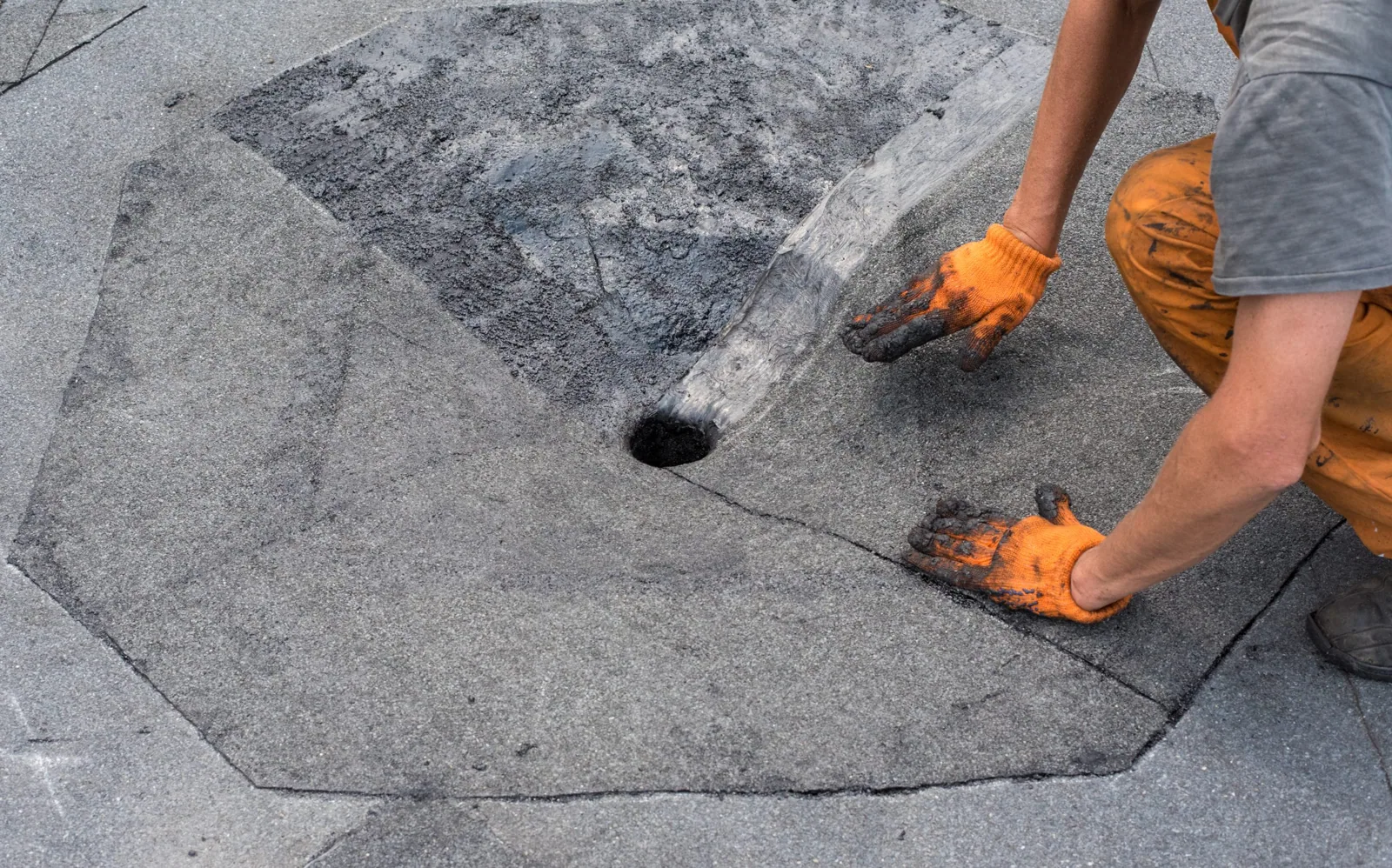
A cool roof earns its keep in summer and gives a little back in winter, so the first step is the arithmetic, not the product. Missoula, MT reached 107 F on June 30, 2021 and sees about 24 days a year at or above 90 F, while snow stays on the ground about 120 days and about 45 days never rise above freezing. A reflective surface cuts the summer heat load on the roof and on the cooling plant, and it reduces the thermal swing that works seams. We run the numbers for the building, then choose between a reflective membrane and a reflective coating over a sound roof.
Start With the Cooling Load, Not the Product
Buildings with large cooling loads gain the most: top-floor spaces under a flat roof, data rooms, kitchens, retail with tall glass. Buildings with little cooling or poor insulation gain less. The cooling plant's age and size tell us whether a lower roof temperature changes anything the owner can measure.
We record the roof surface temperature on a hot afternoon, the equipment capacity and the occupancy hours. That gives a baseline against which later readings are compared. A roof that runs far hotter than the air on a July afternoon is a candidate, and a roof shaded by trees or equipment may not be.
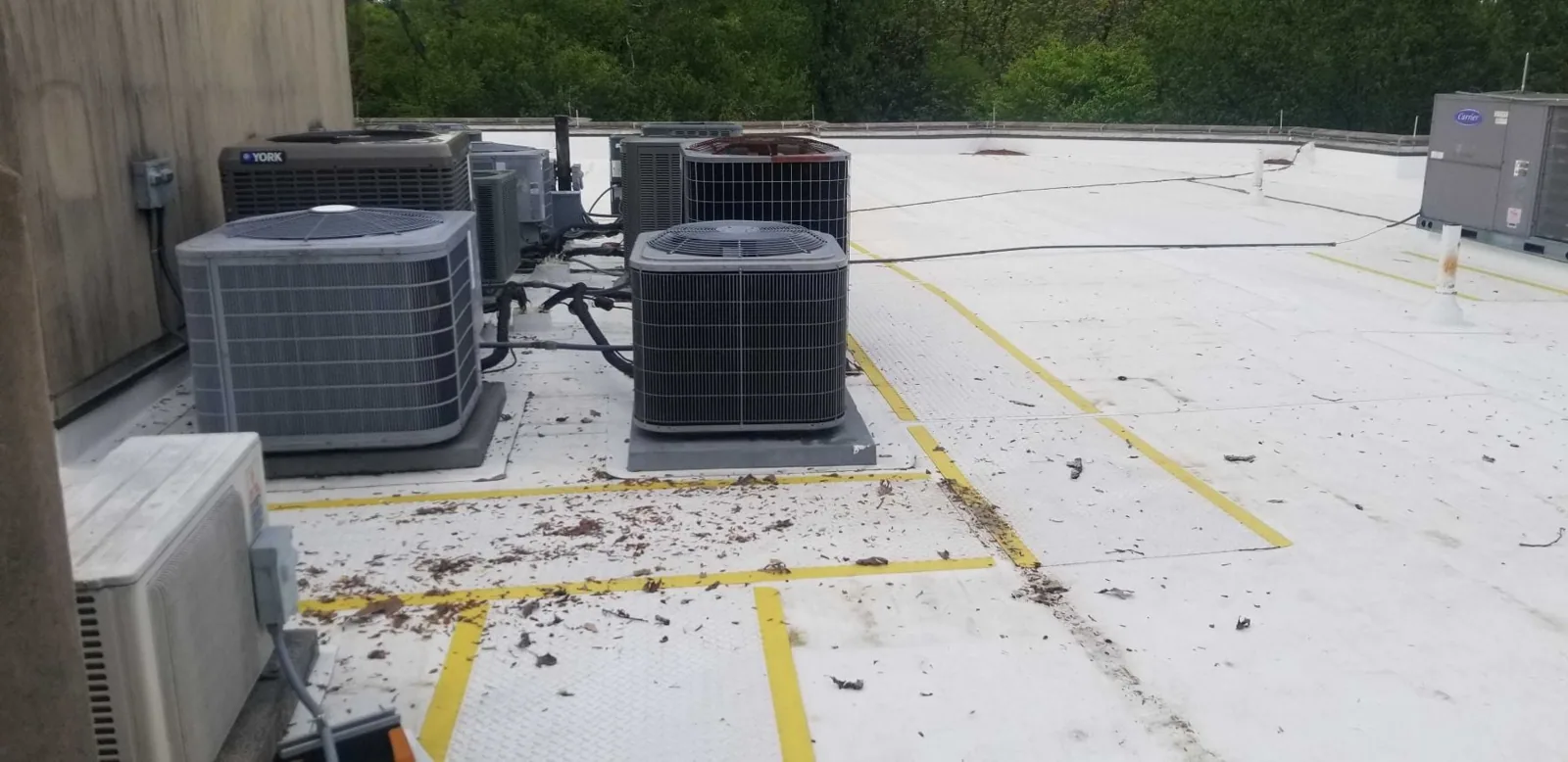
Equipment on the roof matters too. Rooftop air handlers draw outside air across a hot surface, and the intake temperature rises with the roof. A cooler roof lowers the air entering the unit. We note the intake locations and measure the air temperature next to them.
Weigh the Winter Penalty Against the Summer Gain
A reflective roof absorbs less sun in winter, and in a climate with about 39.5 inches of snow a year the lost solar gain is real. Snow also sits longer on a cooler surface. The effect on heating is usually smaller than the summer gain, but the owner should see both numbers.
Insulation changes the balance. A well-insulated roof loses little heat either way, so the surface color matters less. A roof with thin insulation both gains more in summer and loses more in winter. The assembly review comes first, and the insulation and cover board plan may be the better investment.
The net effect is checked against local weather: about 24 days a year at or above 90 F against about 45 days that never rise above freezing and snow cover for about 120 days. A cooling-dominated building such as a hotel or a data room tilts toward reflective, and a heating-dominated warehouse tilts away. We show both numbers to the owner before the decision, and we say which way the evidence points.
Choose a Reflective Membrane for Replacement
A white or light-colored single-ply membrane brings the reflectance with the roof. A TPO roof is the most common choice, and PVC fits where chemicals or grease are present. Seams are heat-welded, and the membrane is fully adhered or mechanically attached for the wind zone. Welds are probed on the day, and the probe results go in the file with the weather and the surface temperature at the time.
Missoula's 102 mph design wind speed and 40 psf snow load set the attachment and the cover board, not the color. We check the reflectance and emittance on the product data sheet and record the initial values. The aged values on the same sheet matter more than the new ones, since the roof spends most of its life aged. Reflectance falls as dirt collects, so the maintenance plan includes cleaning. A maintenance program washes the surface once a year and logs the reading.
Restore With a Reflective Coating Where the Roof Is Sound
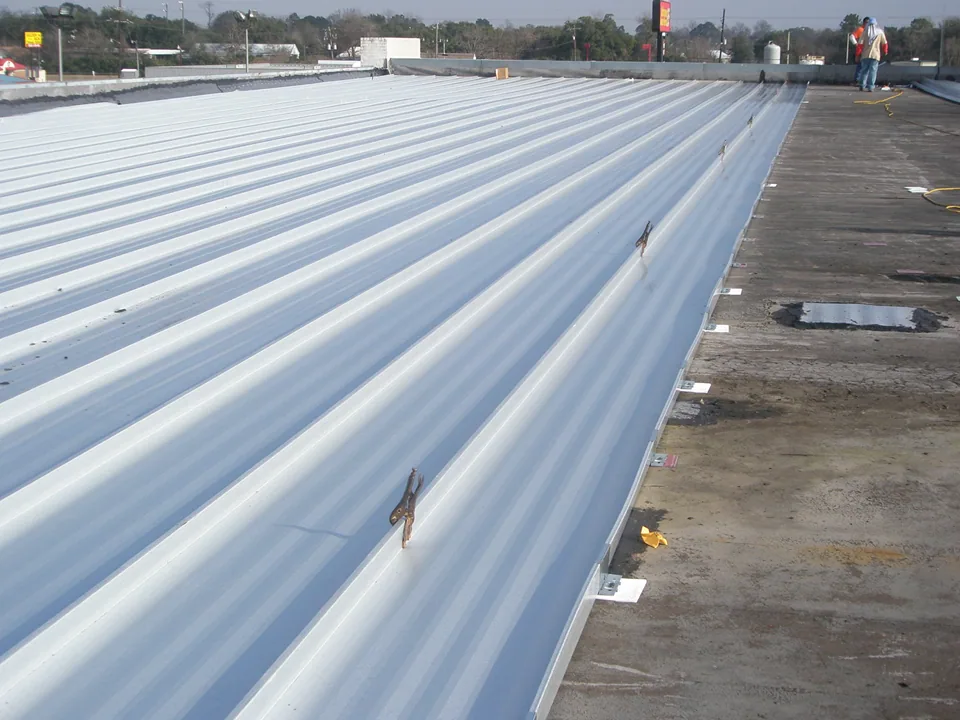
A coating can make an older roof cool without a tear-off. It needs a dry roof and a clean surface, so the coating restoration sequence applies: moisture survey, repairs, cleaning, primer, coating. An acrylic coating is common for reflectance, and silicone resists ponding.
Film thickness decides the reflectance and the life. We measure it during application, and we take reflectance readings after cure. Film thickness is checked at set points across the roof, and any thin area gets another coat before the crew moves on. The cure window in Missoula is short, so the coating goes on in the warm months and the winter holds only inspections.
Tenant access is simple on a coating job. Rooftop access is limited to the crew, the work area is cordoned off, and overspray is controlled with wind limits. Intakes near the work are covered, and tenants are told the days and the hours.
Check the Code and the Utility Incentive
Montana's statewide energy code is the 2021 IECC with Montana amendments, in effect since June 10, 2022. The code sets insulation and may address roof reflectance for certain replacements, so the building department confirms the path. Cool-roof rules differ by jurisdiction and building type.
Some utilities offer incentives for reflective roofs or insulation upgrades. We ask the owner's utility before the bid is final, because an incentive can require pre-approval. The paperwork goes in the closeout folder with the product data and the reflectance readings.
Place Cool Roofs Where They Pay in Missoula
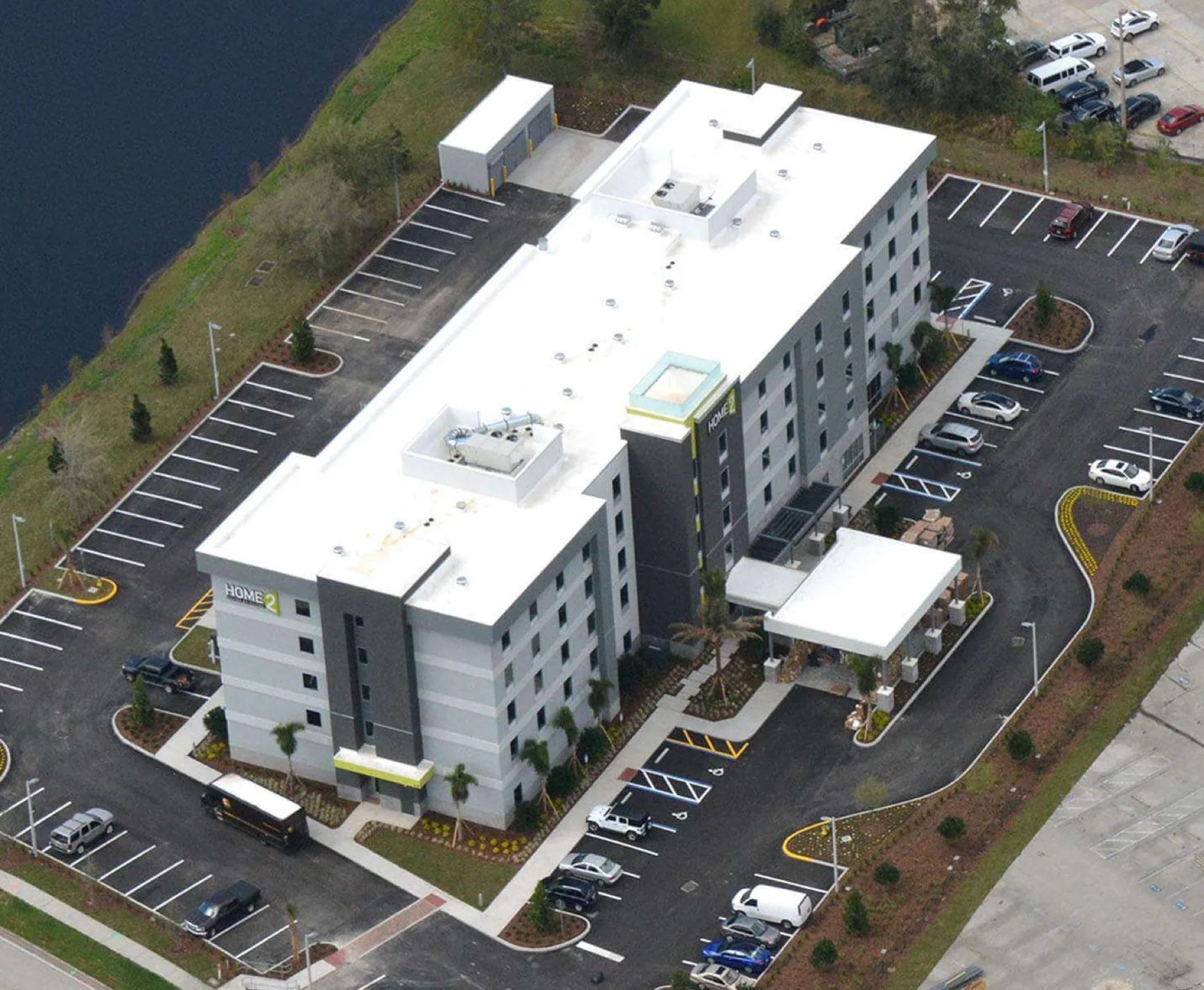
Large flat roofs over occupied, cooled space pay best. Hotels and big-box stores on North Reserve Street are an example of the type, with Costco, Lowe's and Walmart as the large stores and three hotels nearby. Airport buildings in the Missoula Airport area and large campus roofs at the University of Montana are others.
Each building gets its own check. A roof that is shaded, steeply sloped or lightly cooled may not justify the change. The proposal states the expected benefit as a range, with the assumptions, and the reflectance readings let the owner test the claim afterward.
Hospitals add their own rules. St. Patrick Hospital, the region's only Level II trauma center, and Community Medical Center are hospitals where roof work follows infection-control rules and strict shutdown windows. A cool roof there is chosen on cooling load and on the quiet of the work. A cool-roof job gets a laydown yard sized for a day's membrane or coating and a weather window checked against the data sheet.
Related Roofing Pages
Send the Cooling Load and the Roof Section
Send the roof plan, the roof section if you have one and last summer's cooling data, and we will take surface readings on the next hot afternoon. The first report compares a cool roof with the current surface.
Call 555-555-5555 or email [email protected].
Questions About Cool Roof Installation
How much will a cool roof lower my cooling bill?
The savings depend on insulation, cooling load, occupancy and weather. We give a range with assumptions and take surface temperature readings so the result can be checked after a summer. The owner compares utility data from a hot summer with the baseline and sees what changed.
Does a cool roof make heating worse in Missoula?
It can, slightly, since the roof absorbs less winter sun. Snow cover already blocks the roof surface for much of the winter, which limits how much sun the roof would have absorbed anyway. The loss is usually smaller than the summer gain, and thick insulation reduces both effects.
How long does the reflectance last?
Reflectance drops as dirt and aging accumulate. Roof dust, bird droppings and mildew all lower the reading between washes. Annual cleaning and inspection slow the decline, and the readings in the file show the trend. A roof that falls below the target can be washed or recoated, and the reading tells which one it needs.
Can any roof be coated white?
Only a sound roof with dry insulation. A moisture survey and a bond test show whether it can take a coating. Roofs that fail the survey need repair or replacement first, and the survey plan marks the areas.
Is a cool roof required by code?
Check with the building department. The 2021 IECC with Montana amendments sets the baseline, and requirements for reflectance may apply to some replacements. We confirm the path before the bid is final and record the answer in the file.