
Manufacturing Plant Roofing in Missoula, MT
Manufacturing Plant Roofing
A plant roof carries what the process sends up through it, so the first step is a list of every stack, vent and duct, with what each one discharges. Heat, vapor, dust and solvents all land on the membrane, and each one decides what the membrane can be. Only then do we plan the work. Lumber was the economic mainstay in Missoula for about 100 years before declining sharply after 2007, and the industrial ground it left behind, including the redeveloped Bonner mill site, is where roof questions of this kind arise. We sort the exposure first, then the schedule.
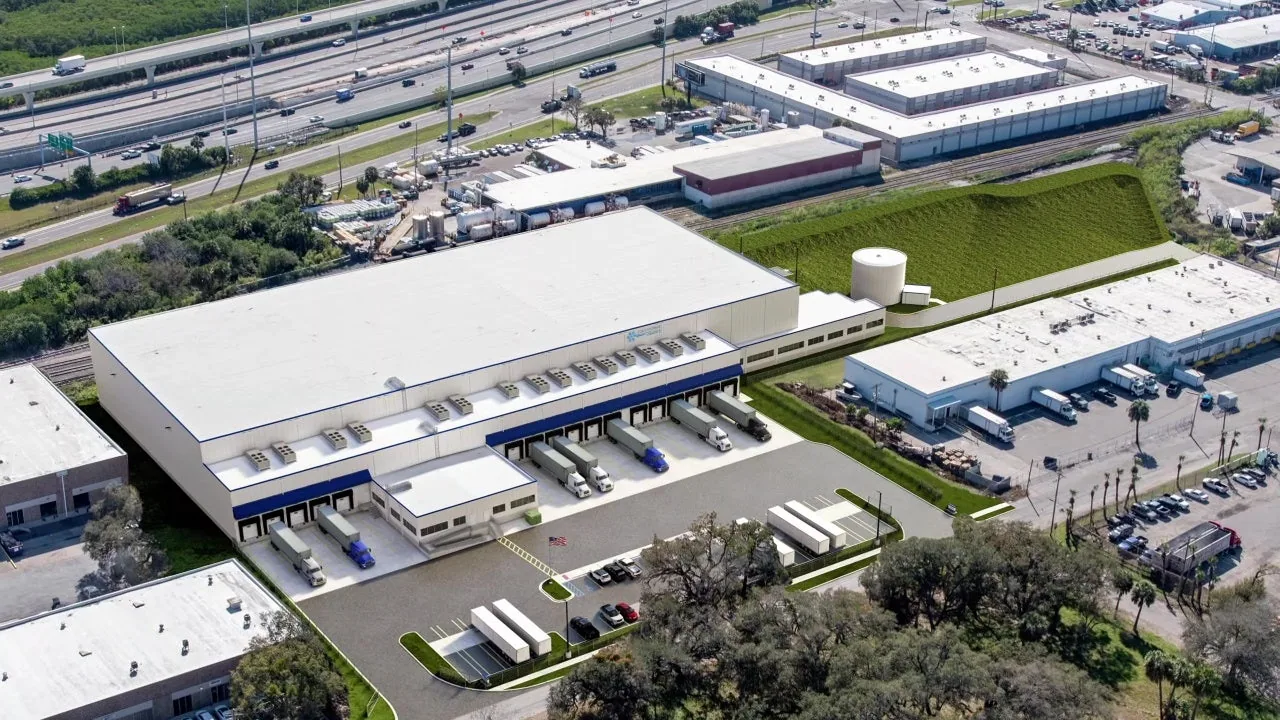
Map the discharge
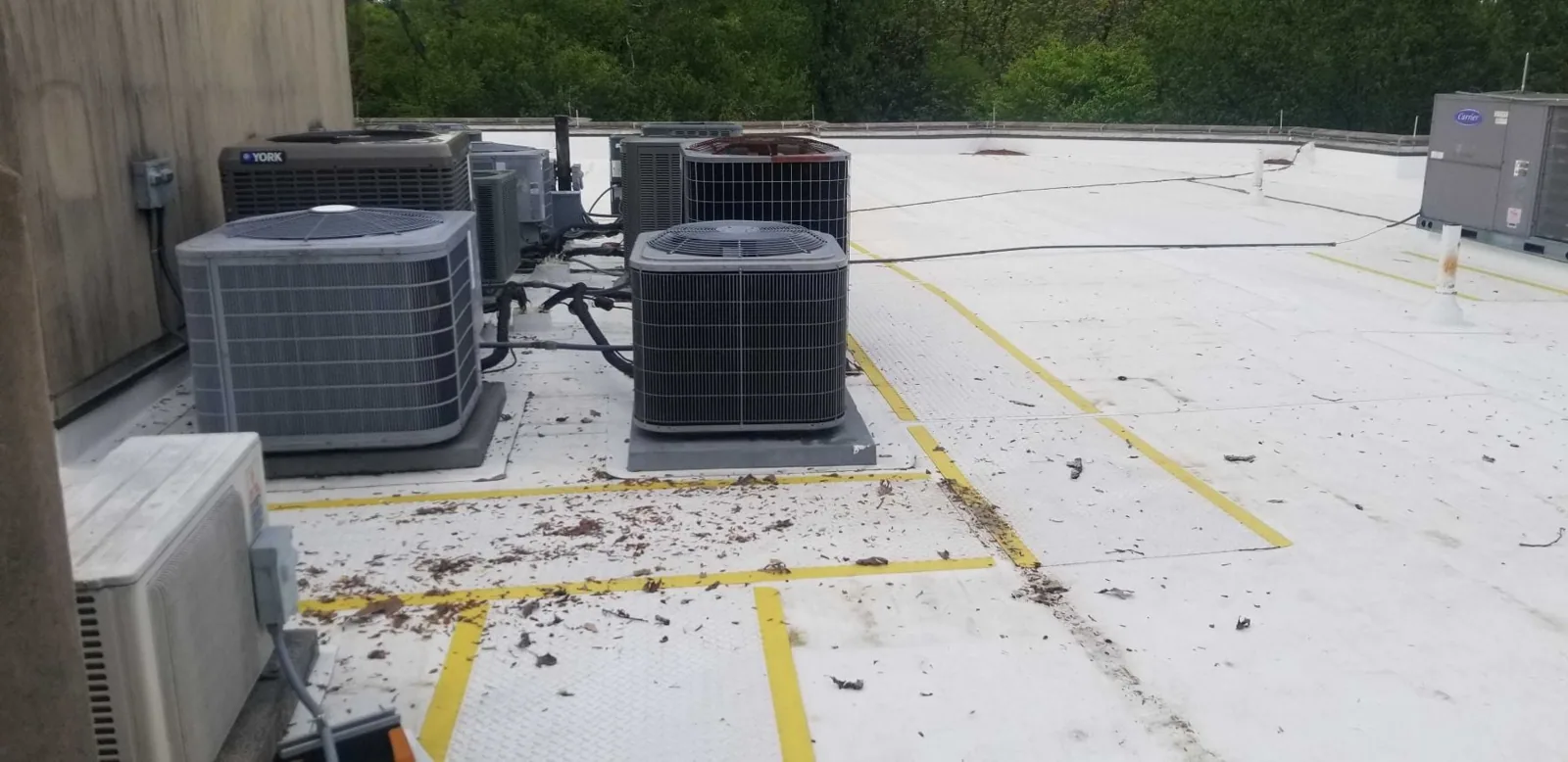
Every penetration gets a tag on the roof plan. A tag names the equipment, the material it exhausts, the temperature, how often it runs and how close it sits to a seam or flashing. A hot stack scorches a membrane within a few feet. A vent that carries oil or solvent vapor softens some sheets. A dust collector's discharge leaves a film that holds moisture against the surface.
The map goes to the plant's safety and maintenance staff for correction. They know what the line runs on a Tuesday and what it ran last year. The result is a document that tells us which part of the roof needs a chemical-resistant sheet, which needs heat shielding and which can take a standard system. Dividing the roof into those zones can save money over specifying the toughest sheet for the whole roof.
Condensate and washdown water are the quiet items. Plants that wash equipment or run steam send water to the roof, and that water carries residue. A drain line aimed at the membrane leaves a stained, softened patch within a season. Rerouting it to a drain or pan costs little. We note each one on the plan and add the fix to the repair list.
Find the damage the process caused
Process damage looks different from weather damage. Softened membrane under a vent. Stained and brittle areas downwind of a stack. Blisters near heat sources. Corroded fasteners and curbs near moist exhaust. Weather damage is spread across the roof, and process damage clusters at the equipment.
Missoula adds its own wear. Freezing holds all day on about 45 days a year and late summer swings can top 30 F, and both work flashings and seams. We probe each seam near equipment, press flashings and photograph the stains. The findings sheet separates process damage, which needs a different material, from weather wear, which needs a repair.
Fasteners and supports corrode where moist exhaust lands. A rusted curb corner lets water into the deck, and the stain shows below on the plant floor, over a machine. Ranking findings by what sits below is the rule: a leak above a control panel or a production line comes before one above a storage aisle. The ranking goes on the findings sheet with photos of each location.

Control hot work and ignition risk
A plant with dust, solvents or flammable material has strict hot-work rules. Torches and welding on the roof need a permit, a fire watch and a check below the work area. In some plants, open flame is not allowed at all, and cold-applied or mechanically attached systems take its place.
We ask for the plant's hot-work procedure before bidding. If it bans flame, we price a heat-welded or adhered system and say so. Where wood dust or fine material collects on the roof, it is cleaned before work begins, since a spark in dust is a fire. The closeout file holds the permits and the watch log.
Check the load path
Heavy equipment sits on plant roofs: fans, collectors, ducts, supports. Snow piles on top of that. Roof snow loads come from the 40 psf ground load under ASCE 7-16. Drifts build behind equipment. The 2011 snow collapse at the former Bonner mill is the local reminder of what the load can do.
We check the deck against the combined load before adding insulation or a recover. Equipment supports are checked for corrosion and for pads that spread the load. Where a unit has to be lifted for the new roof, the crane plan shows the lift, the disconnect and the reset, and the plant's engineer signs it.
Vibration is the other load. Fans and compressors shake their supports, and the shaking works on curb flashings and fasteners. Vibration pads and flexible connections reduce it. A flashing that sits on a shaking curb needs a flexible detail and regular checks. A shaking curb or support is rebuilt with a flexible flashing and rechecked each season.
Phase the roof around production
A plant that runs three shifts does not stop for a roof. The roof is worked in zones that follow the lines. A zone over a quiet line goes first. A zone over a critical process waits for a planned shutdown, if one exists. Each zone is sealed before the crew leaves.
Staging happens away from truck traffic and shipping docks. The hoist or crane pick is scheduled in a quiet hour. Industrial ground such as Bonner-West Riverside and the Missoula Development Park has its own site rules. The plan marks which line, which door and which loading position is affected on each day, and the plant's operations lead approves it.
Contractor coordination is part of it. The mechanical contractor, the electrician and the roofer all work on the roof at different times, and a single schedule keeps them from stepping on each other. A roof access log shows who was up, when and what they did, so a puncture or a lifted flashing can be traced.
Choose the system for the exposure
For heavy chemical or grease exposure, PVC or KEE membranes are options. For a rugged surface under foot traffic, modified bitumen is another. For lighter exposure, TPO or EPDM cost less. The state energy code sets the insulation level. The owner decides by exposure, budget, fire rules and expected life. A warehouse section of the same plant may take a different system than the production bay, and the plan can split the roof.
Next to a data center, which tolerates no leak at all, a plant has more room for phased repair, but it has process risks a data hall lacks. The decision comes down to what a leak costs and what a shutdown costs. We put both numbers beside the roof price. The staging area, the laydown yard and the material hoist stay off the truck lanes.
Related Roofing Pages
Send the roof plan and the discharge list
Send the roof plan, the production schedule, the hot-work rules and a list of what vents onto the roof, so the phasing and the staging area can be mapped before any material is ordered.
Call 555-555-5555 or email [email protected].
Questions About Manufacturing Plant Roofing
Can we keep the plant running during a reroof?
Usually yes, in phased zones. The plan avoids shutting down lines and places loud or fume-producing work at set times. A critical process may need a planned shutdown for the zone above it.
How do you handle hot stacks?
We keep membrane away from the hottest part of the stack with a metal shield or an extended curb, and we choose materials rated for the temperature. The tag on the roof plan shows each stack's heat.
What if our process changes later?
Update the discharge map. A new line that vents onto the roof can change which membrane is right. We recommend a review whenever equipment is added, and we keep the map in the roof file.
Is a chemical-resistant sheet needed for the whole roof?
Not always. If only a few zones see discharge, those zones can use a resistant sheet or a protective pad, while the rest uses a standard system. The map shows where.
Who approves the crane lifts over production?
The plant's operations and safety leads approve the lift plan. We provide the weights, paths and times, and the plant decides when lifts are safe.