
Big-Box Retail Roofing in Missoula, MT
Big-Box Retail Roofing
On a big-box roof, the perimeter has to be secured before the field is touched, because wind enters at the edge and a store with a half-fastened edge loses its membrane in the first gust. Wind design here starts at 102 mph for a Risk Category II building, and a wide, flat roof gives that wind a long run before it reaches the parapet. Costco, Lowe's and Walmart are the large names in the Reserve Street retail cluster, and big-box roofs of this kind are wide single fields to plan around in Missoula, MT.
We sequence big-box work from the edge inward and from the drains outward. The order protects the store, shortens the open time and keeps the schedule honest about the weather window, which in this climate is short, since snow stays on the ground about 120 days a year. A big-box project has a lot to do inside that window: ordering, delivery, tear-off, dry-in and punch list. Starting the order in winter keeps the dry months for the work itself.

Secure the perimeter first
The first inspection item on any wide roof is the edge. We check the coping, the cleats, the termination bars and the fastener rows nearest the parapet. A single loose cap lets wind get under the membrane, and a membrane that flutters pulls its own fasteners.
On a replacement, the new perimeter is installed to the wind rating before the field membrane is rolled out. On a repair, we reset the edge metal and renew the sealant before anything else. The order matters because the edge is the part of the roof that fails in a storm. A wind damage repair that starts anywhere else leaves the building exposed to the next gust. We also check the field for fastener pull-out. On a mechanically attached sheet, fastener plates along the seams carry the wind load, and a plate that spins or stands proud is backing out. We press along sample rows and log how many we checked. On an adhered sheet, a tap test finds spots where the bond has let go.
Clear the drains and the load path
A large box roof sheds a lot of water to a few drains. A typical winter leaves about 39.5 inches of snow, the ground stays covered roughly four months, and the design snow load is 40 psf. When the thaw comes, every sump has to carry its share, and a drain packed with grit and ice turns that thaw into a pond.
We trace each drain from the high point, clear the sump and check the pipe below. We note ponding lines, which mark where the deck has sagged. Water adds weight, and a roof already carrying snow cannot afford a pond. Storm drains in central and south Missoula were overwhelmed by hail and a 20-minute downpour in 2016. A drain with a clear sump passes that kind of burst; a blocked one does not. The same logic applies to overflow scuppers, which are the safety valve when a drain fails. We confirm each overflow sits at the right height and is not capped by a patch or blocked by a stray board. A roof without a working overflow can fill to the parapet in a single storm.
Work around store hours and trucks
More than 30,000 vehicles a day pass on North Reserve Street, so the stores along it need a clear lot. The staging area for a roof job has to sit where it does not take parking or block deliveries. We map the laydown yard, the material hoist and the crane pick before the first day and share the map with the store manager.
Lifts happen early, before the lot fills. Noise-heavy work is scheduled away from peak hours when a store asks. Each night, the open section is dried in and the roof is left tied down. Delivery trucks and trash pickups keep their usual times, and our crew works around them. The result is a roof job that customers hardly notice. Restricted hours also apply near the Reserve Street hotels and restaurants that share the corridor. Anyone with an interest in the lot gets notice of the dates, and the schedule shows the one or two days when a lift is on site. If a storm moves in, the crew secures the roof and holds the crane.
Protect the equipment and the sales floor
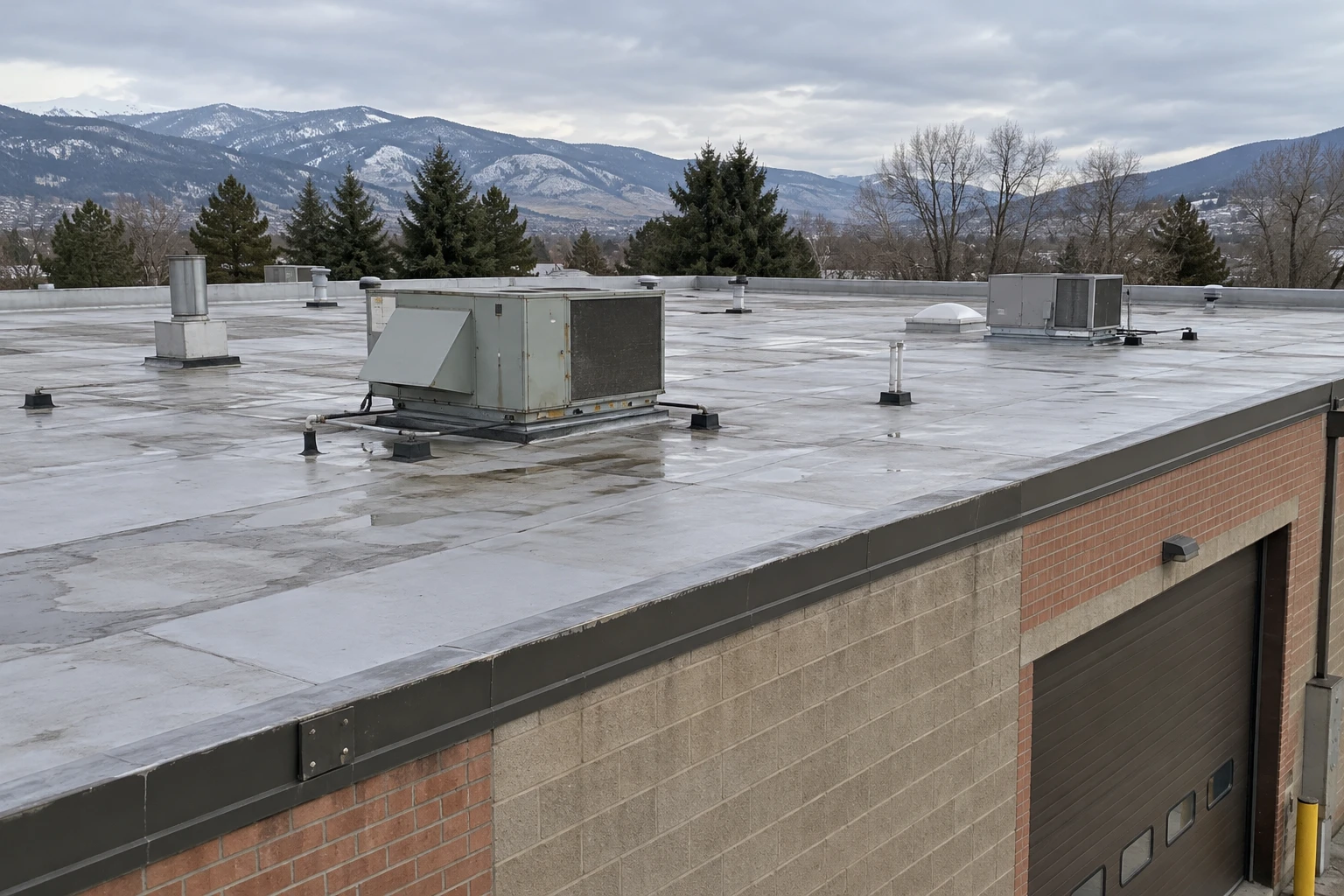
Big-box roofs carry rooftop units, exhaust fans, skylights and, in some stores, refrigeration condensers. Each piece has a curb or a stand, and each curb has a flashing. We check the curbs for settlement and the flashings for cracked sealant. A unit that has shifted opens a gap that a storm cell, or in Missoula a thaw cycle, will find.
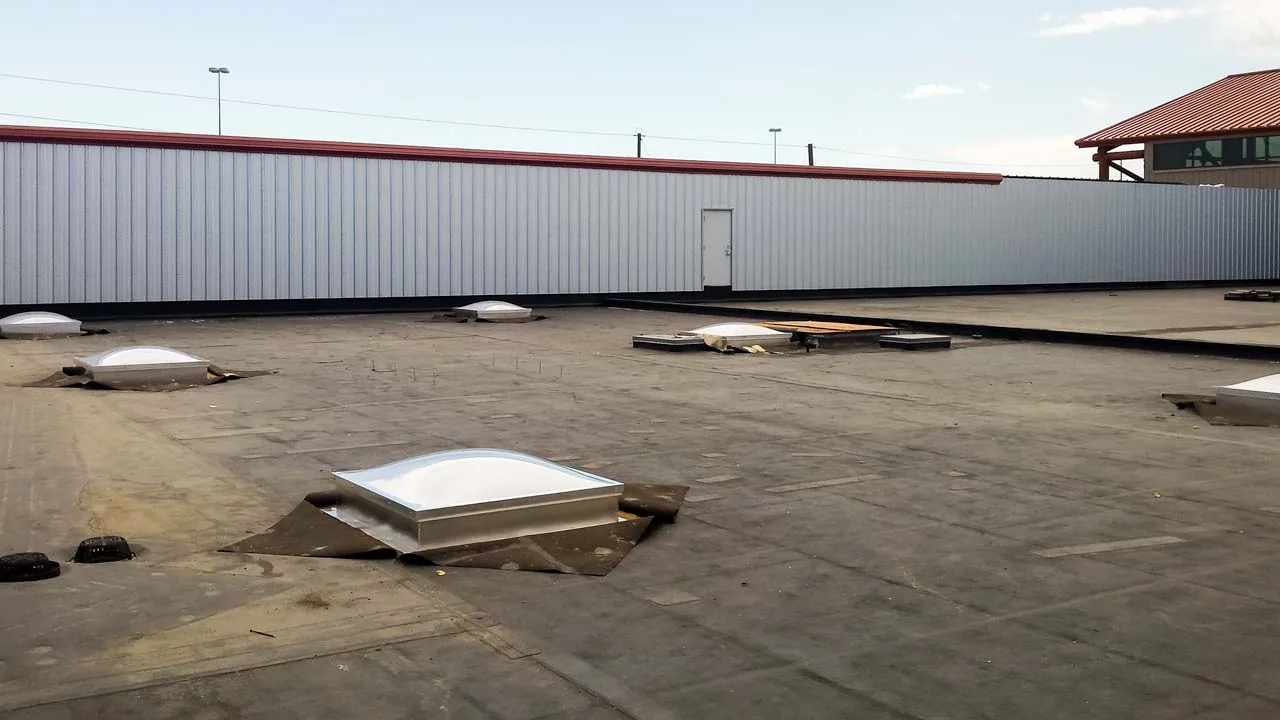
Skylights and roof hatches deserve their own look. The gasket or the glazing seal may fail before the field does. We coordinate with the store's maintenance contractor so no unit is shut down without notice. Where the sales floor sits right below the work, we install interior protection before the section opens. A penetration flashing line on the sheet shows how many details are in play and what each costs.
Choose the system and the scope
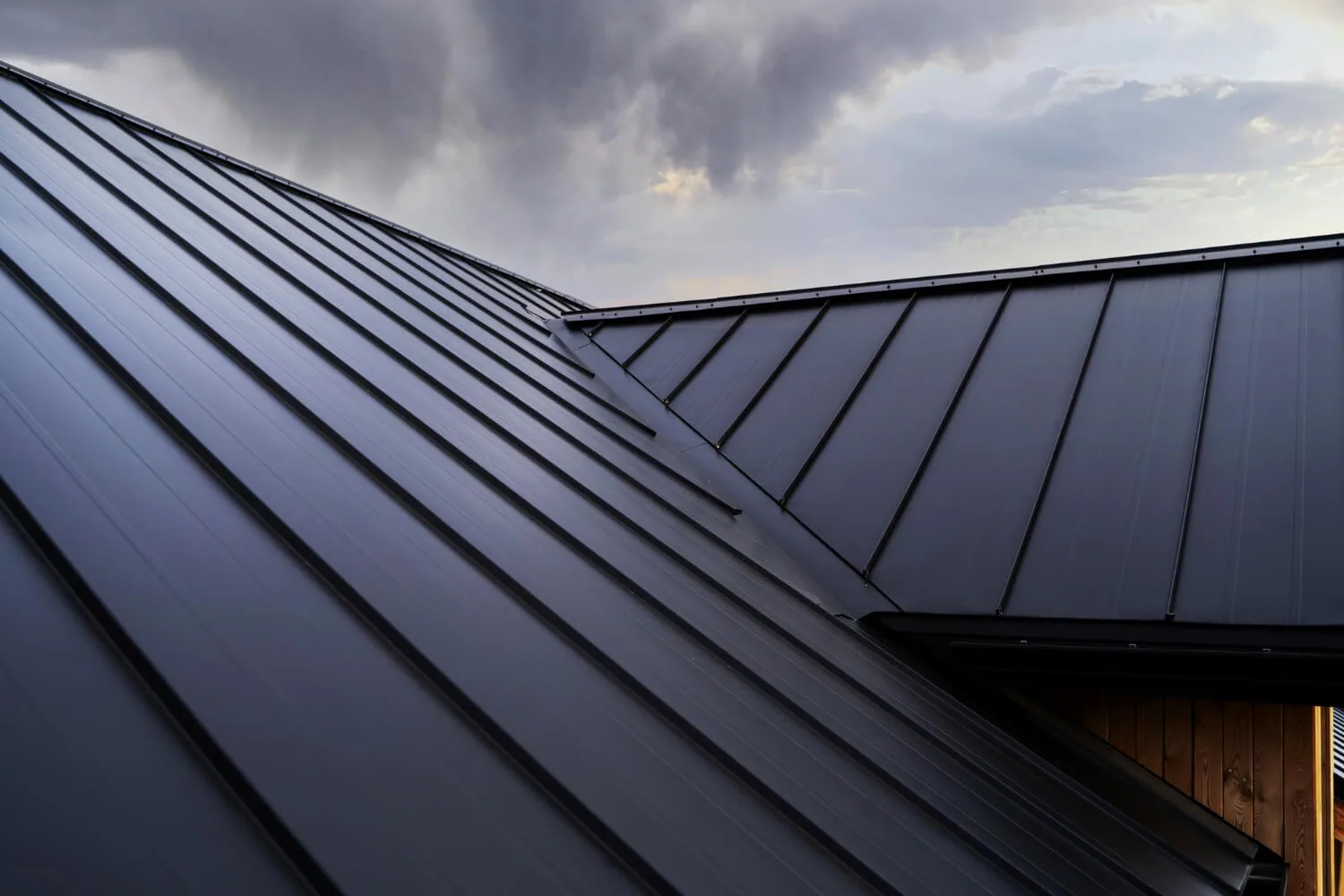
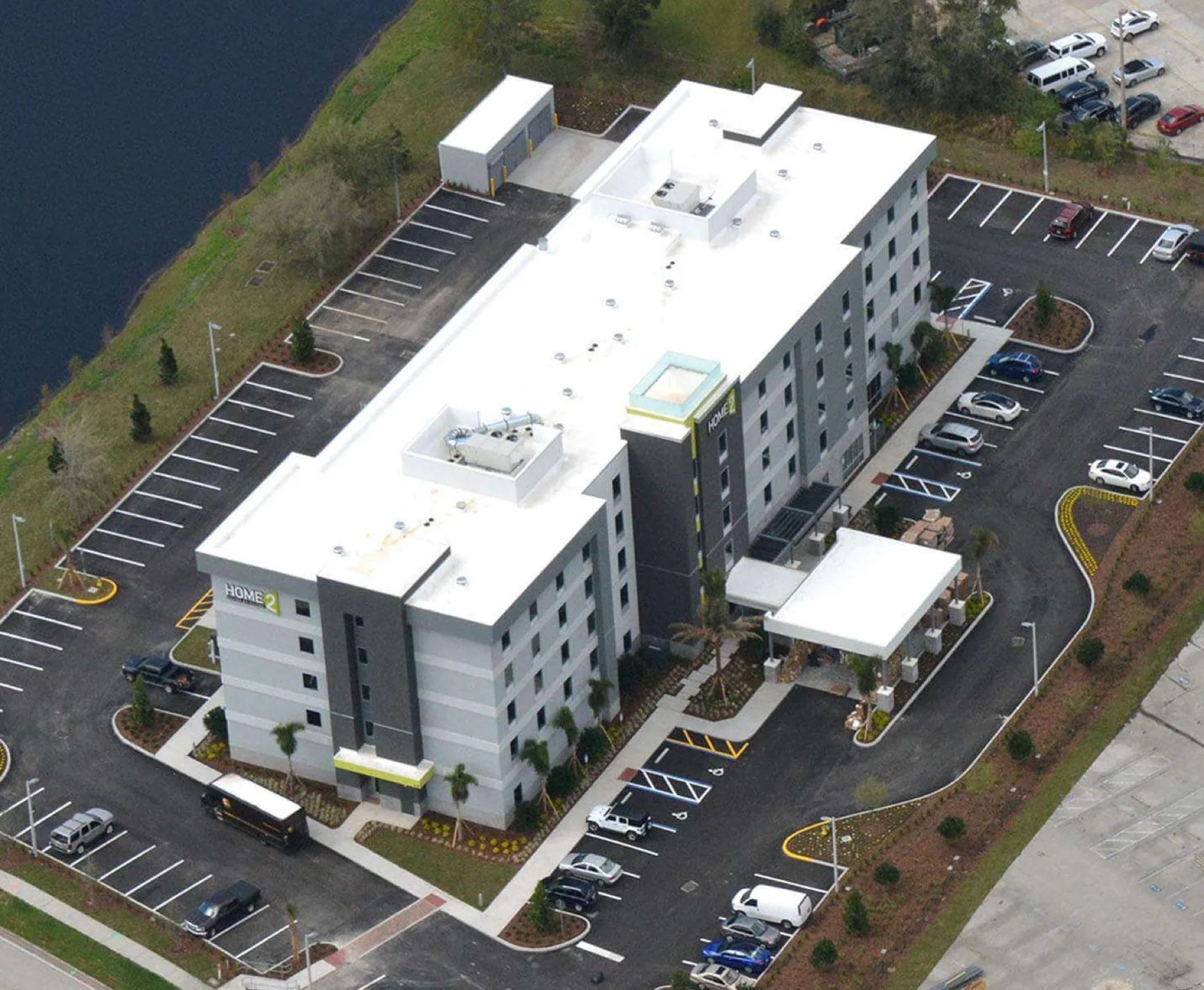
A wide, low-slope field often suits single-ply. TPO reflects sun and welds at the seams. A PVC sheet resists oils and grease where food service shares the roof. For stores with sound layers underneath, a recover overlay may avoid tear-off, but only when core cuts show dry insulation.
Owners with stores in several places can rank them on one list, with a store on North Reserve Street next to one in Brooks Street and Southgate. The file records the system, the attachment and the repair history for each, along with the date of the last core cut, so the next budget year has a known starting point. A grocery tenant adds refrigeration to the same plan, and a grocery store roof carries those condensers.
Close out with a punch list
The last step is a walk with the store manager. We test the drains with water, check every flashing and clear the punch list. The photographs go into the file, along with the date and the next review. A shopping center owner with a big-box tenant can use the same record to show a lender what the roof looked like at handover. The file lists open items with a cost range, so the next budget year starts from a known position.
Related Roofing Pages
Send the roof plan and the store hours
Send the roof plan, the store hours and the access constraints, and we will map the staging area and the crane pick before any material is ordered.
Call 555-555-5555 or email [email protected].
Questions About Big-Box Retail Roofing
Why start at the edge on a big-box roof?
Wind lifts at perimeters first. Securing the edge to the rated spec before rolling out the field keeps a gust from pulling the new membrane loose.
Can a big-box roof be replaced in sections?
Yes. We divide the roof into phases, dry in each before leaving and keep the open area small. The store stays open throughout.
How do you handle rooftop units during the work?
We check the curbs, coordinate with the store's maintenance contractor and set new flashings before the unit is reconnected. No unit is shut down without notice.
What happens if a storm hits mid-project?
Open sections are dried in and tied down at the end of each day. The schedule carries a weather allowance, and a hold appears as a line the owner can see.
What should the store or owner send to start?
The roof plan, store hours, delivery schedules and the access constraints. With those we map the staging area and the crane pick before any material is ordered.